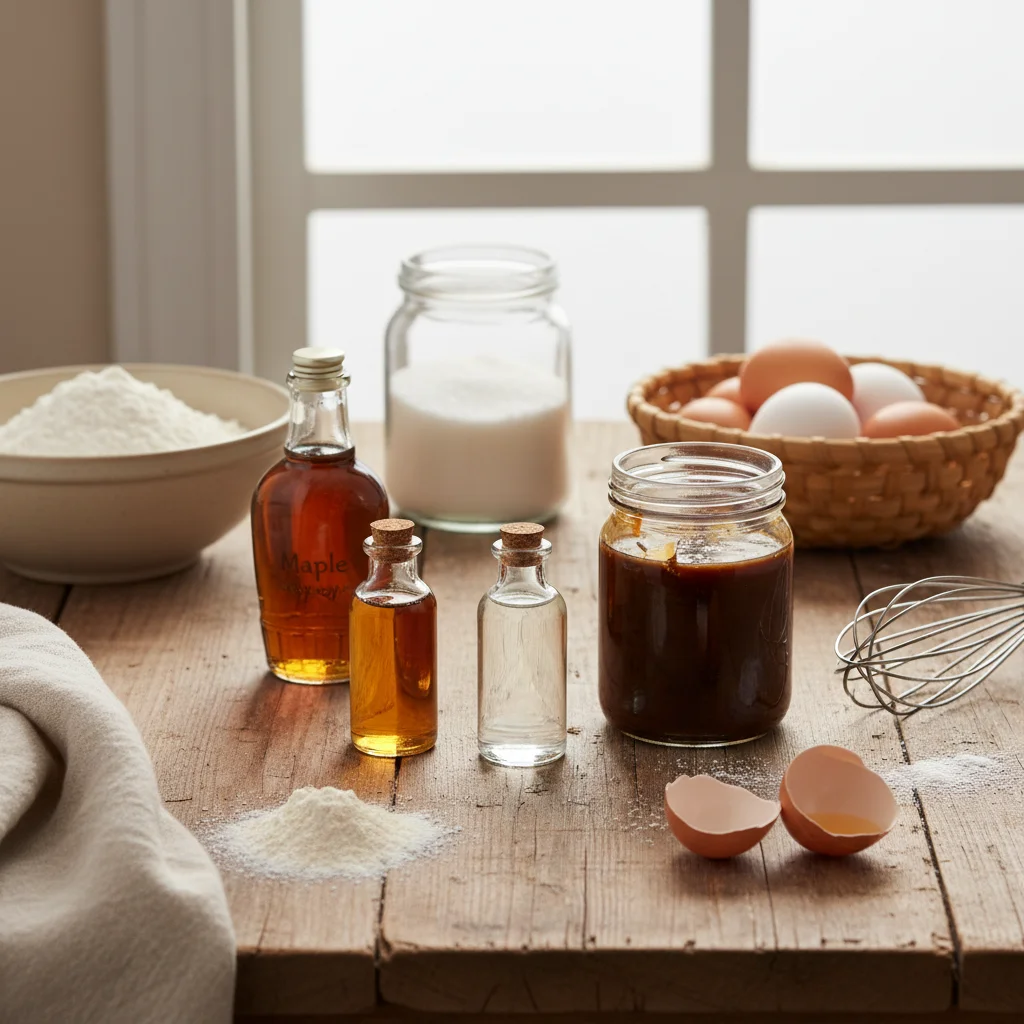
Best Vanilla Extract Substitute for Baking (2026 Guide)
You open your pantry. You grab the small brown bottle. You shake it. Nothing comes out.
You are already halfway through your cookie recipe and now you need a substitute vanilla extract for fast. We get it. This happens to every home baker at least once.
The good news? You probably have something better sitting right there in your kitchen. And in many cases, the substitute you pick will make your baked goods taste just as good. Sometimes even better.
We are talking about excellent options like maple syrup, almond flavoring, vanilla bean paste and even a quick replacement you already use in your everyday cooking.
This guide covers every reliable vanilla extract substitute you can use right now. Whether you need a vanilla extract substitute for baking or cooking, we have you covered. We cover baking, cooking, measurements and even some creative solutions you probably have not thought about.
What is Vanilla Extract Substitute?
Vanilla extract is a concentrated alcohol-based liquid. It is made by soaking cured vanilla pods in concentrated alcohols like ethanol. The result is a sweet aromatic liquid packed with complex flavor compounds.
Those compounds come from real vanilla pods also called cured vanilla pods. The tiny black seeds inside each pod hold intense floral aroma and warm notes. When you add vanilla extract to your recipe, those compounds spread flavor evenly through your dough, batter or cream. Every ingredient in your recipe, from flour and eggs to butter and fats, carries flavor better when vanilla is in the mix.
The Food and Drug Administration, known as the FDA, has strict rules about what can be called pure vanilla extract. According to fda.gov and Flavoring and Extract Labeling Guidelines, real vanilla extract must contain a minimum amount of vanilla bean extractives per gallon of liquid.
Does Vanilla Extract Really Matter in Baking?
This is something a lot of home bakers wonder about. Choosing the right vanilla extract substitute starts with understanding what vanilla actually does.
Vanilla extract is a key baking ingredient, yes. But it plays more of a sensory purpose than a structural one. It does not affect the binding process, the physical structure or the liquid content of your recipe. What it does is add a sweet background note, a warm aroma and a layer of complexity that your palate will notice.
Without it, your baked goods taste a little flat. They taste plain flavor. And the moist texture, softer texture or chewy texture you want from a great cookie or cake can feel like it is missing that final layer of warmth.
Baking science experts at Penn State University and Harvard.edu have studied flavor interactions in baked goods. The research shows that vanilla works mostly as an enhancer. It makes other flavors taste richer. It rounds out the sweetness. It gives moist baked goods that comforting scent you associate with a rustic kitchen counter or a warm oven.
The Best Vanilla Extract Substitute for Baking
what can i substitute for vanilla extract? There is a vanilla extract substitute for every situation, every diet and every recipe type. You have more options than you think. Each one below is a proper substitute and a reliable baking alternative with its own flavor profile.
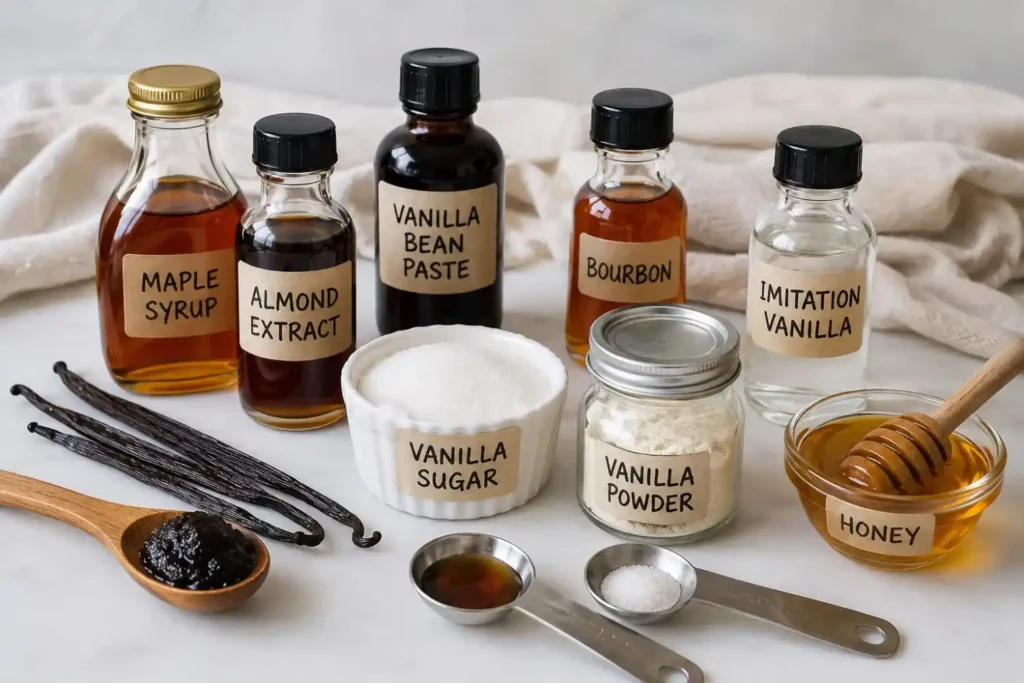
1. Vanilla Bean Paste
This is the closest vanilla extract substitute you can find.
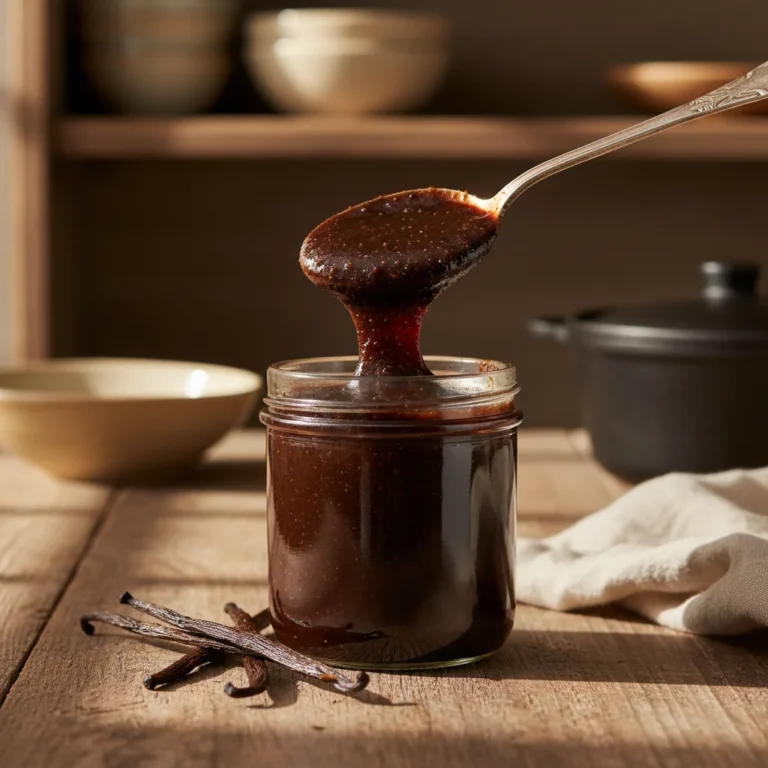
Vanilla bean paste is thick and rich. It contains real vanilla pods ground down into a thick sweet syrup form. You can see the tiny black seeds in it. Which is a visual impact bonus if you are making something like buttercream frosting or a custard.
It adds a gentle floral sweetness and rich flavor. It is the best option for white cakes, pure white frosting and light-colored desserts because it does not change your color much. You can find it at most grocery stores or through online shopping.
If you bake a lot, gourmet vanilla bean paste is a pantry staple worth keeping stocked. Check www.flavorsuggest.co for some great options and pantry guides.
2. Vanilla Powder
Vanilla powder is made from dried and ground real vanilla pods. It has a strong, concentrated flavor. Because it is a dry ingredient, it works really well in recipes where you do not want extra liquid content.
It has a woody flavor profile and a warm aroma. It is great for dry rubs, spice rack blends and powdered dessert mixes. It works well in muffins, breads and cookie recipes where a little extra powder will not hurt the physical state of your dough.
3. Vanilla Sugar
Vanilla sugar is a simple and sweet vanilla extract substitute. It is sugar that has been infused with vanilla flavor from a pod or extract. You can buy it or make it at home by storing a spent vanilla bean pod in a jar of sugar.
Use it as a substitute by replacing some of the sugar in your recipe with vanilla sugar. Since it adds liquid sugar or dry sweetener, you need to be careful about moisture and texture changes.
It gives a sweet depth and a gentle floral note. It works great in sugar cookies, shortbreads and any recipe where the sweetener is a key baking ingredient.
4. Maple Syrup vanilla extract substitute
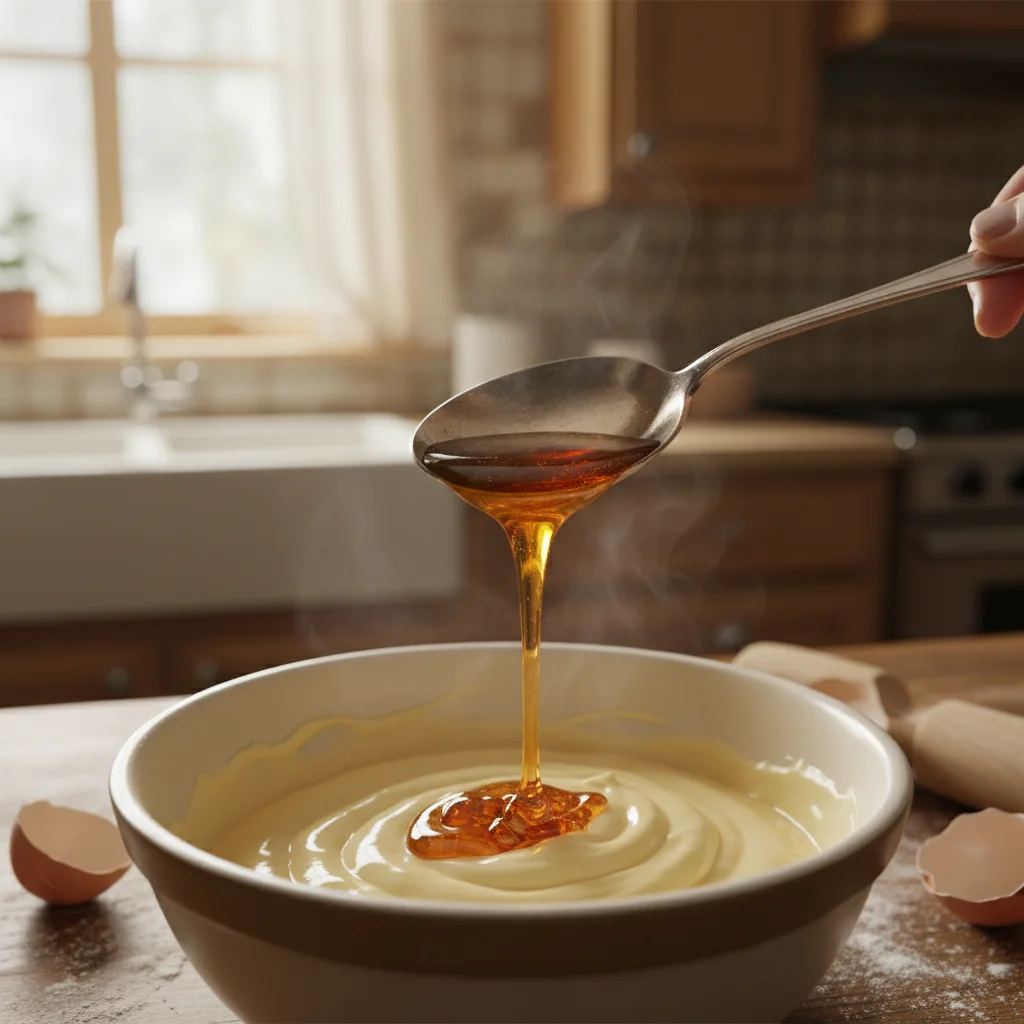
This one surprises a lot of people. Maple syrup is a surprisingly good vanilla extract substitute. Maple syrup as a vanilla substitute actually works really well.
Maple syrup is a versatile liquid sweetener. It has a roasted sweetness with warm notes of wood and caramel. It adds a unique flavor note that works beautifully in breakfast foods like pancakes, waffles and French toast. It also works in muffins, breads and chewy cookies.
Pure organic maple syrup is the best choice here. Avoid the imitation kind because it is mostly light corn syrup and lacks that real depth.
According to consumer data and Home Baking and Pantry Consumption Trends, maple syrup has become one of the most popular vanilla extract substitutes in the United States, especially for vegan baking.
5. Honey
Honey is another alternative liquid that works as a vanilla substitute in baking and cooking.
It has a floral flavor and a sticky sweetness. Depending on the variety, you might also get fruity flavor or earthy note undertones. Raw honey tends to have more character than processed honey. Some darker honeys even carry the scent of toasted nuts and wood, which adds a beautiful background flavor note to your recipe.
Honey does not work well in bright white cakes or pure white frosting because it darkens the color. Stick to dark desserts and chocolate-based recipes where color does not matter.
6. Almond Extract
Almond extract is one of the most popular alternatives among home bakers. It is an alcohol-based flavoring with a concentrated, nutty flavor and intense floral aroma.
Almond extract has a stronger flavor than vanilla. It has a sharper flavor profile. So you do not need much of it..
Premium almond extract works beautifully in cakes, pastries and delicate baked goods. It pairs especially well with fruit tarts and bright cherries. Some people even prefer it in pound cakes and sugar cookies for its aromatic warmth and nutty flavor.
Note:
Almond extract is not safe for people with tree nut allergies. Always check before using it for others.
7. Bourbon
Yes, really. Bourbon is a fantastic vanilla extract substitute. Vanilla and bourbon share many of the same flavor compounds. Bourbon has woody flavor, warm notes and a layer of complexity that mimics vanilla beautifully. It also has a slight smokiness that adds depth to dark desserts and chocolate cakes.
The alcohol in bourbon burns off during baking at high heat, so you will not taste it in your final dessert. What you will taste is a burst of flavor with caramel and wood undertones. It is especially good in brownies, chocolate cake and buttercream.
It is an alcohol-based flavoring just like vanilla extract, so the physical state and liquid content stay consistent.
8. Dark Rum
Dark rum works the same way as bourbon. It is an alcohol-based extract with a rich, slightly fruity flavor and sweet depth.
Like bourbon, the alcohol evaporates at high heat, leaving behind flavor compounds that blend into your recipe naturally.
9. Clear Imitation Vanilla
Clear imitation vanilla is a synthetic vanilla flavoring. It is made from artificial flavor compounds rather than real vanilla pods.
It has a concentrated flavor that is slightly sharper than pure extract. Some bakers say it tastes a little overly sweet or flat in taste compared to real vanilla. But it still works well in most recipes.
The big advantage of clear imitation vanilla is that it will not darken your recipe. It keeps white cakes and pure white frosting looking bright. It is a reliable baking alternative when appearance matters and pure vanilla is not available.
Substitution Ratios
| Substitute | Ratio vs Vanilla Extract | Notes |
|---|---|---|
| Vanilla bean paste | 1 teaspoon = 1 teaspoon | One-to-one replacement |
| Vanilla powder | 0.5 teaspoon = 1 teaspoon | More concentrated, use less |
| Vanilla sugar | ~1 tablespoon per 1 teaspoon | Replace part of recipe sugar |
| Maple syrup | 0.75 teaspoon = 1 teaspoon | Adds moisture and sweetness |
| Honey | 1 teaspoon = 1 teaspoon | Adjust liquid content in recipe |
| Almond extract | 0.5 teaspoon = 1 teaspoon | Strong flavor, use carefully |
| Bourbon or dark rum | 1 teaspoon = 1 teaspoon | Alcohol burns off in baking |
| Clear imitation vanilla | 1 teaspoon = 1 teaspoon | Direct 1:1 replacement |
For large batch baking, just multiply these. The ratios stay the same. Use a teaspoon or spoon to measure carefully. Small differences in concentrated flavors like almond extract can shift your flavor profile significantly.
The Best Non-Vanilla Flavor Alternatives for Baking and Desserts
Sometimes you want something totally different. These options do not taste like vanilla but still add a warm aroma and flavor profile that makes your recipe sing.
Spices That Taste Surprisingly Close to Vanilla
Some spices work as a natural vanilla extract substitute in a pinch.
Cinnamon adds sweet depth and warm notes. Just a pinch in your cookie recipes or cake recipes makes a big difference. Use a small amount because it is a stronger flavor.
Cardamom has an intense floral aroma and a slightly woody flavor profile. It works beautifully in pastries and delicate baked goods.
Nutmeg has a woody flavor and earthy note. It pairs well with dairy-heavy recipes like custard and cheesecake. A small amount over the top also gives your baked goods the background flavor notes that vanilla normally provides.
Peppermint extract is another alcohol-based flavoring that can work as an alternative ingredient in the right recipe. It has a strong, concentrated flavor so use it very sparingly. It works well in chocolate-based recipes where its cool minty notes play nicely with cocoa powder. It is not a direct substitute but it gives your dessert unique flavor notes that your guests will love.
These are all alcohol-based flavorings. You will find them grouped under flavorings or extracts in the baking aisle. They make great alternative ingredient picks when vanilla is out.
Use these from your spice rack in small amounts. A pinch here goes a long way because they can be overpowering ingredients if you add too much.
Espresso or Coffee Extract as a Vanilla Substitute
Espresso adds roasted sweetness and a concentrated flavor that enhances chocolate recipes. It does not taste like vanilla, but it adds the same layer of complexity and warm notes.
Use a small amount. A teaspoon of strong brewed espresso or coffee extract in brownies, chocolate cake or cookies adds that background flavor note that makes people ask what your secret ingredient is.
This one is especially useful in dark desserts. Coffee and chocolate are natural companions. The roasted sweetness of espresso deepens the chocolate flavor interactions in a way that feels familiar and comforting.
Vanilla-Flavored Liqueurs as a Vanilla Extract Substitute
Kahlua and certain bourbons contain vanilla flavor compounds from the aging process. They add a sweet flavor, warm aroma and a layer of complexity that works well in adult-oriented desserts.
Use these the same way you would use bourbon or dark rum. Keep in mind they add liquid sugar and some sweetness, so adjust your sugar accordingly.
How to Choose Vanilla Extract Substitutes for Different Recipes
Different recipes call for different approaches. Here is what works best where.
1. Cookies
For chocolate chip cookies and sugar cookies, the best vanilla extract substitute is maple syrup or bourbon. They add a warm aroma and sweet background notes that you will notice in every bite. Vanilla bean paste is also excellent because those tiny black seeds add a nice visual impact.
2. Cakes and Cupcakes
For white cakes and delicate cakes, the right vanilla extract substitute is clear imitation vanilla or vanilla bean paste to avoid darkening the batter. For pound cakes and chocolate cake, bourbon and dark rum add incredible depth.
3. Brownies and Fudge
Espresso, bourbon or dark rum are your best options here. Dark liquids work well in dark desserts. They boost the flavor interactions between cocoa powder and sugar.
4. Ice Cream and Custard
Vanilla bean paste is the top pick here. The tiny black seeds look beautiful and the rich flavor makes every scoop feel special. Honey is a close second if you want a slightly different but still delicious flavor profile.
5. Cheesecake
Vanilla bean paste and vanilla powder both work beautifully in cheesecake. They blend into the cream cheese mixture without adding too much liquid content.
6. Pancakes, Waffles and French Toast
Maple syrup is the obvious choice here since it is already part of breakfast foods culture. Honey also works well. Both add sweet depth without disrupting the soft texture.
Vanilla Extract Substitutes for Different Dietary Needs
Not everyone can use every vanilla extract substitute. Here is how to pick the right one for your needs.
1. Alcohol-Free Options
If you need a vanilla extract substitute that is completely alcohol-free, skip bourbon, dark rum,and any alcohol-based extracts. Go for vanilla bean paste, vanilla powder, vanilla sugar, maple syrup or honey instead.
These are all great vanilla extract substitutes for kids and alcohol-sensitive diets. They are safe food-safe ingredients with no alcohol content at all.
2. Vegan Baking
Almost all vanilla substitutes work for vegan baking. Maple syrup, vanilla bean paste, vanilla powder and almond extract are all plant-based options.
Check ingredient labels on imitation vanilla products. Some brands add animal-derived additives. Look for recognizable ingredients and no chemical additives on the label.
3. Halal and Kosher Baking
Pure vanilla extract contains alcohol from the fermentation process. This is a concern for some Halal and Kosher bakers. Vanilla powder and vanilla sugar are excellent alcohol-free alternatives. They are widely accepted as Halal and Kosher-friendly ingredients.
The United States Department of Agriculture (USDA) and usda.gov provide guidance on ingredient labeling for Kosher and Halal-certified products. Always check certification labels when safety is a concern.
4. Low-Sugar and Diabetic-Friendly Recipes
Avoid honey, maple syrup and vanilla sugar if you are managing sugar intake. Vanilla powder and vanilla extract made with invert sugars or non-glycemic sweeteners are better picks. Always check ingredient labels and consult with your doctor for diet-specific guidance.
5. Whole30 and Paleo
For Whole30 and paleo baking, pure vanilla extract made without added sweeteners is technically compliant. Vanilla powder with no additives is also approved. Maple syrup and honey are allowed on paleo but not on strict Whole30. Check the latest Whole30 guidelines before deciding.
How to Make Your Own Vanilla Substitutes at Home
You do not need to go shopping. You can make your own vanilla extract substitute right now.
Homemade Vanilla Extract
This is the most satisfying DIY option. Split two or three vanilla bean pods open with a knife. Place them inside an empty brown bottle or small glass jar. Fill it with your choice of concentrated alcohols like vodka or bourbon. Seal the bottle and store it in your cabinet for at least six weeks.
The natural fermentation process draws the flavor compounds out of the pods and into the liquid. Shake the bottle every few days. After six weeks, you have homemade vanilla extract. It keeps for years in your pantry.
This makes a great gift too. And it is far cheaper than premium brands at the grocery store.
Homemade Vanilla Sugar
Place a spent vanilla bean pod into a jar of sugar. Seal it and leave it for two weeks. The sugar will absorb all the sweet aroma and warm notes from the pod. Use this anywhere your recipe calls for both sugar and vanilla.
Do not throw away your used pods. They still have aromatic warmth left in them. Your spice rack deserves them.
Vanilla Powder
Dry your used vanilla bean pods completely in a low oven or just leave them on your counter for a few days. Once they are bone dry, grind them in a spice grinder until they turn into powder. Sift the powder and store it in a small jar on your pantry shelf.
This vanilla powder has a woody flavor profile with a warm aroma. Use it the same way you would use store-bought vanilla powder.
Vanilla-Infused Milk or Cream
Heat milk or cream gently in a small pot. Add a split vanilla bean pod and let it steep for 20 to 30 minutes. Remove the pod and use the infused milk in your recipe.
This works really well for custard, ice cream, cheesecake and delicate cakes. The vanilla flavor infuses beautifully into fats, which helps the flavor spread evenly through your final dessert.
How to Choose the Best Vanilla Extract Substitute (Buying Guide)
If you want to stock your pantry with the best vanilla extract substitute options, here is what to look for.
Vanilla bean paste: Look for products that list vanilla beans as the first ingredient. Premium brands often contain vanilla bean seeds you can actually see. Check for no chemical additives or corn syrup fillers.
Pure vanilla extract: The FDA requires pure vanilla extract to be made from real vanilla pods. Labels that say “pure” must meet Flavoring and Extract Labeling Guidelines. Larger bottles from grocery stores often offer better value per ounce.
Imitation vanilla: Clear imitation vanilla is useful for white frostings. Check the ingredient labels for recognizable ingredients. Avoid products with too many chemical additives.
Almond extract: Go for premium almond extract without artificial colors or fillers. A little goes a long way, so even a small bottle lasts a long time.
You can find every vanilla extract substitute on this list at most grocery stores. For better prices and specialty options, online shopping through sites like Amazon.
Missing Anything in Your Pantry? Here Is What to Stock
Based on food science reports and consumer data from Home Baking and Pantry Consumption Trends, these are the top ingredients home bakers run out of most often:
- Vanilla extract (obviously).
- Almond extract.
- Maple syrup.
- Honey.
- Vanilla bean paste.
Having at least two of these on hand means you will never be stuck without a good vanilla extract substitute again. Think of it as building a better baking pantry.
You can also use a vibrant arrangement of small jars on your counter or spice rack to keep these visible. When you can see them, you will use them. And when you use them, you will become a better cook in your everyday cooking.
Curious where a vanilla extract substitute originally comes from?
Explore Madagascar and Mexico on our Flavor Finder map → https://flavorsuggest.co/flavorfinder/
Sources and references
Food and Drug Administration (fda.gov), United States Department of Agriculture (USDA, usda.gov), Penn State University, Harvard.edu, Flavoring and Extract Labeling Guidelines,
The Science of Baking: Liquid Substitution in Dough Structures, Home Baking and Pantry Consumption Trends (consumer data, 2024, 2025, 2026), Food Science Report.
FAQs – Vanilla Extract Substitute
Can you use a vanilla extract substitute or skip it entirely?
Yes. Your recipe will still work. The binding process, physical structure and texture will not change. But your baked goods will taste a little plain.
What happens if you use too much vanilla extract?
Too much pure vanilla extract gives your baked goods an overpowering, sharp flavor. In high amounts it can even taste slightly bitter because of the concentrated alcohols. It may also affect the liquid content of your batter if you add way too much.
Can vanilla extract go bad and does a vanilla extract substitute last longer?
Pure vanilla extract lasts almost indefinitely because of the concentrated alcohols. But over many years the flavor compounds can weaken. Signs it has gone bad include a very flat taste or loss of sweet aroma.
Is vanilla extract the same as vanilla flavoring?
No. Vanilla flavoring and vanilla extract are different. Vanilla extract is made from real vanilla pods. Vanilla flavoring is an artificial substitute made from synthetic flavor compounds.
Can you use water or milk as a vanilla substitute?
Not really. Water adds no flavor at all. Milk adds very little. They both affect the liquid content without contributing any real flavor profile. You are better off skipping the vanilla entirely than replacing it with water.
By FlavorSuggest | www.flavorsuggest.co