Your go-to guide for finding drink flavors you will actually love. We cover everything from bold red wines to trending cocktail ingredients so your next sip is never a guessing game.
You walk into a shop. There are dozens of bottles staring back at you. You have no idea where to start. Sound familiar? You are not alone. Picking a drink that actually matches your taste is one of those things that feels harder than it should be.
That is exactly why we built www.flavorsuggest.co. We recommend the best drink flavors. This guide covers every major category, from wine to tea to cocktails, so you can find what you love fast.
We are going to walk through the best drink flavors of 2026, rank them by taste profile and tell you which ones are worth your time.

What Are Drink Flavors and Why They Matter
Drink flavors are the combination of taste, aroma and mouthfeel that your palate picks up when you sip something. They are built from natural ingredients, fermentation, aging, spices, herbs and a hundred other variables that come together in your glass.
Your drink flavor preference shapes everything. It tells you what food to pair your wine with. It helps you decide whether to order a fruity cocktail or a bitter one. It even affects how satisfied you feel after a meal. Understanding drink flavors is not about being fancy. It is about knowing yourself better so you spend less money on things you do not enjoy.
At FlavorSuggest, we organize flavors into five broad profiles that cover almost every beverage category:
Most drinks blend two or more of these profiles together. A good Cabernet Sauvignon hits fruity and earthy at the same time. A great mojito balances sweet and sour with a herbal mint note on top. Once you know your base preference, finding your drink becomes much easier. Our FlavorFinder tool can help you to explore more.
Wine Flavors Ranked: Red, White and Sparkling
Wine has a reputation for being complicated. You do not need a sommelier to figure out what you like. You just need a starting point. Here is your shortcut to the most popular wine flavor profiles in 2026 and who each one suits best.
Red Wine Flavor Profiles
Red wines get their character from grape skins, tannins and aging. The tannins give you that dry, slightly grippy feeling on your tongue. The fruit level depends on the grape and the climate where it was grown.
Cabernet Sauvignon
- Dark fruit like blackberry and black cherry.
- Chocolate and cedar from oak aging.
- Best for steak nights and bold food pairings.
Pinot Noir
- Light red fruit like raspberries and cherries.
- Floral and earthy notes.
- Silky tannins that go down easy.
Syrah / Shiraz
- Plum, black cherry and pepper with a smoky edge.
- Australian Shiraz leans fruitier.
Merlot
- Soft plum and chocolate with low tannins.
- The most approachable red.
- Great if you find Cab too dry or grippy.
White Wine Flavor Profiles
White wines are fresher and more aromatic than reds. They lean toward citrus orchard fruit and floral notes. The style depends on whether the wine aged in oak or stainless steel.
White wine drink flavors are your friend if you prefer something refreshing and clean. A good Sauvignon Blanc on a warm evening hits different. It is bright, herbaceous and instantly satisfying.
| Wine | Flavor Notes | Body | Best Pairing |
|---|---|---|---|
| Sauvignon Blanc | Crisp citrus, green apple, fresh herbs | Light | Salads, seafood, goat cheese |
| Chardonnay (oaked) | Butter, vanilla, tropical fruit | Full | Roasted chicken, creamy pasta |
| Chardonnay (unoaked) | Green apple, lemon, mineral | Medium | Oysters, light fish dishes |
| Riesling | Peach, apricot, honey, petrol (aged) | Light | Spicy Asian food, pork |
| Pinot Grigio | Pear, apple blossom, light citrus | Light | Antipasto, light pasta |
Sparkling Wine: When Bubbles Change Everything
Sparkling wines add a whole new dimension to drink flavors. The carbonation amplifies the aromatics and cuts through richness on your palate. Champagne and Prosecco are the big names, but there is a lot more out there to explore.
Champagne gives you toasty brioche notes with sharp citrus and minerality. Prosecco goes sweeter, with peach and cream. Cava from Spain leans drier and more citrusy. If you want something different, a good sparkling Rose brings red berry fruit and elegance without the weight of still wine.
Tea Flavors Guide: Green, Black, Oolong and Herbal
Tea is the most sipped beverage on the planet after water. And the range of drink flavors in the tea world is genuinely staggering. From light and floral to deep and roasted, your tea choice says a lot about what you enjoy.
Green Tea Flavors
Green tea is minimally processed. It keeps a fresh, grassy character that feels clean and light. The Japanese style tends to be vegetal and sweet. Chinese green teas lean more toasty and nutty depending on how they are pan-fired.
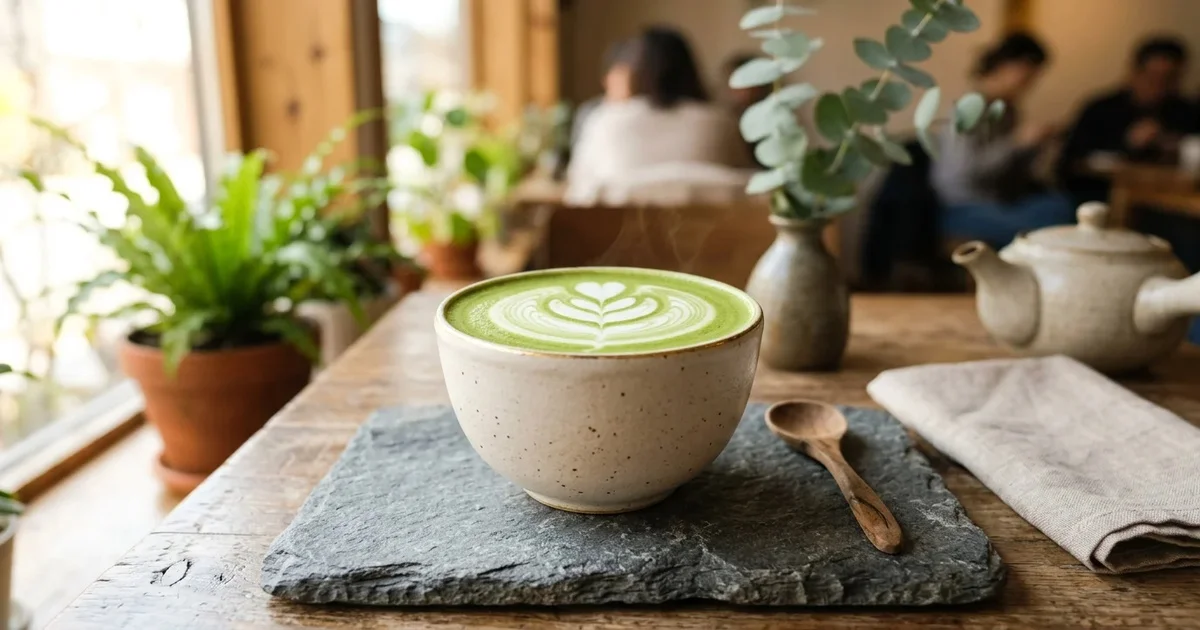
Matcha deserves a mention on its own. It has crossed over from a health niche to a genuine mainstream star. The grassy intensity and vivid green color make it one of the most visually satisfying drink flavors out there. Brewers and coffee shops are using it in lattes, cocktails and cold drinks across the board in 2026.
Black Tea Flavors
Black tea is fully oxidized. That process creates the bold, malty richness the category is known for. It is the tea most people grew up with in the West. But the flavor range inside black tea is wider than most people realize.
| Black Tea Type | Flavor Profile | Caffeine Level | Best Served |
|---|---|---|---|
| Assam | Malty, brisk, slightly earthy | High | With milk and sugar |
| Darjeeling | Floral, muscatel, light fruit | Medium | Plain, no milk |
| Earl Grey | Bergamot citrus, floral, smooth | Medium | Hot or iced with lemon |
| Lapsang Souchong | Smoky, pine, bold | Medium | Plain or with savory food |
| Ceylon | Bright, citrusy, clean | High | Iced or with a squeeze of lime |
Oolong Tea: The In-Between King
Oolong sits between green and black tea. It is partially oxidized, which means you get a flavor spectrum that goes from light and floral to rich and toasty depending on how much oxidation happened. It is genuinely the most diverse tea category when it comes to drink flavors.
A lightly oxidized oolong like Ti Kuan Yin tastes fresh and floral with a honey-like sweetness. A heavily oxidized oolong like Da Hong Pao goes deep and mineral with cocoa notes. Milk Oolong, a popular Taiwanese variety, has a naturally creamy aroma with no dairy involved. It is one of the most surprising drink flavors in the tea world.
Hojicha is getting a lot of love in 2026 too. This roasted Japanese green tea has a nutty, caramel warmth that works beautifully in cocktails and cold brews. Bartenders are calling it one of the most versatile tea-based drink flavors for mixing right now.
Herbal Tea Flavors
Herbal teas are technically not tea since they do not come from the Camellia sinensis plant. But they belong in any honest beverage flavor guide. Chamomile gives you a gentle apple-like sweetness. Peppermint delivers a cool, sharp freshness. Rooibos from South Africa brings a naturally sweet, earthy character with zero caffeine.
Yerba mate is rising fast too. It has a smoky, grassy edge with a natural caffeine kick. If you want something functional that still has a complex drink flavor, yerba mate is worth trying.
Cocktail Flavors Trending in 2026
The cocktail world is moving away from heavy, overly sweet builds. Clean acidity, bold fruit and interesting botanicals are winning right now. Here is what is showing up on every good cocktail menu this year.
Ginger: The Breakout Flavor of 2026
Ginger is everywhere in 2026. It brings natural heat, citrus-forward aromatics and a versatility that works in almost any direction. It adds zip to citrus drinks, depth to spirit-forward classics and brightness to tropical builds. Bartenders love it because it plays well with almost everything.
You will find ginger showing up in Mules, margaritas, whiskey highballs and even tea-based cocktails. It is sharp without being aggressive. Warming without being heavy. It is the ideal supporting flavor that still makes its presence known.
The Swicy and Swavory Wave
2025 brought us sweet and spicy or swicy. 2026 goes further. Now the trend is swavory, which layers sweet, savory and spicy elements into one complex drink flavor. Think spicy strawberry with a salty rim or a tamarind-forward tequila drink with chili heat. These profiles are bold and layered in a way that older cocktails simply were not.
Bitter and Botanical Complexity
Amari, cordials and aperitifs are stealing the spotlight from even gin and rum in some markets. These bittersweet, herbal liqueurs are built on complex botanical recipes that deliver serious flavor without sweetness overload.
An Aperol Spritz is your gateway. But once you move into Campari, Fernet or craft amaro territory, you open up a whole world of drink flavors you did not know you were missing. The bitterness here is intentional and satisfying rather than off-putting.
Tea-Infused Cocktails
Tea as a cocktail ingredient is not new. But the way bartenders are using it in 2026 is more refined than ever. Hojicha in an Old Fashioned adds roasted depth. Cold brew green tea in a highball gives clean, vegetal freshness. Pandan-infused spirits bring floral, vanilla-like layering to tropical builds.
These tea-forward drink flavors bridge the gap between the wellness crowd and the cocktail crowd. You get complexity and nuance without needing a heavy pour of spirits.
| Trending Cocktail Flavor | Key Ingredient | Flavor Profile | Trending Drink Example |
|---|---|---|---|
| Ginger Heat | Fresh ginger or ginger beer | Spicy, citrus, warm | Moscow Mule, Ginger Paloma |
| Hot Honey | Chili-infused honey | Sweet, spicy, floral | Hot Honey Margarita |
| Basil | Fresh basil or basil syrup | Herbal, citrus-forward, bright | Basil Gin Fizz, Basil Smash |
| Hojicha | Roasted Japanese tea | Nutty, roasted, honey-like | Hojicha Old Fashioned |
| Tamarind | Tamarind nectar or syrup | Tart, tropical, slightly sweet | Tamarind Tequila Sour |
| Forest Berry | Elderberry, sea buckthorn, damson | Dark fruit, tart, earthy | Wild Berry Spritz |
Best Non-Alcoholic Drink Flavors Right Now
The non-alcoholic drinks category has grown up fast. It used to mean soda or juice. Now it means genuinely crafted beverages with layered drink flavors that hold their own against the real thing.
Non-alcoholic spirits ranked as the seventh most used ingredient type on cocktail menus across Europe in 2026, beating tequila and cognac. That tells you everything about where the market is heading.
What Makes a Good Non-Alcoholic Drink Flavor
The best zero-proof drinks achieve balance without relying on alcohol to carry the flavor. They use botanical complexity, tannins from tea or fruit skins, acids from citrus and carbonation to create the same satisfaction you get from a traditional cocktail or glass of wine.
A well-made dealcoholized wine still goes through full fermentation. That means you still get those complex tasting notes of oak, vanilla and fruit. It tastes like wine because it basically is wine, minus the alcohol. The craftsmanship involved is genuinely impressive.
Bold Tannin Style
Look for dark fruit, structured tannins and genuine oak character. Pairs well with the same foods as its alcoholic counterpart.
Crisp and Tropical
Seek out Sauvignon Blanc styles with citrus and tropical fruit. A dry finish is the mark of quality in this category.
Botanical Mocktail
Herbal, bitter and slightly sweet. Built like a real cocktail with multiple flavor layers and a proper garnish.
Adaptogens and Wellness
Gut health, mood support and hydration drinks using basil, hot honey and mushroom extracts. Flavor-forward and purposeful.
Beverage Flavor Comparison
You want a fast view of how all these drink flavors stack up? Here is your master comparison across the main beverage categories. Use this whenever you are trying to figure out what to reach for based on your mood or occasion.
| Beverage | Primary Flavor | Secondary Notes | Best Occasion | Alcohol |
|---|---|---|---|---|
| Cabernet Sauvignon | Dark fruit, dry | Cedar, chocolate, spice | Dinner, celebrations | Yes |
| Pinot Noir | Red fruit, earthy | Floral, light tannin | Casual dinner, gatherings | Yes |
| Sauvignon Blanc | Citrus, herbal | Green apple, mineral | Summer, seafood meals | Yes |
| Matcha | Grassy, umami | Sweet, vegetal, creamy | Morning focus, lattes | No |
| Earl Grey | Bergamot citrus | Floral, smooth, light | Afternoon, relaxation | No |
| Hojicha | Roasted, nutty | Honey, warm, caramel | Evening wind-down | No |
| Espresso Martini | Roasty, slightly sweet | Coffee, vanilla, boozy | Evening, after dinner | Yes |
| Spicy Margarita | Citrus, heat | Salt, agave, chili | Social gatherings, tacos | Yes |
| Ginger Beer | Spicy, carbonated | Citrus, warming | Any occasion, mixers | No |
| Rooibos | Earthy, naturally sweet | Vanilla, red fruit | Evenings, caffeine-free | No |
| Aperol Spritz | Bittersweet, orange | Herbal, light bubbles | Warm evenings, aperitivo | Yes |
| Yerba Mate | Smoky, grassy | Bitter, invigorating | Energy, afternoon boost | No |
Classic Flavors vs Trending Drink Flavors in 2026
There is always a tension between classic and new. Classic drink flavors like lemon-lime, cherry, strawberry, vanilla and orange are still the most consumed flavors in the beverage market globally. They are the standards for a reason. They are crowd-pleasers with broad appeal and universal recognition.
But 2026 is bringing in a strong wave of emerging flavors that are growing fast alongside those classics. The two can coexist. You do not have to abandon what you love to try what is coming next.
Mango has officially crossed over. What was once a rising contender is now considered a classic in the beverage flavor space as of 2026. If you have been sleeping on mango-flavored drinks, you are already behind the curve.
Exotic flavor pairings are also getting more specific. Broad regional labels like “tropical” or “Asian-inspired” are being replaced by precise origin stories. Specific ingredients like Japanese sudachi, Moroccan spices and Indonesian pandan are being called out by name. Consumers want to know exactly where their drink flavors come from.
| Classic Drink Flavors | Why They Still Win | Trending 2026 Flavors | Why They Are Rising |
|---|---|---|---|
| Lemon-Lime | Universal refresh, always clean | Guava | Tropical complexity, sweeter than mango |
| Cherry | Sweet familiarity, great with spirits | Sea Buckthorn | Tart, vitamin-rich, interesting color |
| Strawberry | Summer staple, versatile base | Pandan | Floral, vanilla-adjacent, aromatic |
| Vanilla | Warm comfort, premium perception | Basil | Herbal, pairs with anything, functional |
| Mango | Now officially a classic in 2026 | Huckleberry | Nostalgic, regional, wild fruit appeal |
How to Choose a Drink Flavor That Fits You
All this information is only useful if you can act on it. Here is a simple way to zero in on your ideal drink flavor without overthinking it. Start with what you already know you like in food. Your palate in food translates directly to beverages.
If you love dark chocolate, you probably enjoy bold, tannic red wines and roasted espresso drinks. If you reach for citrus desserts, crisp white wine and sour cocktails will feel natural. If you love spicy food, the swicy cocktail trend with hot honey or chili lime profiles is going to feel exciting rather than overwhelming.
Flavor by Mood and Occasion
Your drink choice should match the moment. A smoky whiskey on a cozy winter evening feels right. A cold sparkling rosé in the afternoon sun hits differently than it would in November. Here is how to think about drink flavors by occasion:
The best drink flavor for you is the one that fits the moment and makes you want another sip. That is really all there is to it. Visit www.flavorsuggest.co anytime you want a recommendation built around your specific taste profile rather than a generic list.
| Your Mood / Occasion | Recommended Drink Flavor | Why It Works |
|---|---|---|
| Relaxing evening at home | Hojicha, Pinot Noir, Rooibos | Warm, calming flavors that slow you down |
| Brunch with friends | Aperol Spritz, Sparkling Rosé, Matcha Latte | Light, social, not too heavy |
| Big dinner party | Cabernet Sauvignon, Champagne, Earl Grey | Celebratory, food-friendly, impressive |
| Hot summer afternoon | Sauvignon Blanc, Spicy Ginger Beer, Mint Tea | Crisp, refreshing, thirst-quenching |
| Need an energy lift | Yerba Mate, Matcha, Cold Brew Tea | Natural caffeine with actual flavor depth |
| Something adventurous | Hojicha Martini, Tamarind Sour, Pandan Cocktail | Bold, layered, conversation-starting |
Frequently Asked Questions
What are the most popular drink flavors in 2026?
The classic all-stars, lemon-lime, cherry, strawberry, vanilla and orange, are still the most consumed globally. Mango has officially joined that classic tier in 2026. On the trending side, basil, hot honey, ginger, guava, hojicha and forest berry flavors like sea buckthorn and elderberry are leading the pack. In cocktails, the swicy and swavory flavor profiles are defining the bar scene right now.
What drink flavor is best for someone who does not like bitter tastes?
Go for fruity and sweet profiles to start. In wine, Riesling and Moscato are lightly sweet. In cocktails, a fruit-forward spritz or a strawberry daiquiri gives you flavor without bitterness. For tea, try naturally sweet options like Rooibos or fruit-infused herbal blends. Avoid black coffee, IPAs, and dark amaro if bitterness puts you off.
How do drink flavors differ between red wine and white wine?
Red wines are defined by dark fruit flavors, tannins and often earthy or spicy notes from oak aging. They feel heavier and drier on the palate. White wines lean toward citrus, orchard fruit and floral aromas. They are lighter in body and generally more refreshing. The key difference is the tannin structure, which reds have and whites largely do not.
What are the best tea flavors for people who find green tea too grassy?
Try oolong or hojicha instead. Oolong gives you floral and fruity notes without the sharp vegetal edge of green tea. Hojicha is roasted, so it tastes warm, nutty and caramel-like rather than grassy. If you want something completely different, rooibos is caffeine-free with a naturally sweet, earthy flavor that most people find very approachable.
What cocktail flavors are trending in 2026?
Ginger is being called the breakout ingredient of 2026. Beyond that, hot honey, basil, hojicha, tamarind and forest berry flavors are all showing up on serious cocktail menus. The swicy trend, sweet plus spicy, is evolving into swavory, which adds a savory or salty dimension. Non-alcoholic spirits are also being used as primary ingredients on craft menus, not just as afterthoughts.
Are non-alcoholic drinks actually flavorful or do they taste watered down?
The best ones are genuinely excellent. Dealcoholized wines go through full fermentation before the alcohol is removed, so they retain complex tasting notes of fruit, tannin and oak. Quality non-alcoholic spirits use botanical blends, citrus and herbal extracts to build layered flavor profiles. The category has matured significantly. You just need to choose quality options rather than the cheapest thing on the shelf.
Which drink has the most complex flavor profile?
Aged spirits like single malt Scotch and aged rum typically deliver the most layered flavor complexity. In non-alcoholic drinks, aged pu-erh tea is remarkably complex, deepening in flavor over years of fermentation. Among everyday options, a good oolong tea or a craft amaro-based cocktail will give you the most flavor layers per sip.
What drink flavor goes best with spicy food?
Off-dry Riesling is the classic answer for wine. The slight sweetness cools heat without overpowering the food. For non-alcoholic options, coconut water and mango-based drinks do the same job. In cocktails, avoid heavily alcoholic options with spicy food as alcohol intensifies capsaicin heat. A fruit-forward mocktail or sparkling citrus drink works better than spirits when eating spicy dishes.