Himalayan Salt Rock Salt: Uses, Types and Benefits
You have probably seen that pinkish salt on grocery store shelves or in a spa. That is Himalayan salt rock salt and it is everywhere right now. This complete guide covers what it actually is, where it comes from, what you can do with it and what the science says about its benefits. No hype, just the facts you need.
What is Himalayan Salt Rock Salt?
Himalayan salt rock salt is a natural mineral-rich salt mined from ancient deposits deep underground. It is a form of halite, which is the mineral name for natural rock salt. The salt forms through sodium chloride as its main compound, but it also carries trace minerals like potassium, magnesium, calcium and iron.
That iron is exactly why you see the pink hue. Iron oxide is present in the crystals and it gives the salt its iconic color range, from pale pink to deep reddish-brown. The pink color is not artificial and it is not added during processing. It is just what naturally happens when iron-rich minerals stay locked inside salt crystals for millions of years.
You will also hear it called mineral salt, crystal salt or pink Himalayan salt depending on the product. These terms all describe the same natural composition with slight variations in grind size or form.
Where Himalayan Rock Salt Comes From
Here is something many people do not know. Despite the name, this salt does not come from the Himalayan mountain peaks. It comes from the Khewra Salt Mine, located in Punjab, Pakistan. That is one of the world’s oldest and largest salt mines and it sits in the Salt Range region, about 300 kilometres from the Himalayas.
The Khewra deposits formed from evaporated ancient seas. Around 600 million years ago, a vast ocean covered the region. As the water evaporated over millions of years, it left behind concentrated salt deposits. Those deposits got buried under rock layers, which protected them from environmental exposure. That underground protection is what makes the salt so pure today.
Retailers often use the Himalayan label because the mountain range is globally recognised and the name signals a premium, natural product. Pakistan mining origin and Khewra deposits are what you should know as the real source. The naming is a marketing convention, not a geographic claim.
Types of Himalayan Rock Salt
Not all Himalayan salt rock salt products are the same. You will find different grades, sizes and forms depending on what you need.
- Fine Himalayan rock salt is finely ground and ready to use in your kitchen like regular table salt. It dissolves quickly and works well for seasoning, baking and everyday cooking use.
- Pink Himalayan rock salt in crystal form comes in larger granules. These carry visible color variation from pale blush to deep rose. You use them in salt grinders or for topping dishes where texture and visual appeal matter.
- Raw Himalayan salt rocks are large unprocessed chunks. These come straight from the mine and get used in decorative, wellness wellness spa and industrial applications. They are minimally processed and retain the natural surface texture from the extraction process.
- Bulk Himalayan rock salt serves the wholesale and industrial supply market. Food processors, manufacturers, exporters, distributors and wholesalers source it in large volumes. Packaging options vary from loose bags to custom private labeling based on market demand.
Each type goes through grading and sizing before it reaches consumers, retailers or manufacturers. The core mineral content stays consistent across all grades.
Uses of Himalayan Salt Rock Salt
1. Cooking Use
You can use Himalayan salt rock salt as a direct table salt replacement in almost any recipe. It works for flavoring and seasoning food just like refined salt does. The flavor is clean and balanced and many home cooks say it tastes slightly milder than heavily processed iodized salt.
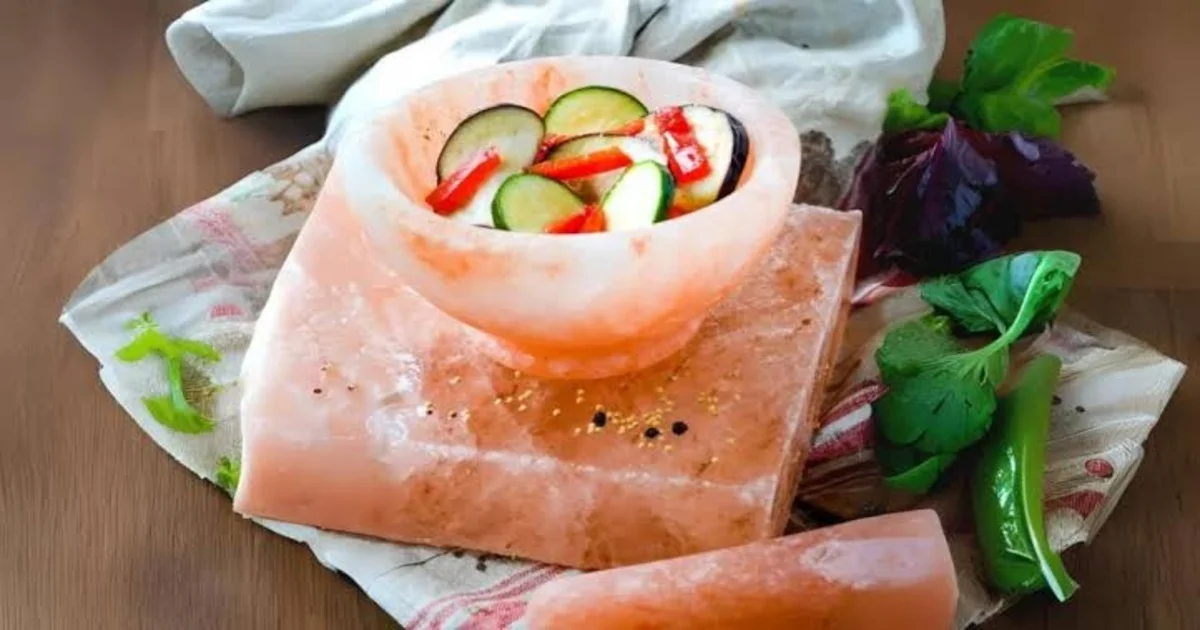
One of the most popular culinary applications is the Himalayan rock salt cooking slab, also called a salt block. You heat the slab on a grill or stovetop and cook meats, seafood, vegetables and even desserts directly on the surface. The salt transfers a gentle, natural seasoning to whatever touches it. You can also chill the slab and use it as a serving surface for food presentation.
Fine ground Himalayan salt works well for popcorn and snack seasoning. You get taste enhancement with a subtle mineral edge. For beer salt, adding a pinch to the rim of a glass is a popular drinking experience in some cultures. In pickling processes, pickle salt needs to dissolve cleanly without leaving residue and finely ground Himalayan salt can work for that purpose when it is non-iodized, because iodine can affect the color and texture of vegetables during fermentation.
For flour salt and commercial baking, Himalayan salt delivers seasoning consistency in dough development. Bakery products rely on salt for gluten strength and fermentation control and Himalayan salt meets those food manufacturing standards.
2. Wellness Use
The wellness space has fully embraced Himalayan salt rock salt and there are several ways people use it outside the kitchen.
A Himalayan rock salt bath is one of the most straightforward wellness applications. You dissolve a handful of raw salt crystals in warm bath water and soak for relaxation. The experience is similar to a mineral spring bath and many people find it calming after a long day.
Himalayan salt rock massage stones show up in spas and wellness centers. Heated salt crystals get used in massage sessions for their warmth and the mild exfoliation the surface provides. The aesthetic design of the stones adds to the spa environment.
A Himalayan rock salt inhaler is a small handheld device where you breathe through a salt-filled chamber. This is linked to halotherapy or salt therapy, which involves breathing salty air. Some people use it for respiratory practices, though the scientific evidence on clinical effectiveness is mixed and not conclusive.
Himalayan rock salt deodorant is sold as a natural odor control option. You wet the crystal and apply it to skin. It works by leaving a thin mineral layer that creates an unfriendly environment for odor-causing bacteria.
3. Decorative and Home Use
A salt lamp is a carved crystal of Himalayan salt with a bulb inside. It produces a warm glow and gets used for decorative lighting in home environments, office settings and wellness centers. The calming effect of the amber light appeals to people who want natural home decor with an aesthetic design. There are claims about negative ions from salt lamps improving air quality, but the scientific evidence does not support this strongly. The decorative value is genuine even if the negative ions myth does not hold up.
4. Industrial and Agricultural Use
Bulk production of Himalayan rock salt supplies food processors, industrial use operations and manufacturing supply chains. Exporters and suppliers handle logistics from Pakistan through global trade routes. Supply consistency and timely distribution matter for food and manufacturing industries.
In agriculture and animal care, Himalayan rock salt supports mineral supplementation for farmers and livestock. Deer salt lick products and salt block deer setups attract wildlife and support animal health. These compressed salt blocks are designed for outdoor durability and serve as a long-lasting mineral source for nourishment. Hunters use deer feeding setups to attract wildlife to specific areas as a natural mineral source.
5. Aquarium Use
Some aquarium enthusiasts use Himalayan rock salt for fish care and aquatic environment maintenance. The trace minerals can support water quality and mineral balance in freshwater tanks under professional guidelines. Always follow aquatic health recommendations before using natural salt products in aquarium settings, since improper use can harm fish.
Is Himalayan Rock Salt Different from Regular Salt?
Both Himalayan salt rock salt and regular table salt are primarily sodium chloride. That is the honest comparison you need to understand before making any claims.
| Feature | Himalayan Salt Rock Salt | Regular Table Salt | Sea Salt |
|---|---|---|---|
| Main compound | Sodium chloride | Sodium chloride | Sodium chloride |
| Processing | Minimally processed | Refined, iodized | Varies |
| Trace minerals | Yes, small amounts | Removed | Present in small amounts |
| Iodine content | Non-iodized (natural) | Iodized (added) | Usually non-iodized |
| Color | Pink to reddish | White | White to grey |
| Additives | None typically | Anti-caking agents | Varies |
| Flavor | Mild mineral edge | Neutral to sharp | Mild |
| Common use | Cooking, wellness | Table salt, cooking | Cooking, finishing |
The main practical difference between Himalayan salt and iodized salt is iodine content. Table salt gets iodized as a public health measure to prevent iodine deficiency. Iodine is critical for thyroid health and brain development, particularly in children. The WHO guidelines on salt iodization exist for this reason.
If you switch entirely to non-iodized Himalayan rock salt and do not get iodine from seafood, dairy or eggs, you may not meet your nutritional requirements. That is worth considering if you make the switch for dietary preference reasons.
Himalayan salt rock salt Benefits
Himalayan salt rock salt does contain trace minerals, including potassium, magnesium and calcium. The detox claims and dramatic health promises you see in marketing go beyond what research findings support. An Australian study and IGN report findings both point out that the mineral content in normal consumption levels of Himalayan salt is too small to have significant nutritional impact compared to what you get from food.
Where the salt delivers genuine value is in its culinary applications, spa use and as a natural alternative for people who prefer unprocessed products. Consumer trust in natural products is legitimate and the versatility of Himalayan salt rock salt across household use, kitchen settings and wellness applications is real.
The electrolyte balance in your body depends on sodium, potassium, magnesium and other minerals. Sodium from any salt source supports nerve function, muscle contraction and hydration. Dehydration and sodium loss are real health concerns and salt plays a role in maintaining body pH balance. None of that is unique to Himalayan salt, though. Your body does not distinguish the sodium from Himalayan rock salt versus table salt.
The bottom line is that sodium intake levels and overall diet matter far more than which type of salt you choose.
If you want to explore more food and flavor content, you can visit www.flavorsuggest.co for ingredient guides and culinary research across different categories.
Frequently Asked Questions
What is Himalayan salt rock salt used for?
You can use it for cooking, seasoning, salt baths, salt lamps, spa treatments and animal mineral supplementation. It serves both culinary and wellness purposes across household and commercial settings.
Can you eat Himalayan salt rocks?
Yes, you can eat it once it is ground into food-grade fine or coarse salt. Raw chunks are not meant for direct consumption but get processed into edible forms.
Is pink Himalayan salt better than table salt nutritionally?
Both are mainly sodium chloride. Table salt has added iodine, which is important for thyroid health. Himalayan salt has trace minerals but in amounts too small to be nutritionally significant at normal dietary use levels.
What is a salt cooking slab used for?
You heat or chill a Himalayan rock salt slab and use it as a cooking surface or serving plate. It adds a mild natural seasoning to meats, seafood, vegetables and desserts through direct contact.
Does salt inhaler therapy work?
The scientific evidence on Himalayan rock salt inhalers for respiratory benefits is limited and not conclusive. Some people find it soothing, but it should not replace medical advice or prescribed treatment for respiratory conditions.
What is the difference between coarse and fine Himalayan rock salt?
Fine salt dissolves quickly and works for baking, seasoning and general cooking. Coarse crystals suit grinders, finishing dishes and visual presentation where texture adds appeal.
Why is Himalayan salt pink?
The pink color comes from iron oxide present in the mineral composition. Different concentrations of iron produce the range from light pink to deep reddish tones.
Is Himalayan salt better for pickling than table salt?
Non-iodized salts are generally preferred for pickling because iodine can interfere with vegetable texture and color during fermentation. Himalayan salt works for this purpose when it is non-iodized and free of anti-caking additives.
Where does Himalayan salt actually come from?
It comes from the Khewra Salt Mine in Punjab, Pakistan. The Himalayan name is a marketing convention. The mine sits in the Salt Range, not in the Himalayan peaks themselves.
References
- World Health Organization.
- International Council for the Control of Iodine Deficiency Disorders.
- Codex Alimentarius Commission. General Standard for Food Additives. fao.org
- Khewra Salt Mine, Geological Survey of Pakistan. Official Site Records.
- National Health and Medical Research Council (Australia).
- Centers for Disease Control and Prevention. cdc.gov
- Food Flavors Guide.