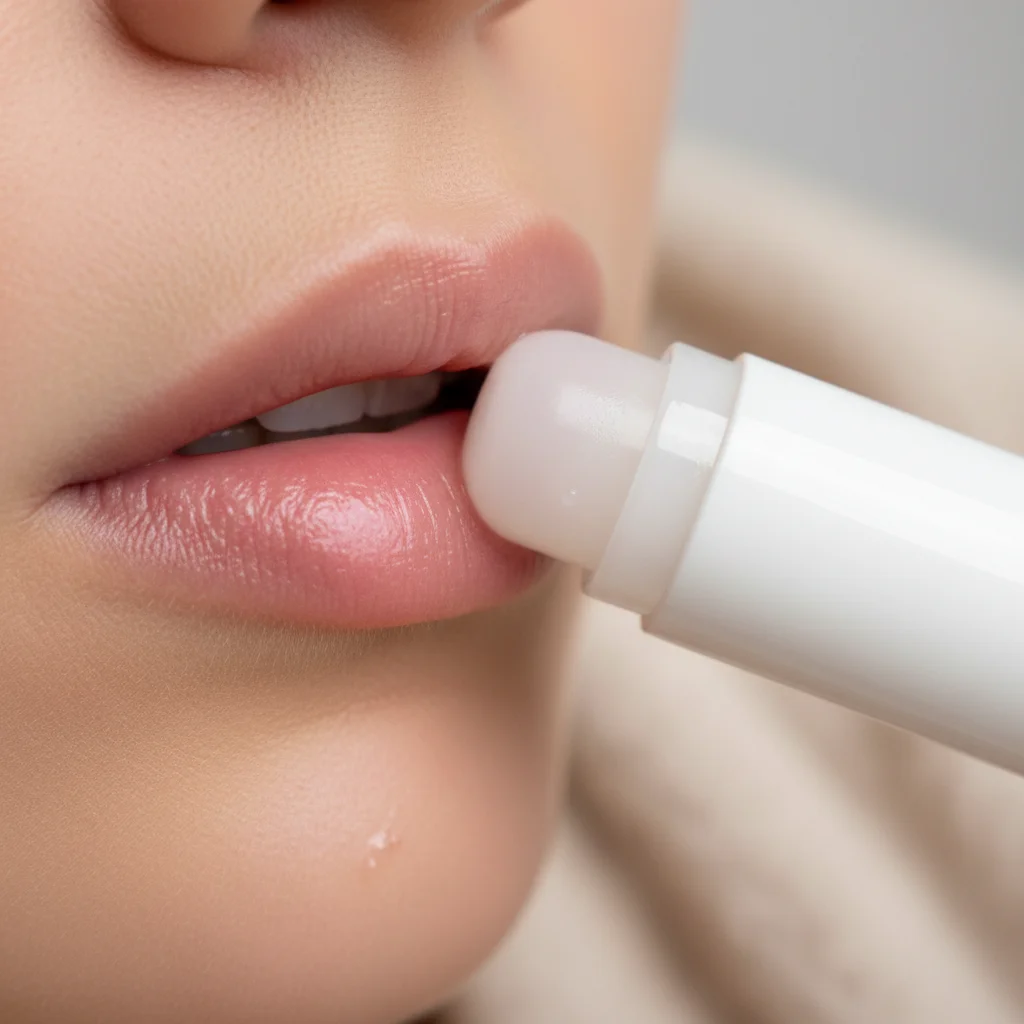
What is Chap Lip Balm? Benefits, Uses & Best Picks in 2026
Your lips feel tight. They are cracking. The skin feels rough and painful and every sip of coffee makes you wince. We have all been there. Chapped lips are one of those small problems that can completely ruin your day.
The good news? The right chap lip balm fixes this fast. And in this guide, we are going to cover everything. What it is, how it works, what ingredients to look for, which products actually deliver results and how to use it correctly so your lips stay soft all year. We will also compare top products and break down the real benefits so you can make an informed choice.
What Does Chapped Mean?
The word “chapped” describes dry, cracking or flaky skin on your lips. Your lips are actually delicate tissue. They do not have oil glands like the rest of your skin does. That means they cannot produce their own moisture. They rely entirely on you.
When your lips lose moisture faster than they can hold it, you get chapping. The surface becomes rough. You might notice peeling, loose dead skin or even painful cracks that bleed. In severe cases, the damage goes deeper and healing can be slow.
This is where a good chap lip balm comes in. It works to soothe uncomfortable, broken skin, acts as a protective barrier, stops moisture from escaping and has moisturizing benefits that help your skin repair itself.
Why Do Lips Get Chapped? All the Causes Explained
Your lips are always exposed to the environment. And there are more causes of chapping than most people realize.
Cold weather and wind are the biggest culprits. In winter, cold air has very low humidity. That dry air pulls moisture right off your lips. Add wind on top of that and the friction speeds up the damage.
UV exposure is another major cause. Ultraviolet rays break down the skin surface and cause fading, damage and painful burning. Yes, your lips can get sunburned. Most people forget about this in summer.
Dehydration affects your entire body, including your lips. When you are not drinking enough water, your skin becomes dry from the inside out. Your lips show that lack of hydration before almost anywhere else.
Breathing through your mouth also dries your lips constantly. If you have a cold, allergies or you snore, you might wake up with chapped lips every single morning.
Medications are a surprising cause many people overlook. Retinoids, diuretics and certain acne treatments reduce moisture levels in your skin and tissue. If you started a new medication and noticed drying, that could be why.
Nutritional deficiencies matter too. Low levels of B vitamins or iron can show up as chapped, non-healing lips. Your body needs nutrients to maintain healthy skin cells.
How Chap Lip Balm Actually Works
This is where it gets interesting. A good chap lip balm does not just coat your lips and hope for the best. It works through three different mechanisms at the same time.
Occlusives: Sealing in Moisture
Occlusive ingredients create a physical barrier on your lip surface. They block water from escaping the tissue. Think of it like putting a lid on a pot of boiling water. Wax-based ingredients like beeswax, carnauba wax and candelilla wax are classic occlusives. Petroleum jelly is one of the most effective occlusives ever studied. These ingredients prevent moisture loss and protect against wind, cold and UV exposure.
Emollients: Softening Your Lips
Emollients are the ingredients that fill in the cracks and make your lips feel smooth. They soften the skin surface and give that comfortable, pleasant sensation when you apply a product. Shea butter, cocoa butter, mango butter and most oils are emollients. They do not add water. They make the existing skin feel soft and less rough.
Humectants: Pulling Water In
Humectants attract water from the air and from deeper skin layers and pull it up to the surface. Hyaluronic acid is the most well-known humectant in lip care right now. Aloe vera also works this way. These ingredients are especially useful in damp or indoor environments where there is moisture in the air to pull from.
Most high-quality chap lip balm products use all three types together. That combination delivers immediate relief and long-term hydration.
Key Ingredients in Chap Lip Balm: What You Should Look For
Reading a lip balm label can feel overwhelming. Here is a breakdown of the ingredients that actually help and what each one does.
Beeswax is the foundation of most lip balm formulas. It is a natural wax that creates that smooth stick texture you are used to. It seals in moisture and forms a protective coating.
Shea butter is a rich emollient full of fatty acids. It softens dry, damaged skin quickly and helps with healing.
Cocoa butter has a slightly heavier feel but it is incredible for very dry or severely chapped lips. It also adds a light, pleasant cocoa aroma.
Aloe vera is both a humectant and a soothing ingredient. It calms irritation and helps reduce redness on painful lips.
Vitamin E (tocopherol) is an antioxidant that protects your lip tissue from damage caused by UV exposure and environmental stress. It also supports healing.
Hyaluronic acid is showing up in more premium lip care products now. It pulls moisture into the skin surface and keeps your lips plump and hydrated.
Natural oils like coconut oil, jojoba oil and sweet almond oil are lightweight emollients. Oil-based formulas glide on smoothly and feel comfortable without being heavy or greasy.
SPF ingredients like zinc oxide and titanium dioxide are essential if you spend time outdoors. They block ultraviolet rays and prevent sun damage on your lips.
Peppermint and menthol are popular in flavored products. They give that fresh, tingly sensation. But for some people with sensitive lips, these can be drying over time. We will talk more about that shortly.
Ingredients to Avoid If Your Lips Are Sensitive
Not every ingredient in a lip balm is your friend. Some of the most popular ones can actually make chapping worse.
Camphor, menthol and phenol feel great initially. That cooling sensation is hard to resist. But these ingredients are actually irritants. They can cause stinging and drying if you use them constantly. For people with contact dermatitis or sensitivity, these trigger reactions.
Salicylic acid shows up in some exfoliating lip balms. In the right amount, it helps remove dead skin. But used too often, it strips the lip surface and makes your lips more vulnerable to damage.
Synthetic fragrances are a common source of irritation and allergic reactions. If your lips feel worse after trying a new product, fragrance is often the cause.
Chemical sunscreens like oxybenzone can irritate some people. If you need SPF protection, look for physical SPF ingredients like zinc oxide or titanium dioxide instead.
Texture and Sensory Experience: How to Identify Your Preference
A lip balm you love to use is a lip balm you will actually keep using. Texture matters a lot.
Some people love a thick, glossy feel that sits heavily on the lips. Others want something thin and lightweight that disappears after application. Some prefer that smooth glide of a wax stick. Others love a jelly-like formula from a pot.
Stick products are the most popular because they are easy to carry and apply evenly. They are great for daily use at your desk, in your pocket or in a bag.
Pot or cream-like formulas tend to be richer and more occlusive. They work beautifully as an overnight treatment. Apply a thick layer at bedtime and let the product work while you sleep.
Oil-based formulas are glossy and feel light. They give a pleasant, shiny finish if you like that look.
Balm with a lotion-like texture blends in quickly and feels comfortable on lips that are only mildly dry.
The scent or aroma is also part of the experience. Options range from neutral to vanilla, cherry, citrus, mint, peppermint or even cocoa. Your preference is totally personal. Just make sure the flavor does not come from ingredients that might irritate you.
How to Apply Chap Lip Balm for Best Results
You might think applying lip balm is obvious. But there is actually a right way to do it that makes a real difference.
1. Start with clean lips: Wipe away any food, drink or old product. Applying balm over residue reduces how well it bonds with your skin.
2. Apply in thin, even layers: You do not need to pile it on. A thin coat is often more effective than a heavy glob. Rub or move it across the entire lip surface, including the corners of your mouth.
3. Reapply frequently: For chapped lips that need healing, apply every two to three hours. For daily maintenance, apply in the morning, after lunch and before bed.
4. Always apply before going outdoors: Wind, cold and summer sun all damage lips quickly. Your protective barrier needs to be in place before exposure, not after.
5. Apply a layer at night: Your lips heal while you sleep. A generous application before bed gives your skin hours to recover without any friction or exposure.
The overnight routine is one of the most effective things you can do for damaged lips. Use a heavier, occlusive formula before bed. By morning you will notice a real difference in how soft and comfortable they feel.
Common Mistakes That Make Chapped Lips Worse
Here is the hard truth. Some of the things you do to fix chapped lips are actually making them worse.
Licking your lips feels like it adds moisture. It does not. Saliva contains enzymes and it evaporates quickly, leaving your lips drier than before. This habit creates a cycle of constant drying.
Constantly reapplying certain balms can become a habit that backfires. Some products with menthol, camphor or phenol create a sensation that makes you feel like you need more product every hour. You are not actually helping your lips heal. You are just responding to the tingle. Switch to a fragrance-free, non-irritating formula and that cycle breaks quickly.
Picking or pulling at peeling skin damages the delicate tissue underneath. It creates friction and can cause painful cracks that take days to heal. Use a soft lip exfoliation product or a damp cloth to gently remove dead skin instead.
Using expired products. Yes, chap lip balm expires. Most products have a shelf life of one to two years. Old product can harbor bacteria and the active ingredients lose their effectiveness. Check your tubes regularly.
Applying balm after damage is done without thinking about prevention. Apply daily even when your lips feel fine. Consistent use prevents the condition from starting in the first place.
Best Chap Lip Balm by Need: Our Top Picks for 2026
There is no single perfect product for everyone. The best one for you depends on your skin type, your lifestyle and what you need most from a formula.
Best overall chap lip balm for daily use should combine a natural wax base, a rich butter like shea or cocoa and a touch of vitamin E. These formulas are effective, comfortable and work for most skin types.
Best chap lip balm with SPF is essential if you spend time outdoors in summer or at high altitude. Look for broad-spectrum UV protection using zinc oxide or titanium dioxide. This gives you protection against ultraviolet rays without heavy chemical filters.
Best natural and organic chap lip balm uses beeswax or candelilla wax organic shea or cocoa butter and essential oil flavors with no synthetic ingredients. These are a great option if you prefer clean beauty products.
Best for severe chapping needs the heaviest occlusives. A petroleum-based formula or a thick beeswax blend with healing aloe and vitamin E will provide immediate relief and help rebuild your barrier over several days.
Best tinted chap lip balm gives you a hint of color while protecting and hydrating. Look for natural pigments and food-grade colorants over synthetic dyes.
Best luxury chap lip balm uses high-end material like organic mango butter, gold-standard hyaluronic acid and premium essential oils. These are a treat if you want a more indulgent daily routine.
Best for kids should be fragrance-free, free of menthol and camphor and use gentle natural waxes and butters. Kids tend to lick their lips and love a fruity taste, so look for food-grade cherry, vanilla or citrus flavors that are safe to swallow in small amounts. The best picks in 2024 and going into 2025 use clean, non-toxic ingredients you can feel good about.
Best vegan chap lip balm replaces beeswax with candelilla wax or carnauba wax. Both perform well and are popular choices among brands focused on plant-based formulas.
ChapStick vs. Vaseline vs. Burt’s Bees: A Real Comparison
These three brands dominate drugstore shelves. They all work, but they work differently.
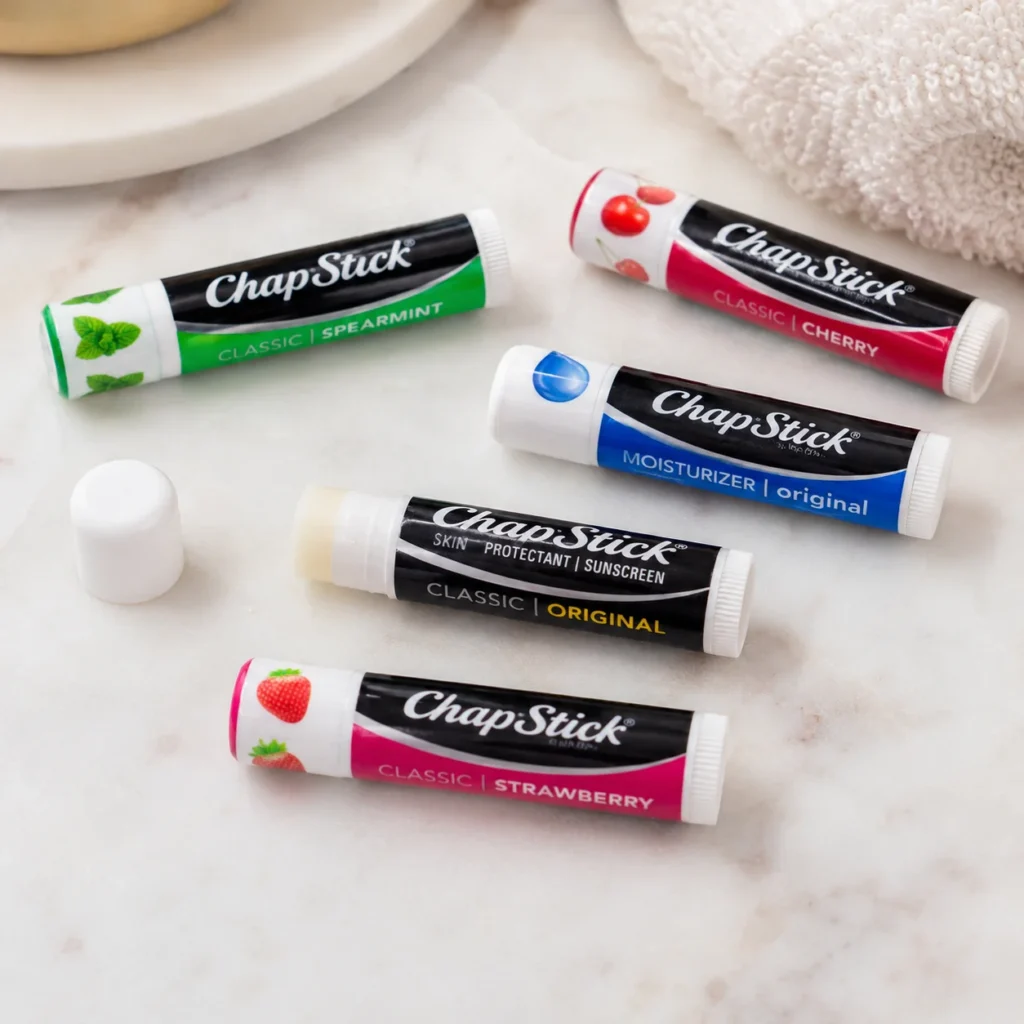
ChapStick is the name so closely linked to lip balm that people use it as the word itself. ChapStick Classic uses petrolatum as its primary occlusive and is one of the most studied topical treatments for chapped lips. Their medicated version adds camphor and menthol for extra relief but may irritate sensitive lips with daily use. Total Hydration is their premium range with more added moisture ingredients.
Vaseline in a pot is pure petroleum jelly. No flavor, no fragrance, no additives. Dermatological research and the American Academy of Dermatology (aad.org) consistently rank petrolatum as one of the most effective healing agents for dry skin. It is the value option that genuinely works for severe damage.
Burt’s Bees uses beeswax as its base instead of petroleum. Their products feel more natural in texture and the range of flavors, including peppermint, vanilla and cherry, is popular. Quality is high and the brand has popularity among people who prefer natural formulas. The price point sits in the mid range.
Comparing these side by side on ingredients, price and healing results, all three are effective. Your choice comes down to preference. Do you want maximum healing power, natural waxes or a specific flavor?
Chap Lip Balm for Every Season and Environment
Your lips face different challenges depending on the season and where you are.
Winter is the classic battle. Cold air combined with indoor heating creates an environment where moisture escapes from your lips constantly. Lips become drier, crackier and more painful in winter than any other time of year. Use a richer, heavier formula and apply more frequently. Keep one on your desk at work so you do not forget.
Summer brings UV exposure. Sun damage on lips is real and commonly overlooked. Use a chap lip balm with SPF protection daily from spring through fall, especially at the beach or in warm weather.
Damp or indoor environments actually benefit from humectants. If your home has a humidifier running, hyaluronic acid and aloe vera can pull moisture from the air into your lips. This is when lighter formulas work well.
Seasonal changes are a trigger point for many people. When the weather shifts, your skin needs time to adjust. Going from warm to cold especially causes sudden chapping. Start layering your lip care routine a few weeks before the temperature drops each year.
How to Make Chap Lip Balm at Home
Making your own chap lip balm at home is easier than you think. And when you make it yourself, you know exactly what is in it.
Simple 3-ingredient recipe:
You need beeswax, coconut oil or sweet almond oil and vitamin E oil. Melt two tablespoons of beeswax in a double boiler. Add two tablespoons of your chosen oil. Stir until combined. Add a few drops of vitamin E. Pour into small lip balm tubes or pots. Let it set at room temperature.
That is it. A basic, effective formula with no synthetic ingredients.
Vegan version:
Replace beeswax with candelilla wax. Use the same ratio. Candelilla wax is harder than beeswax so you may need slightly less. The result is a firm, smooth product that works beautifully.
Tinted version:
Add a tiny amount of natural food-grade pigment or beetroot powder to your base while it is still melted. Start with very little and add more until you reach your preferred color. The result is a beautiful tinted balm with a natural aroma.
Peppermint and honey healing balm:
Add one teaspoon of raw honey and three drops of food-grade peppermint essential oil to your base mixture. The honey adds humectant properties and the peppermint gives a fresh, pleasant scent.
Tips for Packaging and Storage
Lip balm tubes are easy to buy in bulk online. Pots work better for heavier, more occlusive formulas. Paper packaging is gaining popularity as a plastic-free option.
Store your homemade products away from heat and direct sun. Warmth causes the wax mixture to melt and lose its structure. A cool, dark place extends shelf life. Most homemade balms stay fresh for six to twelve months.
If you plan to share or sell your creations, check the regulations around topical cosmetic products in your region. The administration of cosmetic products varies by country.
ChapStick Brand Deep Dive: Products, History and Where to Buy
ChapStick is arguably the most recognized name in lip care. The brand has been around for decades and remains a popular choice at every drugstore, pharmacy and online shop.
Their product range is wide. Classic is the everyday staple. Medicated contains camphor, menthol and phenol for fast relief of painful, severely chapped lips. Total Hydration is the premium line with shea butter, vitamin E and added moisture ingredients. Flavors include cherry, vanilla, mint and a rotating seasonal range.
The medicated mint version works well for short-term, severe chapping. For daily use, Classic or Total Hydration are better options because the medicated formula can cause drying with repeated daily application.
You can find ChapStick at virtually every drugstore, pharmacy and convenience store. Online options through Amazon and other shopping platforms let you buy in bulk or as a bundle, which is a great value if your whole family uses it.
If you are looking for a wider range of natural, flavored or specialty lip balm products and want expert suggestions on what works, check out www.flavorsuggest.co for detailed reviews and flavor recommendations across dozens of brands.
Building Your Daily Lip Care Routine
Good lip care does not need to be complicated. A simple daily routine will keep your lips soft, protected and healthy all year.
Morning: Apply a chap lip balm with SPF before going outside. This is non-negotiable in summer and still important in winter when UV levels remain active even in cold weather.
Afternoon: Reapply after lunch or after any food and drink. Eating removes your protective layer.
Evening: Before bed, apply a thicker, more occlusive formula. Let it work overnight while you sleep.
Weekly: Do a gentle exfoliation. Mix a small amount of fine salt or sugar with coconut oil and rub it softly over your lips. This removes dead skin and allows your balm to work on fresh tissue.
Drink water consistently throughout the day. Hydration from the inside supports everything you do on the outside.
Run a humidifier indoors in winter. This keeps moisture in the air around you, which helps your lips and skin retain hydration.
Curious where Chap Lip Balm originally comes from?
Explore Madagascar and Mexico on our Flavor Finder map → https://flavorsuggest.co/flavorfinder/
Frequently Asked Questions About Chap Lip Balm
Can you use chap lip balm every day?
Yes. Daily use is actually the whole point. Your lips do not produce their own moisture. Regular application protects them and prevents chapping from starting. Apply at least two to three times daily as a habit.
Is lip balm safe if you accidentally swallow it?
For most commercial products using food-grade and cosmetic-grade ingredients, swallowing a small amount is not harmful. Beeswax, waxes, butters and common oils are all non-toxic. Avoid swallowing products with camphor or phenol in significant amounts.
Can chap lip balm expire?
Yes, it can. Most products have a one to two year shelf life. After that, the wax structure can break down, ingredients can oxidize and bacteria can grow. Old product can actually make your lips worse.
When should you see a doctor about chapped lips?
If your lips are severely cracked, bleeding frequently or non-healing despite regular use of chap lip balm for two weeks, see a dermatologist.
Can lip balm cause addiction?
True physical addiction does not occur. But some ingredients, especially menthol and camphor, create a sensation that makes you want to reapply constantly.
For product comparisons, flavor suggestions and expert reviews, visit www.flavorsuggest.co.