Atlantic King Salmon Fillets: Nutrition, Benefits & Cooking Guide 2026
If you have ever stood at a seafood counter and felt totally overwhelmed, you are not alone. There are so many options. But once you try Atlantic King Salmon Fillets, everything else kind of fades into the background. They are rich. They are buttery. And honestly? They are one of the best things you can cook at home.
What Are Atlantic King Salmon Fillets?
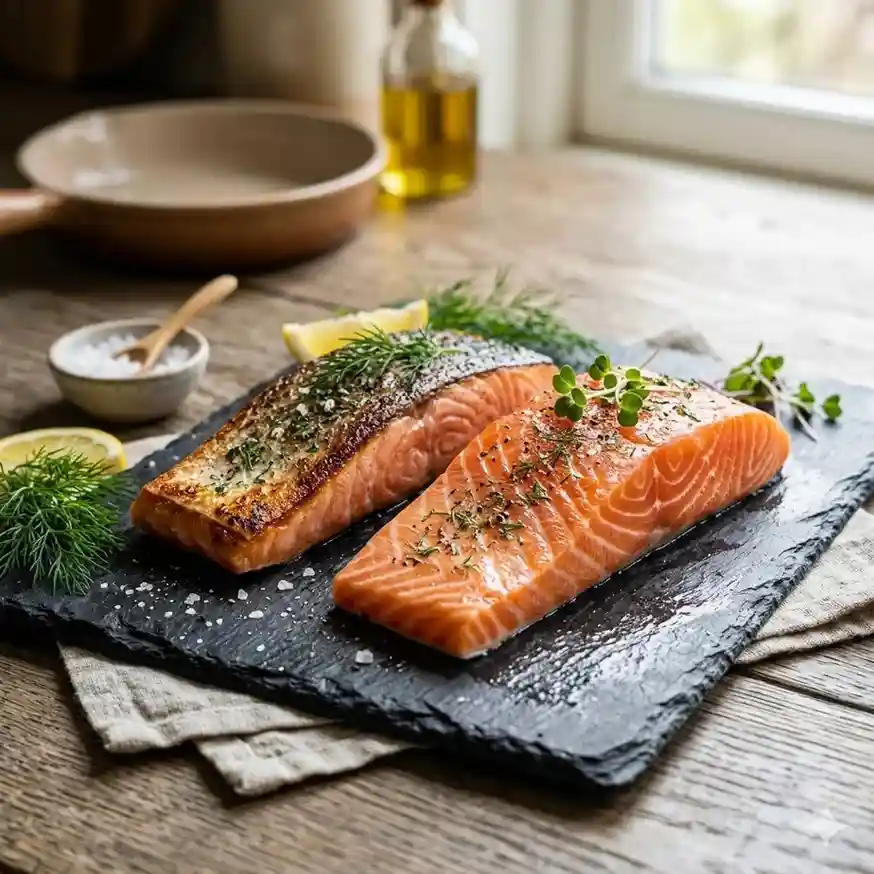
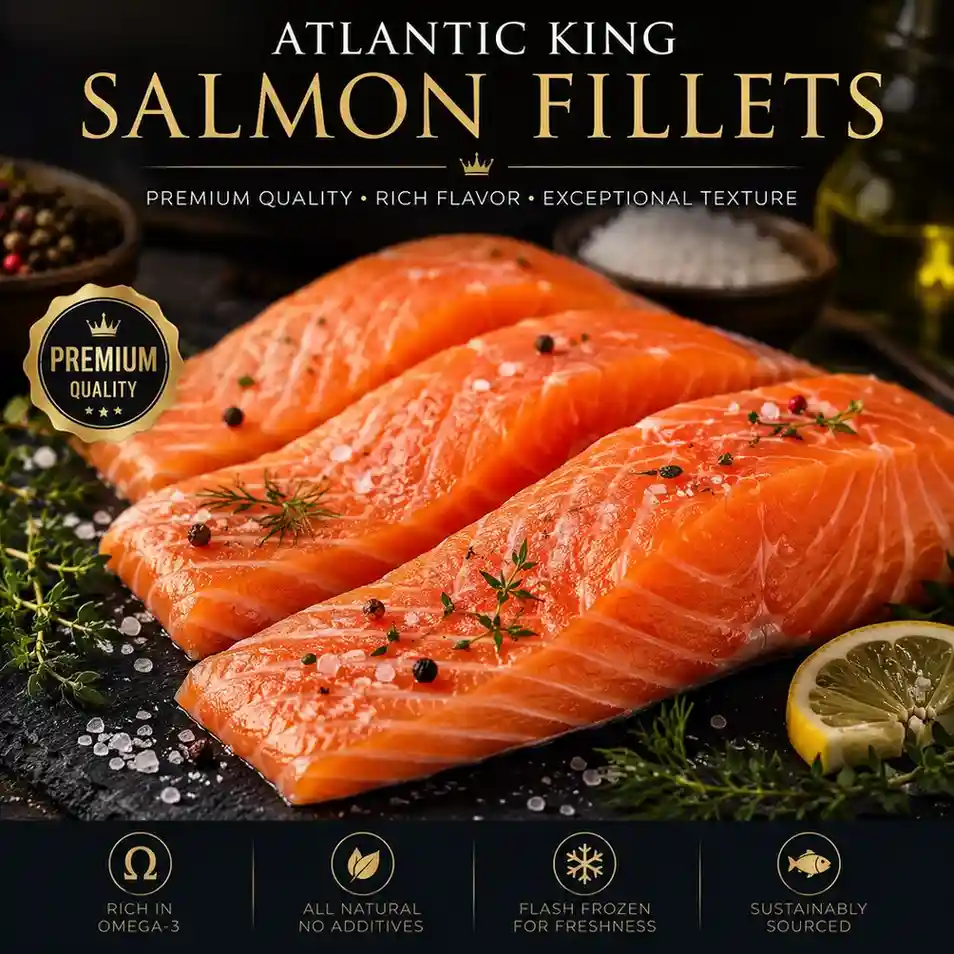
Atlantic King Salmon Fillets come from a large salmonid fish known for its thick profile, wide white lines of intramuscular fat and that gorgeous bright orange-red muscle you see when you slice through it. A good fillet is a clean, fleshy slab. Just premium meat that is ready to cook.
The fish itself is high-fat and marine-raised. That means you get natural marbling. It works like self-basting during cooking. You do not need to do much.
Atlantic vs Pacific Salmon
Atlantic salmon is actually a different species from Pacific salmon types like chinook or sockeye. When you see Atlantic King Salmon Fillets at a grocery store, the “king” part usually refers to the premium quality and size. It is thick. It is rich. And the lipid profile is higher than most other fish you will find.
Pacific king salmon, also called chinook salmon, is a separate species. Both are incredible. But Atlantic salmon has a slightly milder, more buttery taste that most people fall in love with instantly.
Why Atlantic King Salmon Is Popular Worldwide
This fish shows up on menus everywhere. From casual weeknight dinners to caviar pairings and champagne soirées. It suits discerning palates but it is also totally approachable for home cooks. The flavor is elegant without being complicated. And because it is farm-raised so widely, supply stays steady year-round.
Over at FlavorSuggest, we talk a lot about picking ingredients that make everyday cooking feel like a restaurant experience. Atlantic King Salmon Fillets are at the top of that list.
Fresh, Frozen and Smoked Fillet Options
You have three main formats to choose from.
- Fresh fillets.
- Frozen fillets.
- Smoked salmon fillets.
Each has its place. Fresh is ideal when you want absolute best texture for searing. Frozen works great if you want your freezer stocked for quick weeknight meals. Smoked is perfect for charcuterie spreads or breakfast plates.
Atlantic King Salmon Fillets at a Glance
Flavor Profile and Taste
The first bite is a sensory event. You get a sweet finish with a savory finish underneath. There is a subtle ocean sweetness there. And then that toasted butter quality from the fat rendering as you cook it. It does not taste harsh or muddy or overly fishy. It is refined and elegant.
The mouthfeel is genuinely special. The fat coats your tongue as the fish begins to dissolve with each bite. It is the kind of mouth sensation and eating pleasure that makes you slow down and actually enjoy your food.
Texture and Appearance
When cooked right, the texture is moist and large-flaked. The flakes are soft and they fall apart gently. It is never dry or chalky when you treat it properly. The coral-colored flesh looks beautiful on a plate. The bright orange muscle against crisp skin makes it genuinely photogenic.
Fat Content and Marbling
This is where Atlantic King Salmon Fillets really shine. The white marbling you see running through the bright orange muscle is intramuscular fat. The fat melts during cooking. It bastes the meat from the inside.
This self-basting effect is what separates salmon from leaner fish like cod or tilapia. The muscle fibers stay tender and moist because the internal fat melts through them as heat builds. The fat content is much higher overall. That makes it forgiving for home cooks.
Common Fillet Sizes and Portions
Most fillets run between 6 and 8 ounces per portion. Center-cut sections are the most prized because they are even in thickness. That means they cook evenly. Tail cuts are thinner and cook faster. When you are feeding a large group, look for a whole side fillet you can portion yourself.
Atlantic King Salmon Nutrition Facts
Calories per Serving
A 6-ounce fillet delivers roughly 350 to 400 calories. That sounds like a lot but most of those calories come from healthy fat and clean protein. Your body uses those calories.
Protein Content
You are looking at around 34 to 38 grams of protein per serving. That is serious. Atlantic King Salmon Fillets are a premium protein source that supports muscle building, recovery and satiety. If you are active, this fish should be a regular in your rotation.
Healthy Omega-3 Fatty Acids
This is the big one. Omega-3 fatty acids are why nutritionists and doctors keep recommending salmon. Atlantic King Salmon Fillets have a high concentration of omega-3s.
According to research regular omega-3 consumption is linked to cardiovascular health benefits and improved brain function. That is hard to argue with.
Vitamins and Minerals
You also get a strong lineup of vitamins and minerals. B12, vitamin D, selenium, potassium and phosphorus are all in there. These support everything from nerve function to bone health. It is genuinely one of the most nutrient-dense protein options available.
Nutritional Value Compared to Other Fish
Compared to cod or tilapia, Atlantic King Salmon Fillets have a far richer lipid profile. More omega-3 fatty acids. More natural oils. The fat content is higher, yes, but it is healthy fat that your body needs. For a balanced diet, salmon wins almost every comparison.
Health Benefits of Atlantic King Salmon Fillets
Heart Health Support
The omega-3 fatty acids in Atlantic King Salmon Fillets are directly tied to cardiovascular benefits. They help reduce inflammation in the arteries. They support healthy cholesterol levels. And they can lower the risk of heart disease over time.
Brain Function and Cognitive Benefits
Your brain loves omega-3s. DHA in particular is essential for brain function and cognitive performance. Regular consumption of Atlantic King Salmon Fillets gives your brain the fuel it needs to stay sharp.
Muscle Growth and Recovery
With nearly 38 grams of protein per serving, your muscles get serious support. The amino acids in this fish aid in muscle repair after workouts. If you are training or just want to stay strong as you age, Atlantic King Salmon Fillets belong in your diet.
Weight Management Advantages
High-fat foods like salmon can actually support weight management. The healthy fat and protein keep you full longer. You eat less overall. The clean calories also keep your energy steady so you are not crashing and reaching for snacks an hour later.
Skin, Hair and Eye Health Benefits
The omega-3 fatty acids and natural oils in Atlantic King Salmon Fillets support skin hydration, hair strength and eye health. Nutritional studies link these compounds to real measurable improvements in skin elasticity and eye function.
Anti-Inflammatory Properties
Chronic inflammation is linked to dozens of diseases. The omega-3s and lipid profile of Atlantic King Salmon Fillets actively work against inflammation. Adding this fish to your routine a couple of times a week can make a real difference in how your body feels.
Atlantic King Salmon vs Other Salmon Types
Atlantic King Salmon vs Sockeye Salmon
Sockeye has a deeper red color and a stronger, more intense flavor. Atlantic salmon is milder and fattier. If you love a bold salmon taste, sockeye is your fish. If you prefer something more buttery and approachable, go with Atlantic King Salmon Fillets.
Atlantic King Salmon vs Coho Salmon
Coho sits in the middle. Lighter than sockeye, not quite as rich as Atlantic. It is a good option if you want something leaner. But for that indulgent, melt-in-your-mouth experience, Atlantic wins.
Atlantic King Salmon vs Chinook Salmon
Chinook is the true Pacific king salmon. It rivals Atlantic salmon in fat content. The flavor is slightly different. More complex and wild-tasting. Both are premium. Atlantic is just more widely available.
Atlantic King Salmon vs Pink Salmon
Pink salmon is milder, lower in fat and much less luxurious in texture. It works well in canned applications or casseroles. For a proper fillet experience at the table, Atlantic King Salmon Fillets are in a completely different league.
Which Salmon Fillet Is Best for Different Uses?
For searing and pan cooking, go with Atlantic. For grilling, sockeye or chinook also perform well. For poaching and casseroles, any variety works. But for that full indulgent meal where you want to impress dinner guests? Atlantic King Salmon Fillets every time.
Wild-Caught vs Farm-Raised Atlantic King Salmon
Key Differences in Taste and Texture
Wild-caught has a slightly firmer, more resilient texture. Farm-raised tends to be softer and even fattier due to the controlled diet. For that melt-in-your-mouth eating experience most people crave, farm-raised often delivers better.
Nutritional Comparison
Both versions offer excellent omega-3 fatty acids. Wild-caught has a slightly different fatty acid ratio. Farm-raised often has higher overall fat content. Either way, you are getting serious nutritional value.
Sustainability Considerations
Look for certifications and verified sourcing when you buy. The NOAA (National Oceanic and Atmospheric Administration) and USDA both provide seafood labeling and sourcing guidelines to help you understand what you are buying. The 2025 Fisheries of the United States Report from NOAA also outlines current consumption data and fisheries health.
Price Differences
Wild-caught typically costs more. Sometimes significantly more. Farm-raised Atlantic King Salmon Fillets offer excellent quality at a more accessible price point. For everyday cooking, farm-raised is a smart choice.
Which Option Should You Choose?
If budget allows, try both. But for consistent, high-quality results at home, farm-raised Atlantic King Salmon Fillets are incredibly reliable. Look for verified origin on the packaging.
How to Choose the Best Atlantic King Salmon Fillets
Signs of Fresh Salmon
Fresh salmon should smell like the ocean, clean and slightly briny. The flesh should look bright and moist. Press it gently. It should spring back.
What Color Should Salmon Be?
You want that vibrant coral-colored flesh. Bright orange-red muscle is what you are looking for. Avoid anything that looks faded, gray or brown at the edges. Good color means good freshness.
Understanding Skin-On vs Skinless Fillets
Skin-on fillets are great for searing because the skin becomes a savory chip with crunchy texture. Skinless is easier for beginner cooks or for baked preparations. Both are delicious. Your choice depends on how you plan to cook it.
Common Buying Mistakes to Avoid
Do not buy salmon that has been sitting in a pool of liquid in the packaging. Avoid any with dull color or sour smell. And do not assume fresh is always better than frozen. Sometimes the frozen fillet at your store is actually fresher because it was flash-frozen right after harvest.
Where to Buy Atlantic King Salmon Fillets
Grocery Stores and Supermarkets
Most high-end grocery stores carry Atlantic King Salmon Fillets at the seafood counter. You can also find them in the freezer aisle. Look for individually wrapped portions if you want flexibility.
Seafood Markets
Local fishmongers are often your best bet for freshness and variety. They can tell you where the fish came from and how recently it was delivered. Building a relationship with your local seafood counter is worth it.
Online Seafood Retailers
Online retailers including Amazon have made it easy to get premium salmon cuts (https://amzn.to/4nT5bkM) delivered to your door. Look for gourmet fillet boxes (https://amzn.to/49XCJZm) or flash-frozen salmon packs (https://amzn.to/4nXkau9) with verified origins. Purchasing online from reliable sourcing is increasingly popular.
What to Look for on Product Labels
Check for seafood certifications. Look at the packaging for sourcing information. Verified Amazon affiliate links and reputable seafood product sites can point you to trustworthy brands. Fish labeling laws in the United States require origin disclosure, so use that information.
Price Range and Value Considerations
Atlantic King Salmon Fillets typically run anywhere from $12 to $25 per pound depending on the source and whether it is wild or farmed. Premium seafood from a reputable fishmonger may cost more but the quality difference is real. Think of it as an investment in your meal.
How to Store Atlantic King Salmon Fillets Properly
Refrigeration Guidelines
Fresh fillets should go into the fridge immediately. Use them within 2 days for best results. Store them on ice or in the coldest part of your refrigerator.
Freezing and Thawing Methods
For longer storage, freeze fillets within 24 hours of purchase. Properly frozen, they last up to 6 months in freezer storage. To thaw, move them from the freezer to the refrigerator overnight. Do not thaw in warm water. That degrades the texture.
Shelf Life Expectations
Fresh: 2 days in the fridge. Frozen: up to 6 months. Smoked salmon fillets last longer in the fridge, usually up to 2 weeks unopened.
Signs of Spoilage
If your salmon smells sour or very fishy, that is a sign it has turned. Discoloration, sliminess and dull color are also red flags. When in doubt, throw it out.
Preparing Atlantic King Salmon Fillets Before Cooking
Cleaning and Trimming
Rinse your fillet under cold water and pat dry. Trim any gray fatty tissue along the edges if you prefer a cleaner look. It is edible but has a slightly stronger flavor.
Removing Pin Bones
Run your finger along the center of the fillet. You will feel small pin bones poking up. Use tweezers or needle-nose pliers to pull them out. This takes 30 seconds and makes eating so much more pleasant.
Portioning Techniques
For even cooking, try to cut your portions to a similar thickness. Center-cut sections work best for this. Thinner tail sections can be folded under to create an even piece.
Essential Seasoning Basics
Coarse salt and black pepper. A drizzle of olive oil. That is all you need. The natural flavor of Atlantic King Salmon Fillets is so good that it does not need much help.
Best Seasonings for Atlantic King Salmon Fillets
Simple Salt and Pepper Method
Roasted sea salt and coarse black pepper bring out the best in fresh salmon. Apply just before cooking so the salt does not draw out too much moisture. This is the method we at FlavorSuggest always coming back for a pure eating experience.
Lemon and Herb Combinations
Fresh lemon juice, lemon zest, dill and parsley make a classic combination. The acidity from the fresh lemon brightens the rich flavor. Add a little olive oil to help it stick.
Garlic Butter Seasoning
Melt butter with minced garlic. Add a squeeze of lemon. Spoon this over your fillet as it cooks. The butterfat blends with the salmon’s natural oils and creates something magical.
Honey and Maple Glazes
Honey and maple glazes add a caramelized crust that contrasts beautifully with the fatty richness inside. Brush on before the last two minutes of cooking.
Asian-Inspired Marinades
Soy sauce, ginger, sesame oil and a touch of honey make an incredible marinade. Let the fillet sit in it for 20 minutes before cooking. The result is a deep, savory sweetness.
Mediterranean Flavor Profiles
Think olive oil, lemon zest oregano and capers. The Mediterranean flavor profiles complement the natural ocean sweetness in Atlantic King Salmon Fillets without covering it up.
How to Cook Atlantic King Salmon Fillets
Pan-Seared Atlantic King Salmon
Get your heavy pan or cast iron blazing hot. Add a tablespoon of olive oil and let it shimmer. Place your fillet skin-side down. Press gently with a spatula for ten seconds. Do not touch it for four minutes.
Then flip and cook for one minute. Remove and let the residual heat finish the job. You get crisp skin, a golden crust and moist, large-flaked interior. This is the pan-searing method that never fails.
Oven-Baked Salmon Fillets
The baking method is forgiving and hands-off. Preheat your oven to 400 degrees. Place fillets on a parchment-lined tray. Drizzle with olive oil and season. Bake for 12 to 15 minutes depending on thickness. The slow-baking process renders the fat gently and keeps the center tender.
Grilled Salmon Fillets
Grilled salmon gets a smoky char that is hard to beat. Oil the grates well. Cook skin-side down over direct heat. Four to five minutes per side. The skin protects the delicate meat from the grill. Do not move it around too much.
Air Fryer Salmon Fillets
Air fryer salmon is fast and surprisingly good. 390 degrees for 8 to 10 minutes. The circulating heat creates a slight crust on the outside. Great for busy weeknights.
Broiled Salmon Fillets
Broiling is like grilling from above. High heat, fast cooking. Position your oven rack about 6 inches from the broiler. Cook for 6 to 8 minutes. Watch it closely. It goes from perfect to overcooked quickly.
Poached Salmon Fillets
Poaching in seasoned water or broth keeps the fish incredibly moist. It is the gentlest cooking process. Great for sushi-grade applications or when you want very delicate texture. Also perfect for poaching and casseroles.
Smoked Salmon Fillets
Home smoking is a weekend project worth doing. Low and slow over wood chips. The result is deeply flavored, slightly firm smoked salmon fillets that blow anything from a package out of the water.
Internal Temperature and Doneness Guide
Recommended Cooking Temperatures
The USDA recommends a 145 degrees Fahrenheit internal temperature for fully cooked fish. But many chefs prefer 125 to 130 degrees for a more tender, slightly translucent center.
Rare, Medium and Well-Done Salmon
Rare: 110 to 120 degrees. Translucent center, very soft. Medium: 125 to 130 degrees. Slightly translucent, flaky and moist. Well-done: 145 degrees plus. Fully opaque. Still good if the fish has high fat content.
How to Avoid Overcooking
Use a thermometer. It is the single best thing you can do. Pull the fish off the heat a few degrees early and let residual heat do the rest. The warming continues after you remove from direct heat.
Common Cooking Mistakes
Cooking straight from the fridge is the biggest mistake. Let your fillet come to room temperature for 15 minutes first. Also, do not use a cold skillet. The pan must be hot before the fish goes in.
Easy Atlantic King Salmon Fillet Recipes
Garlic Butter Atlantic King Salmon
Season fillets with roasted sea salt and black pepper. Sear skin-side down in a hot skillet with olive oil for four minutes. Flip. Add butter and garlic to the pan. Baste continuously for one minute. The butterfat and salmon fat combine into something extraordinary.
Lemon Herb Baked Salmon
Lay fillets on a parchment-lined tray. Top with lemon zest, fresh lemon juice, dill and a drizzle of olive oil. Bake at 400 degrees for 13 minutes. Simple, clean and absolutely delicious.
Honey Glazed Salmon Fillets
Mix honey, soy sauce and a pinch of black pepper. Brush over fillets. Bake or broil for 10 to 12 minutes. The glaze caramelizes into a sticky, sweet crust. Your dinner guests will ask for a second serving without hesitation.
Teriyaki Atlantic Salmon
Marinate fillets in soy sauce, mirin, sake and sugar for 30 minutes. Cook in a hot skillet until caramelized on both sides. Serve over steamed rice. This is a favorite meal for people.
Creamy Tuscan Salmon
Pan-sear your fillets first. Remove. In the same pan, sauté garlic, cherry tomatoes and spinach. Add cream. Let it thicken. Put the salmon back in and spoon the sauce over. This is your indulgent meal for a celebration dinner.
Mediterranean Salmon Bowl
Flake baked salmon over a bowl of couscous or quinoa. Top with cucumber, olives, feta and a lemon-olive oil dressing. Finish with capers. This is the Mediterranean salmon bowl that works for meal prep or a quick lunch.
Salmon and Vegetables Sheet Pan Dinner
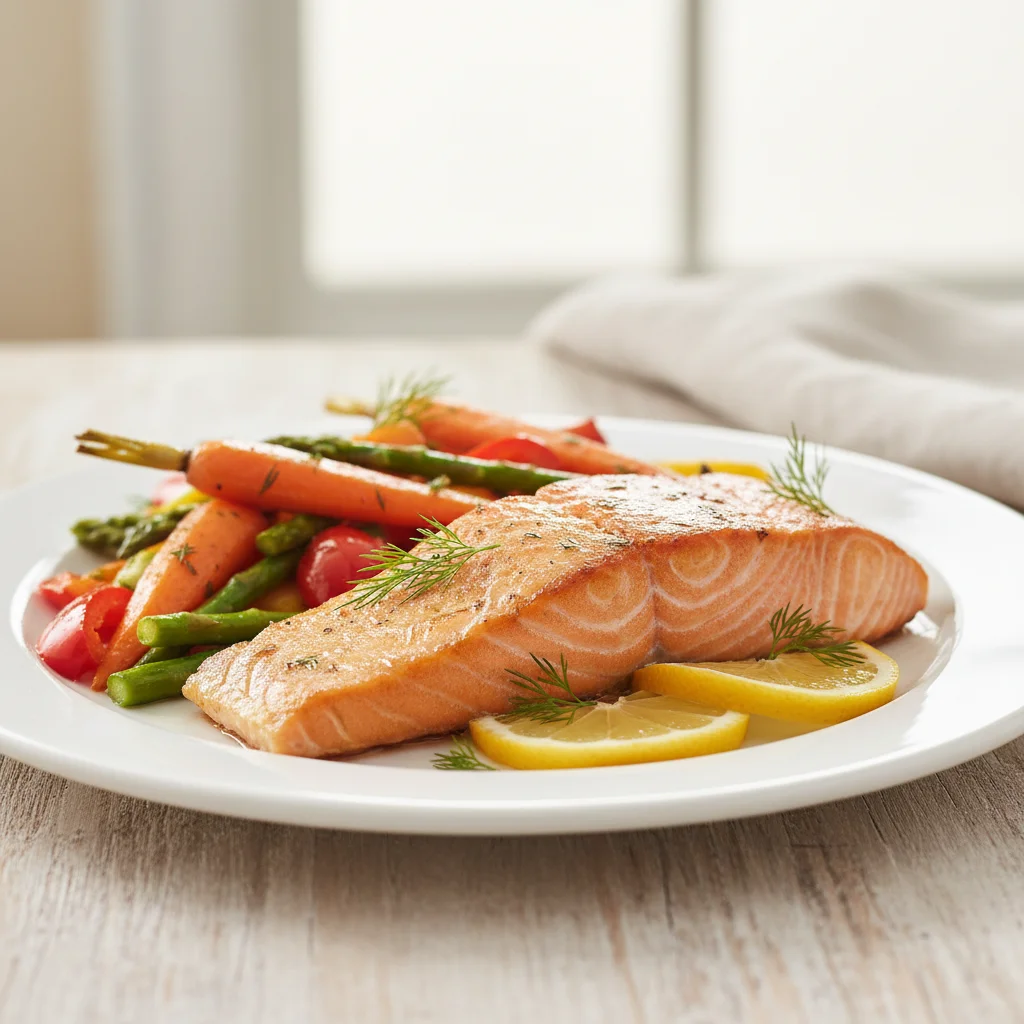
Arrange Atlantic king salmon fillets on a sheet pan with asparagus, cherry tomatoes and zucchini. Drizzle everything with olive oil and season well. Roast at 425 degrees for 15 minutes. One pan. One cleanup. Perfect meals every time.
What to Serve with Atlantic King Salmon Fillets
Best Vegetables for Salmon
Asparagus, broccolini, spinach and green beans all work beautifully. Roasted or simply steamed. The key is keeping the vegetables simple so the salmon stays the star.
Rice and Grain Pairings
Steamed jasmine rice, brown rice, quinoa and couscous all pair well. The grain soaks up the cooking juices and makes every bite better.
Potato Side Dishes
Roasted potatoes, mashed potatoes or potato side dishes like crispy smashed potatoes are all excellent. The starchy richness balances the fatty fish.
Fresh Salads
A simple green salad with a lemony vinaigrette is a perfect contrast to the richness of Atlantic king salmon fillets. The acidity cuts through the fat and refreshes your palate between bites.
Sauces and Toppings
Herb butter, cucumber yogurt sauce, mango salsa and brown butter with capers are all excellent sauces and toppings. Even a simple squeeze of fresh lemon juice is enough.
Atlantic King Salmon Fillets for Special Diets
Keto-Friendly Benefits
Atlantic King Salmon Fillets are naturally keto-friendly. High fat, high protein, zero carbs. The healthy fat in the fish supports ketosis and keeps you full for hours.
Low-Carb Meal Ideas
Pair with roasted vegetables and cauliflower rice for a perfect low-carb meal. No grains needed. The fish provides all the richness and satisfaction you need.
High-Protein Diet Applications
With 34 to 38 grams of protein per serving, Atlantic King Salmon Fillets are ideal for high-protein diet applications. Muscle recovery, satiety and metabolic support all benefit.
Mediterranean Diet Compatibility
The Mediterranean diet is built around fish, olive oil and vegetables. Atlantic King Salmon Fillets fit perfectly. The omega-3 fatty acids, olive oil pairings and fresh vegetable sides check every box.
Gluten-Free Considerations
Salmon is naturally gluten-free. Just be mindful of your seasonings and sauces. Stick with tamari instead of soy sauce if you need to be strictly gluten-free.
Curious where Atlantic King Salmon Fillets originally comes from?
Explore Madagascar and Mexico on our Flavor Finder map → https://flavorsuggest.co/flavorfinder/
Sources and References
- National Oceanic and Atmospheric Administration (NOAA). 2025 Fisheries of the United States Report. Harvard T.H. Chan School of Public Health.
- The Nutrition Source: Omega-3 Fatty Acids and Cardiovascular Health. 2024.
- United States Department of Agriculture (USDA). Seafood Labeling and Sourcing Guidelines. 2024.
Frequently Asked Questions About Atlantic King Salmon Fillets
What is king salmon filet?
Atlantic King Salmon Fillets come from a large salmonid fish known for its:
Thick profile with wide white lines of intramuscular fat.
Bright orange-red muscle running through the flesh.
A clean, fleshy slab with no bone mess.
Is Atlantic salmon good for diabetics?
Absolutely yes, the fish is rich in omega-3s which is good for diabetic persons.
Is grilled salmon good for high blood pressure?
Yes, it is good for people with high blood pressure.