Milky Choco: Best Picks, Rich Flavor Guide & Where to Buy
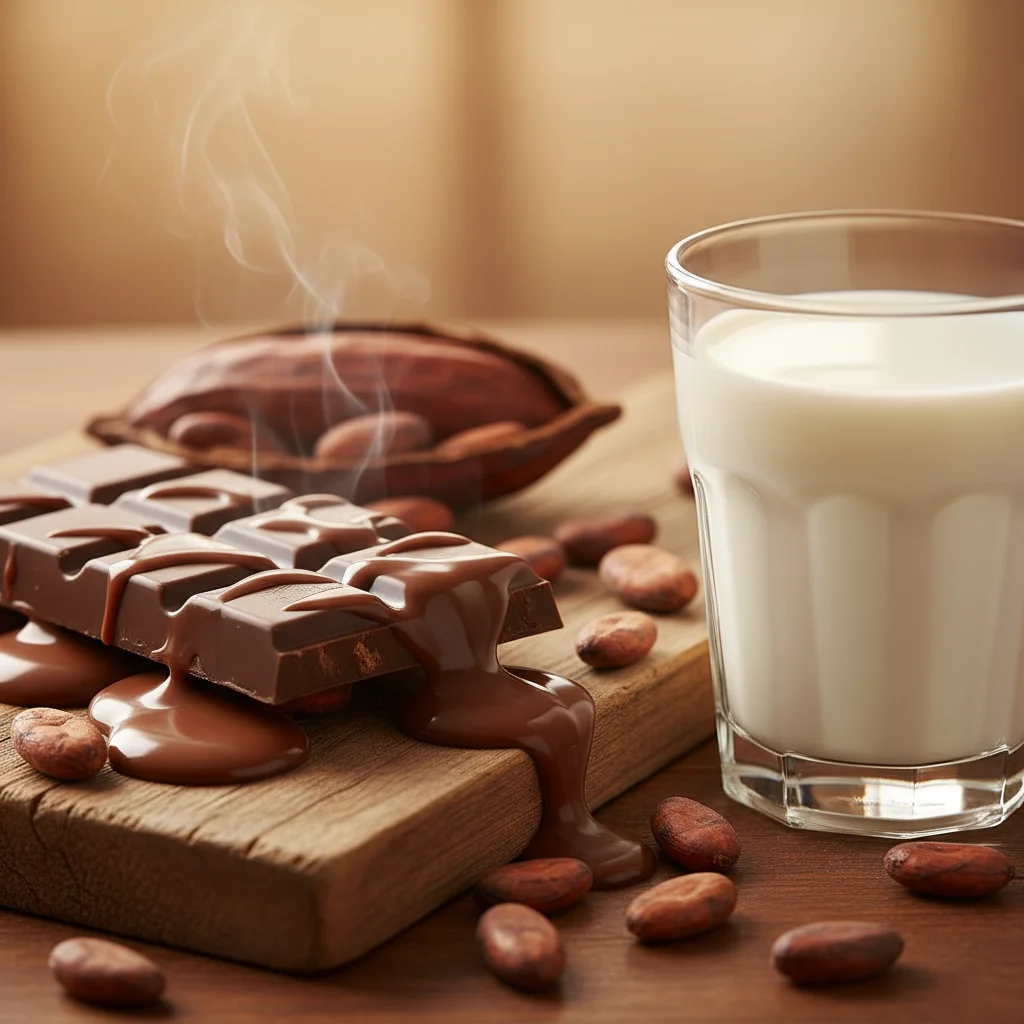
There’s something about milky choco that just hits different. You unwrap the bar. You snap off a square. You rest it on your tongue. And within seconds, it melts into this warm, velvety coating that covers your whole palate. That moment? That’s exactly why people keep coming back to it every single day.
What is Milky Choco?
Milky choco is a sweet confectionery product made from cocoa solids, cocoa butter, sugar and milk solids. It’s the most universally loved chocolate type in the world. The milk content gives it that soft texture and mellow flavor profile that makes it so comforting to eat.
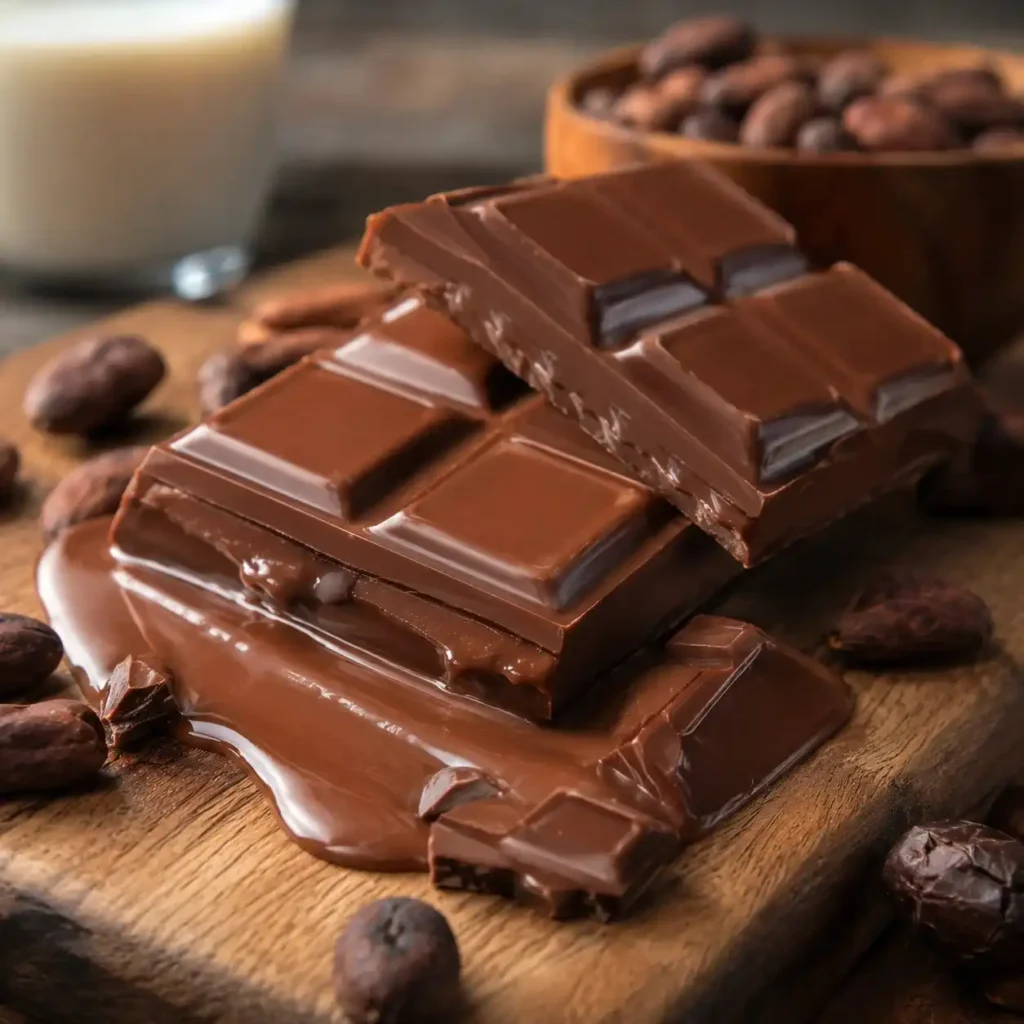
It’s not dark chocolate. It’s not white chocolate either. It sits right in the middle. Creamy, sweet, smooth and incredibly easy to enjoy. You don’t need to be a chocolate expert to love it. You just need a sweet tooth.
How It Differs from Dark and White Chocolate
| Feature | Milky Choco | Dark Chocolate | White Chocolate |
|---|---|---|---|
| Cocoa Solids | 10–40% | 50–90% | 0% |
| Dairy Content | High | Low to none | High (cocoa butter only) |
| Sweetness | High | Low to medium | Very high |
| Bitterness | Mild | Strong | None |
| Mouthfeel | Soft, creamy | Firm, brittle | Very soft, waxy |
| Best Use | Snacking, baking | Baking, health | Coatings, desserts |
Dark chocolate has a roasted, earthy base and a bitter bite. White chocolate skips cocoa solids entirely and uses only cocoa butter with sugar and dairy. Milky choco blends cocoa flavor with rich dairy richness for a balance that most people find flawless.
Why It’s So Popular Worldwide
It tastes good to almost everyone. You don’t have to acquire a taste for it. It’s also engineered by confectioners to be universally appealing. That’s not an accident. It’s a flawless balance that took decades of product refinement to get right.
And you’ll find it at the grocery store, the pharmacy, the gas station checkout counter and everywhere. That accessibility keeps it dominant in global markets. Consumers worldwide gravitate to it as their go-to treat. For more on why certain flavors dominate worldwide, check out flavorsuggest.co.
Milky Choco Ingredients and Composition
1. Core Ingredients Breakdown
Every milky choco product starts with a few core things. Cocoa solids and cocoa butter come from cacao tree seeds. The cacao beans are ground and roasted into cocoa liquor and cocoa mass. Sugar is added in heavy amounts to create that sweet profile. Then comes the dairy richness. Milk powder or condensed milk blends into the mix to give it that signature creamy texture.
The fat content matters a lot here. Cocoa butter is the natural fat from the cacao bean. It’s what gives milky choco its smooth snap and clean melt. Without it, the texture would feel waxy or off.
2. Cocoa Percentage and Quality
The cocoa percentage in milky choco usually falls between 10% and 40%. The FDA requires at least 10% cocoa content for a product to be labeled milk chocolate, according to FDA standards. The higher the cocoa percentage, the deeper the flavor. Lower percentages produce a sweeter, more candy-like result.
Premium options often push toward the 40% range. Mass-market brands tend to stay closer to the minimum. The ratio of cocoa to dairy is what separates a mild, sweet bar from one with actual cocoa character.
3. Emulsifiers and Flavor Enhancers
Milky choco often contains more than just the basics. Many commercial brands use vegetable oils or palm oil to replace some of the cocoa butter. This lowers cost but changes the mouthfeel. You might notice a slightly waxy or thick feel in cheaper products.
Emulsifiers like lecithin help the fat and water-based ingredients blend together. Artificial flavors and vanilla beans or vanilla extract are also common additions. Vanilla smooths out the cocoa flavor and adds warmth to the taste. Grade-quality ingredients make a big difference in the final bar.
Taste Profile and Sensory Experience
The texture is soft, creamy and thick. It almost doesn’t require chewing. It simply warms in your mouth and transforms into a thick, smooth liquid. That immediate mouthfeel is why eating milky choco delivers such fast satisfaction.
You’ll find the texture ranges from soft and waxy in standard bars to firm and slightly brittle in higher-quality options with more cocoa butter. The mouthfeel is one of the biggest things people obsess over when they describe their favorite milky choco bar.
The flavor is layered. You get a clean, warm sweetness first. Then the mild cocoa flavor comes through underneath. Then a caramelized, toasted quality right at the end. It’s similar to condensed milk sweetness but with a pure chocolate base running through it.
This balance is what separates milky choco from candy. There’s actual cocoa flavor present. It just doesn’t dominate. The sweetness of caramelized sugar and milk solids keeps things gentle and comforting throughout every bite.
Nutrition Facts of Milky Choco
Milky choco is calorie-dense. A standard bar typically carries significant amounts of sugar and fat. Most of the fat comes from cocoa butter and milk fat. The sugar content is high because that’s what gives it the sweet profile everyone loves.
Per 100g, you’re looking at roughly 500–550 calories depending on the brand. Sugar usually accounts for 50–55g per 100g in mass-market bars. Fat content often sits around 30–32g. This is mostly saturated fat from dairy and cocoa butter.
Milky choco actually has some protein. The milk solids in the blend contribute a small amount, usually around 6–8g per 100g. It’s not a protein source by any stretch, but it’s more than dark chocolate provides in the dairy department.
Milky choco contains small amounts of minerals. Calcium from dairy content. Iron and magnesium from cocoa solids. These are present but in modest amounts.
Types and Variations of Milky Choco
1. Milk Chocolate Bars
The classic format. A solid bar of milky choco. You snap off squares and eat it plain. This is still the most popular format worldwide. From standard grocery store brands to premium artisanal options, the bar remains the gold standard.
2. Filled and Stuffed Chocolates
Truffles, caramel-filled squares, hazelnut centers. The milky choco shell coats a filling and creates a completely different eating experience. The outer shell snaps, then the filling hits, then both flavors blend together. It’s a more complex version of the basic bar.
3. Milky Chocolate Drinks
Hot chocolate made with milky choco is a completely different experience from cocoa powder drinks. When you melt actual milky choco into hot milk, the result is thick, rich and deeply creamy. It’s a beverage upgrade worth trying. Some people add a shot of espresso for a mocha effect that’s genuinely delicious.
How Milky Choco Is Made
1. Cocoa Bean Processing
It starts at the cacao tree. The cacao seeds are harvested, fermented, dried and then roasted. Roasting develops the characteristic roasted cocoa flavor. After roasting, the beans are ground into cocoa liquor. This is the raw base of all chocolate.
2. Mixing, Conching and Refining Process
The cocoa mass gets combined with sugar, cocoa butter and milk powder. Then the whole mixture goes through a process called conching. Conching is long, slow mixing and aerating that smooths out the texture and develops flavor. The longer the conching, the smoother the result.
Refining rolls the mixture between metal rollers to reduce particle size. Smaller particles create a silkier mouthfeel. This step separates a smooth premium bar from a gritty lower-quality one.
3. Milk Integration Techniques
Milk can enter the process as milk powder, condensed milk or fresh milk that gets evaporated during processing. Each method produces slightly different flavor results. Condensed milk adds a sweeter, slightly caramelized note. Milk powder creates a cleaner dairy flavor.
4. Final Molding and Packaging
The finished chocolate blend gets tempered. Tempering is the process of carefully heating and cooling chocolate to specific temperatures so the cocoa butter crystallizes in the right form.
Good tempering creates that satisfying snap when you break the bar. Bloom, which is that white or gray film you sometimes see on chocolate, happens when tempering goes wrong or when moisture or heat disturbs the cocoa butter crystal structure.
After tempering, the liquid chocolate pours into molds and cools into bars. Then it gets wrapped and packaged.
Popular Uses of Milky Choco
Snacking and Everyday Consumption
This is the primary use. You eat it as a plain afternoon snack. You take it on the go. You keep a bar in your bag or desk drawer. The immediate gratification it provides makes it a reliable everyday treat that fits almost any routine.
Baking and Desserts
Milky choco is a workhorse ingredient in baking. You chop it and fold it into cookie dough for baking chips. You melt it for truffles, cake pops and coatings. You use it to coat fruit, pretzels and marshmallows. You incorporate it into frostings and candy-making.
Milky choco melts smoothly in a double boiler and creates a glossy shell when tempered correctly. It’s a reliable baking ingredient that gives desserts a creamy sweetness that darker chocolate doesn’t deliver.
Beverages and Milkshakes
Melt milky choco into hot milk for hot chocolate. Blend it into cold milk for a milkshake. Add it to espresso for a mocha. Use it in hot chocolate mixes or beverage creation at home. The dairy-forward composition makes it blend into milk-based drinks exceptionally well.
Gift and Festive Use
Milky choco is the default gift chocolate. Boxes of filled milky chocolates dominate festive occasions. Valentine’s Day, Christmas, Eid and birthdays all see milky choco in gift format. The universally loved nature of the flavor makes it a safe and satisfying choice for giving.
Buying Guide for Milky Choco
How to Read Labels
Start with the cocoa percentage. Higher is better for flavor. Then check the fat content. If you see cocoa butter listed as the only fat, that’s a good sign. If you see palm oil or vegetable oils listed before cocoa butter, that’s a cost-cutting move.
Check the ingredient list length. A shorter list usually means fewer artificial flavors and additives. Also look for whether vanilla is listed as vanilla extract or artificial flavor. Real vanilla beans and grade-quality vanilla extract make a difference.
Choosing Quality Brands
European brands, especially Belgian and Swiss, tend to use higher cocoa percentages and natural ingredients. They also go through longer conching times. Artisanal bulk wafers from specialty stores are excellent for baking use.
For snacking, premium options available online through platforms like Amazon offer access to brands that don’t appear in standard grocery stores. Commercial brands from your gas station checkout counter serve a different purpose. They’re convenient and consistent but rarely exceptional.
You can find detailed flavor reviews and ingredient comparisons at flavorsuggest.co before you buy.
Fun Facts and Consumer Insights
Global Consumption Trends
Milk chocolate dominates the global chocolate market. It outsells dark and white chocolate combined in most countries. Western Europe and North America are the largest consumers but demand is growing in South Asia and Southeast Asia as well.
The 2024 agricultural data from the USDA confirms continued growth in the confectionery category globally. Premium options are gaining market share as consumers become more ingredient-aware and willing to pay more for quality.
Psychological Appeal of Milk Chocolate
There’s a reason milky choco is described as comforting. The combination of sugar, dairy fat and cocoa triggers pleasure pathways in the brain. The sweetness delivers immediate reward. The creamy texture provides physical comfort. The warm aroma signals safety and indulgence.
The National Institutes of Health has published reports confirming the mood-related effects of chocolate consumption. People genuinely feel better after eating it in modest amounts.
The sensory experience of milky choco is one of those physical feelings in food that people obsess over. It stands in an entirely own league when it comes to pure, approachable pleasure.
Interesting Production Facts
A single standard chocolate bar requires dozens of cacao beans. The cacao tree produces pods year-round but harvesting is labor-intensive. Most cacao is grown in West Africa, with Ivory Coast and Ghana as the dominant producers.
The conching process was invented in the 1800s and revolutionized chocolate texture. Before conching, chocolate was gritty and unpleasant. The smooth, creamy texture we associate with Milky Choco today is entirely a result of that manufacturing breakthrough.
Frequently Asked Questions About Milky Choco
What’s the difference between milk chocolate and milky choco?
Milky choco is simply the popular shorthand for milk chocolate. They describe the same product: chocolate made with cocoa solids, cocoa butter, sugar and milk solids in a blend that produces a sweet, creamy bar.
Is milky choco bad for you?
In moderation, no. The sugar and saturated fat content mean you shouldn’t eat large amounts daily. But a small piece as a treat is fine for most healthy adults. Think of it as pure, comforting indulgence rather than a health food.
Can you bake with milky choco?
Yes, absolutely. You can melt it for coatings, fold it into cookie dough as baking chips, use it for truffles and cake pops and blend it into frostings. Just melt it low and slow over a double boiler. Direct heat will ruin the texture.
What causes the white coating on chocolate?
That’s bloom. Either fat bloom from temperature changes or sugar bloom from moisture. It’s not mold. The chocolate is still safe to eat, just a little less appealing in texture and appearance.
Where can I find premium milky choco brands?
You’ll find European and artisanal options at specialty stores. Online platforms like Amazon carry brands that don’t appear in your local grocery store. And for flavor comparisons and buying tips, check out flavorsuggest.co.
What cocoa percentage is best in milky choco?
Anything above 30% cocoa solids gives you a noticeably better flavor than minimum-requirement bars. Look for 35–40% if you want a milky choco that has real cocoa character without going into dark chocolate territory.
Sources: USDA agricultural data 2024 (usda.gov), FDA food standards (fda.gov), National Institutes of Health published reports (nih.gov)