Poppy Seeds: Benefits, Recipes, Flavor and Buying Guide 2026
Poppy seeds are tiny but mighty. You have probably seen them on bagels, muffins and cakes. But there is so much more to these little seeds than just a topping. They have a rich history, great flavor, solid nutrition and real culinary value. Whether you are a home cook or a curious food lover, We have covered everything you need to know about poppy seeds.
What Are Poppy Seeds?
Poppy seeds are edible seeds from the plant Papaver somniferum. They are classified as oilseeds because of their high oil content. People have been eating them for thousands of years across many cultures.
They are tiny, dried and kidney-shaped. You use them in baking, cooking and as a garnish. They are completely safe to eat and widely enjoyed around the world.
What Are Poppy Seeds Made From?
Poppy seeds come directly from the seed pods of the poppy plant. After the flower petals fall off, a green pod forms. Inside that pod are hundreds of tiny seeds. Once the pod dries out, it is harvested and the seeds are collected. The outer hull is firm and crisp. That rigid hull gives the seed its satisfying crunch.
Where Do Poppy Seeds Come From?
Most poppy seeds are imported from countries like the Czech Republic, the Netherlands, Turkey and India. They are a staple in European and Asian cuisines. In the United States, you mostly find them in the baking aisle of grocery stores. You can also find them in bulk food sections or health food markets.
How Poppy Seeds Are Harvested
Farmers harvest poppy seeds after the green pods dry on the plant. The pods are collected and then processed to release the seeds inside. Commercial processing standards involve washing the seeds to reduce contamination from plant debris and ensuring culinary safety.
Washed seeds go through washing protocols before packaging. Unwashed and raw varieties also exist, though commercial brands typically follow strict processing standards.
Why Poppy Seeds Are Used in Cooking
Poppy seeds have a mild, nutty, slightly earthy flavor. They add crunch and flavor depth to both sweet and savory dishes. Bakers and chefs love them for the texture they bring to doughs, sauces and baked goods. They also have visual appeal. Those tiny black specks on a golden muffin or bread crust look great and taste even better.
Poppy Seed Varieties Around the World
Not all poppy seeds look the same. There are a few different types.
Blue Poppy Seeds
These are the most common type in European and American baking. They are actually a deep slate-blue color, not true black. You find them on bagels, rolls and cakes. They have a nutty, mild taste and a satisfying crunch.
White Poppy Seed
White seeds are popular in Indian cuisine. They are smaller and have a slightly milder flavor. They work great in curries, gravies and pastes. They blend easily into sauces and add a subtle creaminess.
Black Poppy Seed
These are more common in Middle Eastern and South Asian cooking. They tend to have a slightly stronger, earthier flavor. They look striking on flatbreads and savory dishes.
Specialty and Heirloom Varieties
Some farmers grow specialty and heirloom poppy varieties. These have unique flavor profiles and may be harder to find in regular grocery stores. You might spot them at specialty food shops or farmers markets.
Poppy Seeds Taste, Flavor and Texture
What Do Poppy Seeds Taste Like?
Poppy seeds have a mild, nutty flavor. There is a hint of earthy depth and subtle sweetness. Some people pick up notes of dark roasted wood or toasted almond.
The taste is similar to roasted walnuts but lighter. It is not overpowering at all. That mild flavor is exactly why they work in so many recipes.
Raw vs Toasted Poppy Seeds
Raw poppy seed are good. Toasted ones are better. When you toast them, volatile aromatic compounds are released. The roasted aroma becomes richer and more complex. The crunch factor also improves.
Toasting before baking brings out the best flavor. Do not skip this step if you want maximum flavor depth.
Flavor Notes and Aroma Profile
The sensory profile of poppy seed is layered. You get a roasted aroma upfront. Then comes the nuttiness and earthy depth. There is a warm earth quality that pairs beautifully with lemon. That acidic bite from citrus balances the subtle sweetness of the seeds perfectly. That is why lemon and poppy seed is such a classic combo.
Why Poppy Seed Add Crunch to Foods
The crisp shell of each seed gives a physical pop when you bite into it. That sharp crunch is a huge part of the eating experience. The crunchy shell contrasts with the soft texture of bread or cake.
That texture contrast makes every bite more interesting. It is an interactive eating experience that people genuinely enjoy.
How Freshness Affects Taste
Fresh poppy seeds taste clean and nutty. Stale seeds taste flat or even rancid. Why? Because they have high oil content. Over time, those fats oxidize. When oils go rancid, the flavor turns bitter and unpleasant.
Always buy fresh seeds and store them properly. We will cover storage in detail later.
Foods That Pair Well With Poppy Seeds
Poppy seeds are incredibly versatile. They pair well with lemon, honey, cream cheese, yogurt and citrus fruits. They work in both sweet and savory dishes.
Citrus pairing is a classic because the acidic bite cuts through the earthy depth. Poppy seeds also go great with chicken, noodles, salad dressings and pastries.
Poppy Seeds Nutrition Facts
Poppy seed pack a surprising amount of nutrition into their tiny size.
Calories and Macronutrients
One tablespoon of poppy seed has about 46 calories. They contain healthy fats, dietary fiber and a decent amount of protein. They are oil-rich seeds, meaning fats make up a large portion of their calorie content.
Healthy Fats in Poppy Seed
Poppy seeds are loaded with natural oil. Most of those fats are polyunsaturated and monounsaturated. These are the good fats that support heart health. The high fat content also contributes to their rich flavor and the rancidity risk if stored poorly. Check nutrition guide for more details.
Protein Content
Poppy seed have a modest protein content. About 1.6 grams of protein per tablespoon. They are not a primary protein source, but they do contribute to your daily intake when added to meals regularly.
Dietary Fiber Content
The dietary fiber in poppy seed supports digestion. Fiber feeds your gut bacteria and helps keep things moving. Even a small serving adds useful fiber to your day.
Vitamins Found in Poppy Seeds
Poppy seed contain small but meaningful amounts of B vitamins. These support energy and metabolism. They also contain vitamin E, which has antioxidant properties.
Minerals Found in Poppy Seed
This is where poppy seed really shine. They are loaded with trace minerals.
| Mineral | Role in the Body | Contribution from Poppy Seed | Key Insight |
|---|---|---|---|
| Calcium | Supports bone density, teeth strength, muscle contraction, and nerve signaling | One of the better plant-based calcium sources | Useful for supporting skeletal health, especially in plant-based diets |
| Magnesium | Involved in hundreds of enzymatic reactions including energy production, muscle relaxation, and nerve function | Present in solid amounts contributing to daily intake | Helps overall metabolic function and reduces muscle fatigue |
| Iron | Essential for red blood cell formation and oxygen transport throughout the body | Contains moderate iron content | Supports energy levels and helps prevent iron-deficiency issues in low-meat diets |
| Zinc | Supports immune system strength, wound healing, and cellular repair | Small but meaningful amount present | Contributes to immunity and recovery functions in the body |
Health Benefits of Poppy Seeds
Bone Health Benefits
Thanks to calcium, magnesium and phosphorus, poppy seeds support bone health. They are not a miracle food. But adding them regularly to your diet does contribute to stronger bones over time.
Digestive Health Support
The dietary fiber in poppy seeds feeds your gut. A healthy gut means better digestion, reduced bloating and improved nutrient absorption. Regular fiber intake supports a healthier digestive tract overall.
Heart Health Benefits
The healthy fats in poppy seeds are good for your heart. Polyunsaturated fats can help manage cholesterol levels. Combined with fiber, poppy seeds can be a small but helpful part of a heart-healthy diet.
Antioxidant Properties
Poppy seeds contain compounds with antioxidant properties. Antioxidants fight oxidative stress in the body. Over time, lower oxidative stress means a reduced risk of chronic disease.
Energy and Metabolism Support
B vitamins in poppy seeds help your body convert food into energy. If you are looking for a natural energy support, incorporating seeds like these into your meals is a smart move.
Benefits for Skin and Hair
The natural oil in poppy seeds is used in some skincare and hair care products. The high fat content and minerals support skin hydration and hair strength. Eating them regularly may contribute to healthier skin and hair from the inside out.
Role in Traditional Wellness Practices
Poppy seeds have been used in traditional wellness practices across cultures for centuries. In Ayurveda and traditional Eastern European medicine, they were used for calming effects and digestive support. Always consult a health professional before using any food medicinally.
Are Poppy Seeds Good for Weight Management?
Poppy seeds are calorie-dense, so portion control matters. However, their fiber and healthy fat content can support satiety. Feeling fuller for longer may help you manage your overall calorie intake. Use them as a topping or ingredient, not as a primary food.
How to Use Poppy Seeds in Cooking
Using Poppy Seeds in Baking
Baking is the most popular culinary use for poppy seeds. They add crunch, flavor and visual contrast to baked goods. You can fold them into doughs, batters and fillings. The oven heat helps develop their roasted flavor even without pre-toasting.
Using Poppy Seeds in Bread and Bagels
Sprinkle them on bread crusts before baking. They stick beautifully and add that iconic crunchy topping. Poppy seed bagels are a classic. The seeds get slightly toasted during baking and add a satisfying nuttiness.
Using Poppy Seeds in Cakes and Muffins
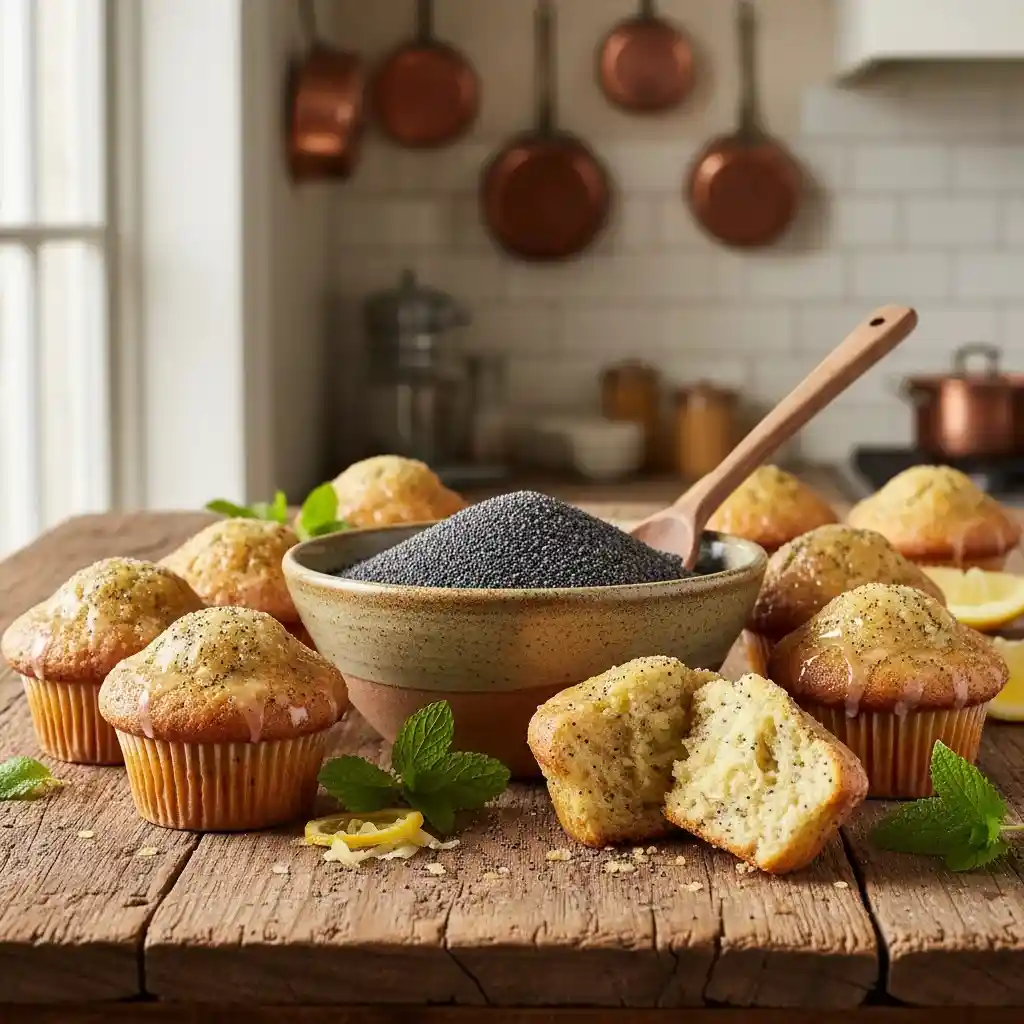
Lemon poppy seed muffins are probably the most famous baked treat featuring these seeds. They add visible specks, crunch and flavor depth. Fold them directly into the batter for even distribution. Yellow cake with poppy seeds has a lovely look and texture contrast.
Using Poppy Seeds in Cookies and Pastries
Add them to shortbread cookies, sugar cookies or sweet pastries. They complement buttery, sweet flavors beautifully. Eastern European pastries often use a sweet poppy seed paste as a filling. It is incredibly good.
Using Poppy Seeds in Salads
Toss poppy seeds over green salads for a crunchy topping. They pair well with fruit-based salads too. The crunch factor adds an eating satisfaction that plain salads often lack.
Using Poppy Seeds in Dressings
Poppy seed dressing is a staple in American cooking. It is creamy, tangy and slightly sweet. The seeds add texture and visual appeal to an already delicious dressing. Pour it over spinach or coleslaw for a classic combo.
Using Poppy Seeds in Smoothies and Yogurt
Stir them into yogurt for added crunch and nutrition. You can blend a small amount into smoothies too. They add trace minerals and healthy fats without changing the flavor much.
Using Poppy Seeds as a Garnish
Sprinkle them on top of dishes just before serving. They look great on hummus, avocado toast, crackers and dips. The contrast of black specks against a pale background is visually striking.
Making Homemade Poppy Seed Paste
Grind poppy seeds in a blender or food processor until a thick paste forms. Add honey, sugar or milk to sweeten. This paste is the traditional filling in Eastern European desserts like kolache and strudel. It is rich, dense and deeply flavorful.
Best Poppy Seed Recipes
1. Lemon Poppy Seed Muffins
Mix flour, sugar, eggs, oil, lemon zest, lemon juice and poppy seeds. Bake at 375F until golden. The citrus pairing with the nutty seeds is a bakery favorite. These are light, moist and irresistibly good.
2. Lemon Poppy Seed Loaf
Same flavor profile as the muffin but in loaf form. Great for slicing and sharing. Add a lemon glaze on top for extra citrus punch. A perfect baked treat for guests or meal prep.
3. Poppy Seed Cake
A classic European-style cake with poppy seed filling between soft cake layers. Rich, nutty and not overly sweet. It is a comfort food staple in countries like Hungary and Poland.
4. Poppy Seed Cookies
Thin, crispy shortbread cookies studded with poppy seeds. Simple to make and incredibly satisfying. The crunch factor here is exceptional.
5. Poppy Seed Bagels
Top raw bagels with poppy seeds before boiling and baking. The seeds get crispy and slightly toasted. Pair with cream cheese for a classic bagel experience.
6. Poppy Seed Dressing
Whisk together mayo or yogurt, honey, apple cider vinegar, onion and poppy seeds. Pour over salads or use as a dip. It is creamy, bright and delicious.
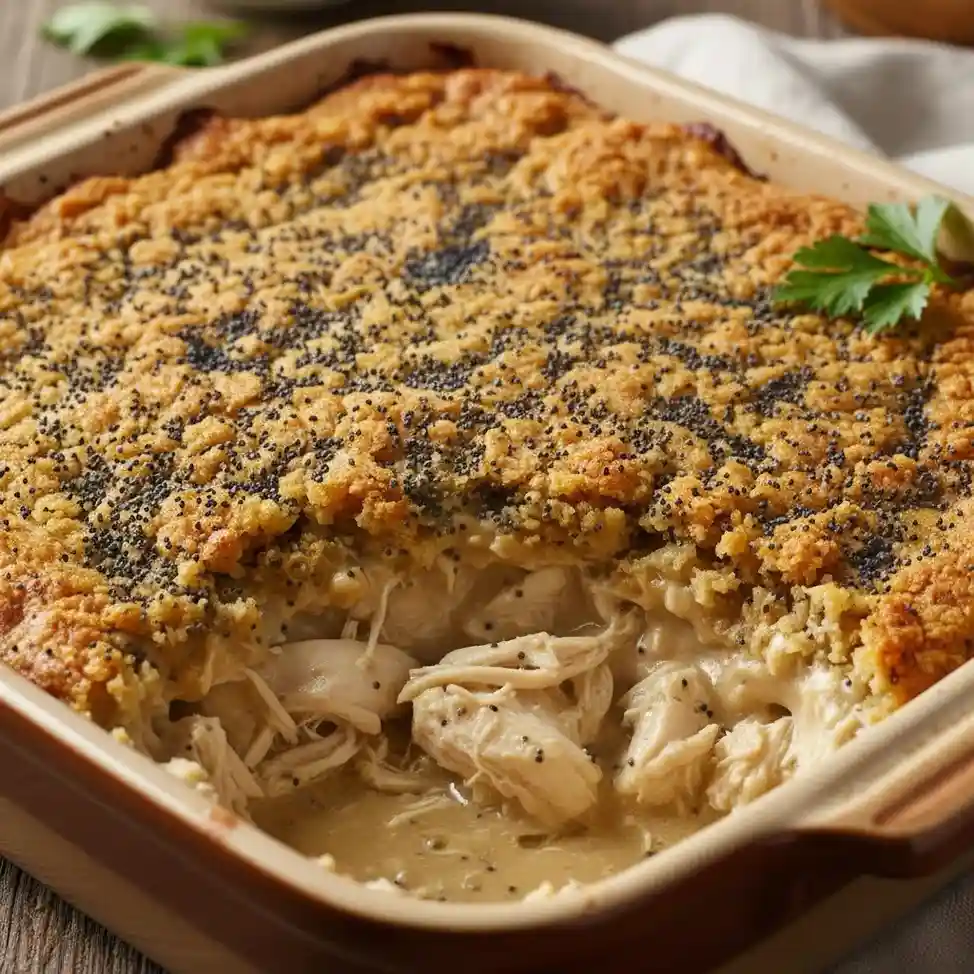
7. Poppy Seed Chicken
Poppy seed chicken is a classic American casserole. It features shredded chicken in a creamy sauce with a cracker crust topped with poppy seeds. It is a rustic dish and total comfort food. Great for weeknight dinners.
8. Poppy Seed Rolls
Soft, fluffy dinner rolls topped with a generous sprinkle of poppy seeds. Brush with butter before baking for a golden, crispy crust.
9. Sweet Poppy Seed Pastries
Traditional European pastries filled with sweet poppy seed paste. Think strudel, hamantaschen and kolache. These are desserts that have been passed down through generations. Rich and deeply satisfying.
10. Poppy Seed Noodles
A Central European comfort dish. Cook egg noodles and toss with butter, sugar and ground poppy seeds. Simple, filling and surprisingly delicious. Great as a savory dinner dish or even dessert.
11. Traditional European Poppy Seed Desserts
Eastern European baking relies heavily on poppy seeds. From Polish makowiec to Romanian cozonac, these desserts celebrate the earthy, sweet flavor of the seeds in their purest form.
Poppy Seed in International Cuisine
European Baking Traditions
In Europe, especially Central and Eastern Europe, poppy seed are a baking staple. They appear in breads, cakes, rolls and pastries.
American baking traditions borrowed from this and now poppy seed are common in bakeries across the US too.
Eastern European Poppy Seed Desserts
Countries like Poland, Hungary, the Czech Republic and Austria have a long history of poppy seed desserts. These are usually made with a sweet poppy seed filling made from ground seed, sugar and milk. Rich, dense and deeply flavorful.
Indian White Poppy Seed Recipes
In Indian cuisine, white poppy seed are called khus khus. They are used in curries, kormas and gravies. Soaked and ground white seeds create a creamy paste that thickens sauces beautifully. They add a rich, mild flavor to savory dishes.
Middle Eastern Uses of Poppy Seeds
Black poppy seeds appear on flatbreads and crackers in Middle Eastern cooking. They are often combined with sesame seed and other spices. Za’atar blends sometimes include poppy seeds for added texture and flavor.
Modern Culinary Applications
Today, chefs are using poppy seed in new ways. Think poppy seed-crusted salmon, poppy seed vinaigrettes and even poppy seed-infused oils. Modern culinary applications are taking these ancient seed into new territory.
Poppy Seeds vs Other Popular Seeds
| Comparison | Poppy Seeds | Chia Seeds | Sesame Seeds | Flax Seeds | Hemp Seeds |
|---|---|---|---|---|---|
| Texture | Crisp, crunchy, stays firm after baking | Gel-like texture when wet | Slightly crunchy, larger than poppy seeds | Hard shell, often ground for use | Soft, creamy texture |
| Flavor | Mild, nutty, subtle, baking-friendly | Neutral taste | Strong, nutty, more pronounced | Slightly bitter, earthy | Mild, creamy, slightly nutty |
| Best Use | Baking, desserts, muffins, breads | Puddings, smoothies, hydration recipes | Savory dishes, toppings, stir-fries | Health mixes, baking (ground), smoothies | Protein boosts, salads, smoothies |
| Nutritional Strength | Calcium, trace minerals, dietary fiber | Omega-3 fatty acids, fiber | Healthy fats, minerals | Omega-3 fatty acids, fiber | High protein, healthy fats |
| Omega-3 Content | Low | High | Moderate | Very high | Moderate |
| Protein Content | Low–moderate | Moderate | Moderate | Moderate | High |
| Culinary Advantage | Maintains crunch, enhances baked goods without altering flavor | Thickens liquids, adds gel structure | Strong flavor enhancement in savory dishes | Nutrient-dense, best when ground | Creamy texture + protein boost |
| Baking Performance | Excellent (best crunch + stability) | Poor (changes texture to gel) | Good (stronger flavor impact) | Fair (best when processed) | Fair |
| Overall Role | Flavor + texture enhancer in baking | Functional thickener + nutrition boost | Flavor-forward topping | Nutritional supplement seed | Protein-rich functional seed |
| Key Insight | Best seed for baking balance (taste + crunch) | Best for hydration-based foods | Best for savory flavor intensity | Best for omega-3 nutrition | Best for protein density |
Poppy Seed Substitutes
Best Substitutes for Poppy Seeds
You have several good options depending on what you need from them.
Sesame Seeds as a Substitute
Sesame seed are the closest in appearance and behavior. They toast well, add crunch and look similar on baked goods. The flavor is slightly stronger but works in most recipes.
Chia Seeds as a Substitute
Chia seed work for nutrition swaps. However, they become gelatinous when wet. That changes the texture. They are better for smoothies and yogurt rather than baked goods.
Flax Seeds as a Substitute
Ground flax seeds can replace poppy seeds in some recipes. The flavor is nuttier and slightly bitter. Use a small amount to avoid overpowering the dish.
Sunflower Seeds as a Substitute
Sunflower seeds are much larger. Chop them finely if using as a substitute. They add crunch and a mild nutty flavor. Best used in savory dishes.
Choosing the Right Alternative
Think about what role the poppy seed are playing. Is it texture? Go for sesame. Is it nutrition? Try chia or flax. Is it appearance? Sesame is your best bet. Match the function first.
How to Buy Poppy Seeds
What to Look for When Buying
Look for seeds that are clean, dry and uniform in color. They should smell fresh and slightly nutty. Avoid seeds that smell rancid or musty. Freshness is everything with high oil content seeds.
Whole vs Ground Poppy Seeds
Whole seeds last longer and have more crunch. Ground seeds release more flavor and are better for fillings and pastes. Buy whole seeds and grind them yourself at home for the best results.
Organic vs Conventional Poppy Seeds
Organic poppy seeds are grown without synthetic pesticides. If you use them regularly organic is a safer choice. Conventional seeds from good commercial brands are also fine and usually go through standard safety checks.
Bulk vs Packaged Poppy Seeds
Buying in bulk online or from bulk food sections is cost-effective. Large bags give you a fresh supply for baking regularly. Small jars from the spice aisle are convenient but pricier per ounce.
Where to Buy Poppy Seeds
You can find poppy seeds at grocery stores in the baking aisle. Health food markets and bulk food sections often have them too. Buying online through Amazon or specialty importers gives you access to larger quantities. FlavorSuggest at www.flavorsuggest.co is a great place to explore flavor profiles and get more buying guidance.
How to Identify Fresh Poppy Seeds
Fresh seeds smell nutty and clean. They should look slate-blue or white depending on the variety. There should be no clumping, moisture or off smells. If they smell like paint or oil gone bad, they are rancid.
How to Store Poppy Seeds
Proper Storage Methods
Keep poppy seeds in an airtight container. Away from heat, light and moisture. A cool, dark pantry or kitchen cabinet works fine for short-term storage.
Refrigerating Poppy Seeds
Storing in the refrigerator extends freshness significantly. The cold temperature slows down the oxidizing process. Use a sealed container to prevent moisture from getting in.
Freezing Poppy Seeds
You can freeze poppy seeds for long-term storage. They freeze well and thaw quickly. Portion them into small bags before freezing so you only take out what you need.
Shelf Life of Whole Poppy Seeds
Whole poppy seeds last about six months at room temperature. Up to a year in the refrigerator. Up to two years in the freezer. The high fat content means they do not stay fresh indefinitely.
Shelf Life of Ground Poppy Seeds
Ground seeds go rancid much faster. Use them within a few weeks of grinding. Store in an airtight container in the fridge. Grind small batches as needed..
Safety, Drug Testing and Legal Considerations
Are Poppy Seeds Safe to Eat?
Yes. Culinary poppy seeds are safe to eat. They go through commercial processing that meets culinary safety and safety standards. The active alkaloids found in the poppy plant are present in only negligible amounts in properly processed culinary seeds.
Why Poppy Seeds Can Affect Drug Tests
Here is the part that surprises people. Poppy seeds come from Papaver somniferum, the same plant that produces opium. The seeds themselves do not contain significant amounts of opiates. However, contamination during harvesting can leave microscopic remnants of morphine and codeine on the outer hull. These alkaloids can show up on standard drug screening tests.
Can Eating a Poppy Seed Bagel Cause a Positive Test?
Yes, it is possible. One heavily coated bagel or a batch of dough with many seeds can push alkaloid levels above cut-off thresholds for some low-level thresholds at testing facilities. Employment screening and medical screening tests vary in their sensitivity. Some labs use strict thresholds. Others use more lenient cut-off levels. The variance depends on the supplier, agricultural imports and contamination rates.
How Long Before a Drug Test Should You Avoid Poppy Seeds?
Most experts recommend avoiding poppy seeds for at least 48 hours before a drug test. Some sources suggest longer. Pain management clinics and researchers have studied this. The safest approach is simply to avoid them for a few days before any employment screening or medical screening.
Can Dogs Eat Poppy Seeds?
Why Poppy Seeds Are Toxic to Dogs
No. Dogs should never eat poppy seeds. What is negligible for humans is dangerous for animals. Dogs are far more sensitive to the alkaloids in poppy seeds. Even small amounts can cause health issues and toxicity.
Symptoms of Poppy Seed Poisoning
Symptoms of poppy seed poisoning in dogs include lethargy, slowed heart rates and severe digestive distress. You might also see dilated pupils, difficulty walking and tremors. These are serious signs that require immediate emergency care.
What to Do if a Dog Eats Poppy Seeds
Contact your vet immediately. Do not wait for symptoms to worsen. If your vet is not available, call an emergency animal hospital. Time matters with alkaloid exposure in pets.
Veterinary Recommendations
Veterinary safety bulletins advise keeping all poppy seeds and poppy plant debris away from pets. Even small amounts pose a consumption danger and risk of pet safety concerns. Store your seeds in sealed containers out of reach of animals.
Frequently Asked Questions
Are poppy seeds and sesame seeds the same?
No. They come from completely different plants. Poppy seeds come from Papaver somniferum. Sesame seeds come from Sesamum indicum. They taste different, though both are nutty.
Do poppy seeds have opiates in them?
Trace amounts of morphine and codeine can contaminate the outer hull during harvesting. Commercial processing reduces these to negligible amounts. They are safe to eat but can affect sensitive drug tests.
Can I use poppy seeds in smoothies?
Yes. Add a teaspoon to smoothies for extra nutrition. They do not change the flavor much. They blend in easily and add trace minerals and healthy fats.
What is poppy seed paste used for?
It is used as a filling in Eastern European pastries, breads and desserts. It is made from ground poppy seeds mixed with sugar, honey or milk. Rich and delicious.
Where can I find more poppy seed recipes and flavor guides?
Check out www.flavorsuggest.co for more culinary inspiration and flavor suggestions.
References
- FDA.gov – Food Safety and Poppy Seed Guidelines.
- USDA.gov – Nutritional Data for Poppy Seeds.
- NIH.gov – Research on Alkaloid Contamination in Culinary Seeds.
- CSPI (Center for Science in the Public Interest) – Poppy Seed Safety Standards.
- Drug Enforcement Agency (DEA) – Controlled Substances Act and Papaver somniferum.
- FlavorSuggest – www.flavorsuggest.co.