Best Lactose Free Cheese Reviews: Top Types, Taste & Buying Guide
You love cheese. But cheese does not always love you back. That stomach trouble after a slice of pizza or a bowl of mac and cheese is a real thing. The good news is that lactose free cheese exists, It tastes great and there are more options now than ever. Lactose free cheese has come a long way. Whether you want lactose free cheese for pizza, pasta or snacking, you can find a type that works. And most lactose free cheese options today are available in regular grocery stores.
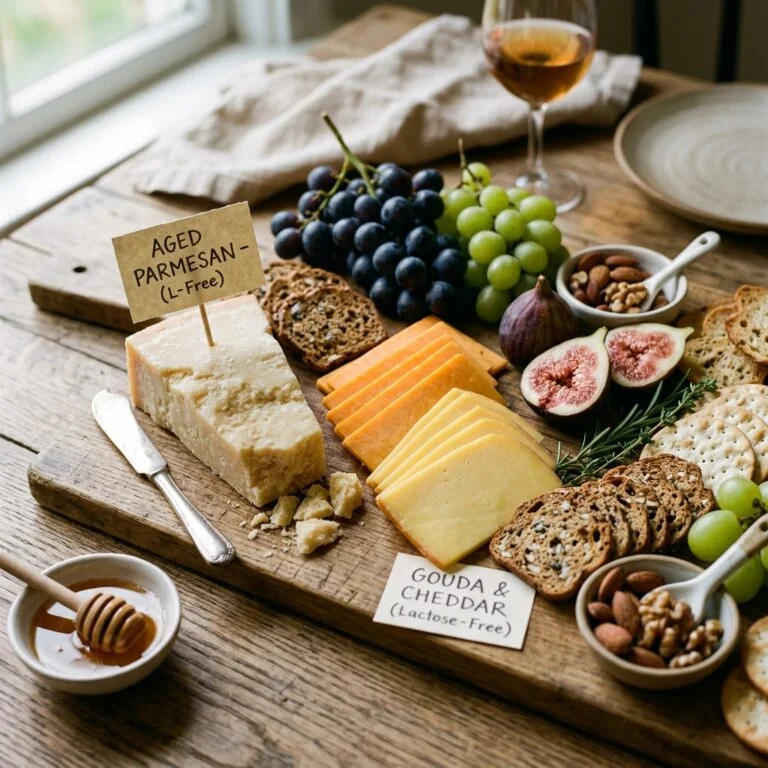
Direct answer: The best lactose-free cheese choices for most people are aged hard cheeses like parmesan, cheddar, Swiss, and gouda. These naturally contain very little lactose and still keep their full, rich flavor.
If you prefer softer cheeses, go for products that are clearly labeled lactose-free such as lactose-free cream cheese, cottage cheese, or ricotta.
Important Note: If you have a milk allergy, lactose-free cheese is still not safe because it contains milk proteins that can cause a reaction.
How Lactose Free Cheese Actually Works
Dairy milk contains a natural sugar called lactose. It is also called milk sugar. Understanding this helps you shop for lactose free cheese more confidently. Lactose-intolerant people cannot break it down properly. That causes the uncomfortable stomach issues you probably know well.
Lactose free cheese handles this in two ways. First, the cheesemaking process drains away the whey. This step alone makes a big difference in lactose free cheese quality. Most of the lactose leaves with the whey. Second, bacteria and cultures continue breaking down the remaining lactose during aging. The longer the aging process, the lower the lactose.
Some products go one step further. They use a lactase enzyme, one of several enzymes used in dairy processing, to break down any leftover lactose completely. This lowers it to 0 grams and means the product contains no lactose at all. That is why you will see “made with lactase enzyme” on certain labels.
So when you eat aged hard cheeses, you are often eating lactose free cheese already without even realizing it.
What Cheese Is Naturally Low in Lactose
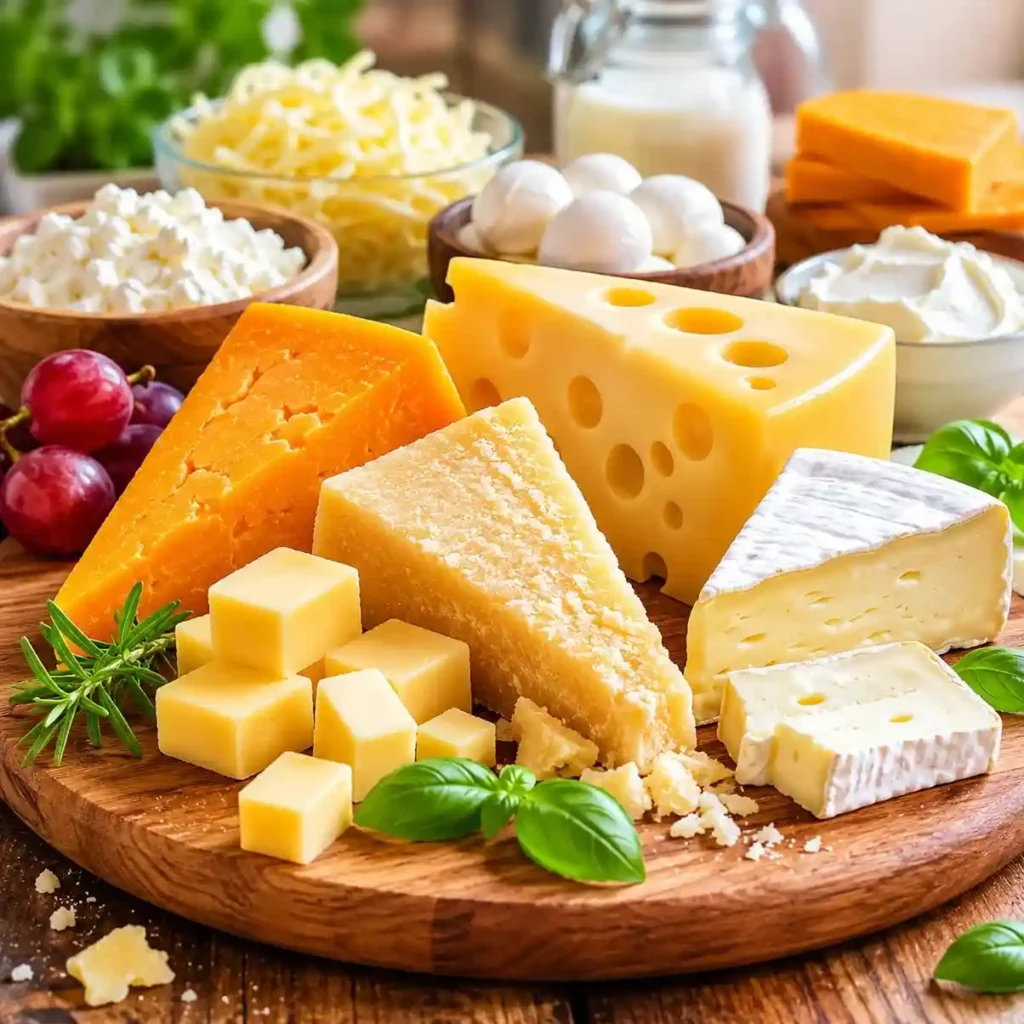
Not every cheese needs special treatment. Some qualify as lactose free cheese naturally just by how they are made.
Here is a quick reference:
| Cheese Type | Lactose Level | Notes |
|---|---|---|
| Aged Parmesan | Virtually 0 grams | Long aging time removes it completely |
| Aged Cheddar | Very low | Harder, older = lower lactose; great lactose free cheese pick |
| Swiss | Very low | Cultures break it down during aging |
| Gouda | Low to very low | Aged versions are the safest choice |
| Fresh Mozzarella | Low but present | Some lactose remains |
| Cream Cheese | Moderate | Look for a labeled lactose-free version |
| Cottage Cheese | Moderate | Soft, fresh cheeses have more lactose |
| Ricotta | Moderate | Same as cottage cheese |
Aged hard cheeses are the easiest dairy cheeses for a sensitive stomach. Fresh cheeses and soft cheeses contain more lactose because the aging process has not had time to lower it.
Is Parmesan Cheese Lactose Free
Yes, aged Parmesan is one of the closest things to a naturally lactose free option you will find. Real Parmigiano Reggiano goes through a long aging time, sometimes 24 months or more. By then the lactose content is so low it barely registers.
Real Parmigiano Reggiano is arguably the most reliable lactose free cheese you can buy at a regular grocery store. If you are checking a label, look for 0 grams of sugar per serving. Sugar on a cheese nutrition label usually points to lactose. Zero sugar is a good clue that lactose has been broken down.
Deli Fresh Parmigiano Reggiano and classic aged wedges are both solid lactose free cheese picks. Pre-grated and grated blends can work too, just watch for anti-caking ingredients that may affect the texture.
Is Mozzarella Cheese Lactose Free
Mozzarella cheese lactose content depends on the type. Low-moisture mozzarella has a lower lactose level than fresh mozzarella balls. The fresh version is still a very low lactose dairy option for many people, but it is not zero.
If you have a sensitive stomach, low-moisture mozzarella is the better pick for pizza night. It melts smoothly, stretches well and the browning on top is perfect. The texture is stretchy when warm and sliceable when cold. For caprese or salads, fresh mozzarella works fine for most people who are mildly lactose intolerant.
If you need a clearly labeled lactose free cheese version of mozzarella, they do exist. Check the front of the package for a clear label.
Lactose Free Cream Cheese, Cottage Cheese and Ricotta
These three are the tricky ones. They are fresh dairy products, not aged. That means the lactose breaking-down process has not had much time to work.
Green Valley Organic Lactose Free Cream Cheese is a well-known option. It uses the lactase enzyme to treat the cream cheese and lower its lactose to 0 grams per serving. The spreadability is smooth. The dairy flavor is rich. It is spreadable, holds its shape well and does not go watery after a day in the fridge. It works on bagels, wraps, frosting and cheesecake without any compromise.
Good Culture Organic Cottage Cheese Lactose Free is another reliable brand. The soft curds, both small curd and large curd options depending on the brand, have a creamy texture. Creamy curds with a mild dairy flavor are what you want here. This lactose free cheese option works great in breakfast bowls, pasta bakes and stuffed shells.
For lactose free ricotta cheese, the cleanest lactose free cheese pick for Italian dishes, look for a labeled product. Regular ricotta has a noticeably higher lactose level than aged cheese. A treated version brings it down so you can use it freely in lasagna, manicotti and baked pasta without worry.
Reading the Label: What to Look For
This part matters a lot. Not every lactose free cheese product is the same and the label tells you most of what you need to know.
Here is what to check:
Nutrition label: Look for 0 grams of sugar per serving. This is your best sign that lactose has been treated or removed.
Ingredient list: A dairy-based version should show milk as the base. These tend to have a cleaner ingredient profile compared to plant-based options. If you see pea protein, coconut oil, potato starch, cashew, almond, soy, oat or gums listed first, it is a plant-based cheese, not real dairy.
Front of package: Look for a clear label that says “lactose-free.” The wording on labeled lactose-free products tends to be direct. Choose clearly labeled lactose-free products when you need certainty.
Package size and form: Some products come as shredded cheese with anti-caking ingredients added. Those do not affect the lactose level but they can affect how the cheese melts. Keep that in mind for cooking.
Is Lactose Free Cheese Dairy Free
No. This is a common question with a clear answer.
Lactose free cheese is made from real dairy milk. It still contains dairy proteins like casein. If you have a milk allergy or follow a vegan diet, lactose free dairy cheese is not safe for you.
Dairy-free cheese means no dairy at all. Those versions use plant-based bases like cashew, almond, oat or soy. They are the right option for vegan meals or people who need to avoid dairy completely.
If you are lactose intolerant but not allergic to milk, lactose free dairy cheese is your best option. You get the real dairy taste and texture without the stomach issues.
Plant-Based Versions vs Dairy-Based Versions
People ask about this a lot. If you are choosing between dairy-based lactose free cheese and a plant-based alternative, here is a quick comparison of how they compare:
| Feature | Dairy-Based Lactose Free | Plant-Based Dairy Free |
|---|---|---|
| Real dairy taste | Yes | Usually flatter flavor |
| Melt and stretch | Creamy melt, stretches well | Often waxy or rubbery |
| Ingredient quality | Milk-based, cleaner profile | Gums, starches, coconut oil |
| Suitable for vegans | No | Yes |
| Suitable for milk allergy | No | Yes |
| Works for lactose intolerance | Yes | Yes |
Plant-based cream cheese and plant-based ricotta have improved a lot. For taste and texture though, dairy-based lactose free cheese still wins for most people who can tolerate very low lactose dairy.
The dairy-based version gives you that familiar flavor and creamy tang. The fresh taste and mild taste of real dairy is something plant-based versions still cannot fully copy. You get a great flavor with a buttery, tangy finish that plant-based options just miss.
Best Uses for Lactose Free Cheese in Cooking
You can use lactose free cheese anywhere you would use regular dairy cheese. It behaves the same way in cooking. Every type of lactose free cheese has its best use case. Pick based on the dish. Here are the best dishes by type:
Lactose free mozzarella works perfectly on pizza, in baked ziti, in casseroles and in caprese. It melts smoothly, holds its stretch and gives you that satisfying chew in every bite. Use it in grilled cheese, sandwiches and burgers too.
Lactose free cream cheese is arguably the most versatile lactose free cheese for baking and spreads. It is great for bagel spreads, cheesecake, frosting, dips, savory dips and spinach dip. It also works as a base for creamy pasta sauce or creamy sauces in general.
Lactose free cottage cheese is another lactose free cheese that shines in breakfast bowls, lasagna, stuffed shells and risotto. The soft curds and creamy texture hold up well in baked dishes.
Lactose free ricotta is the lactose free cheese that belongs in manicotti, baked pasta, pasta bakes and anywhere you want a fluffy spoonable creaminess.
Aged hard cheeses like parmesan add bold flavor to pasta, roasted vegetables, soups and salads. Crumble the crumbly varieties over omelets, crackers and toast for an easy snack. Snacks with parmesan are honestly underrated. Grate them fresh from a wedge for the biggest flavor boost.
Flavor Pairings That Work Really Well
Good cheese deserves good company. Here are pairings that make lactose free cheese even better.
For cream cheese: Try it with smoked salmon, cucumber, everything bagel seasoning, dill or scallions. On the sweet side, jam, honey, cinnamon, berries, peaches or banana all work well.
For mozzarella: Pair it with tomato, basil, pesto, balsamic glaze, roasted peppers or roasted garlic. A little olive oil and black pepper is all you need for a quick caprese.
For ricotta and cottage cheese: Go with lemon zest, honey, berries, pineapple or juicy foods like peaches. For savory meals, roasted broccoli, mushrooms, spinach, arugula and chili flakes all add great depth.
For aged parmesan: It loves acid and heat. Roasted garlic, pickled onions, tomato sauce, black pepper and savory toppings all bring out that nutty, caramel-like, salty flavor.
More flavor ideas for lactose free cheese pairings are available at Flavor Suggest if you want to explore further combinations for your meals.
Buying Lactose Free Cheese Online
Shopping for perishable dairy online needs a little extra care. Here is what to keep in mind.
Check the seller name and seller quality before ordering. Look at recent reviews, not just the overall rating. Warm cream cheese or spoiled cottage cheese from poor cold shipping is a real problem with online grocery delivery.
Amazon carries several types of lactose free cheese products including Green Valley Organic and Good Culture Organic. Check cold shipping details and confirm the delivery date before placing your order. Reliable grocery delivery services with proper shipping methods keep perishable dairy cold during transit.
If the listing does not mention cold shipping or the delivery method is not clear, look for a specialty cheese shop or local grocery delivery that handles lactose free cheese properly.
Current availability for some lactose free cheese products can vary by region, so always check the product page before assuming your favorite is in stock.
What Makes a High-Quality Lactose Free Cheese
Milk source quality matters more than most people realize. Cheese made from high-quality milk from well-managed dairy farms produces better flavor and better texture from the start. Organic milk tends to have a richer fat profile. Grass-fed dairy produces a more complex, buttery baseline flavor. When you are buying a premium lactose free cheese wedge or aged dairy variety, the milk quality is baked into every bite.
Aging duration is your most reliable quality indicator for hard cheeses. A 6-month aged cheddar is good. A 12-month aged cheddar is better. A 24-month aged parmesan is exceptional. Longer aging means lower lactose, deeper flavor, firmer texture, and better shelf stability. Classic aged wedges and specialty cheese retailers typically offer better aging duration than grocery store shredded blends.
Additives and stabilizers reduce quality. A good quality lactose free cheese does not need potato starch, carrageenan, or multiple gums to hold together. Those ingredients exist to compensate for shorter aging, lower quality milk, or manufacturing shortcuts. Fewer ingredients with recognizable names means a better product.
Price vs Quality Analysis
Budget options vs premium aged cheeses: Budget shredded cheddar blends are fine for everyday cooking. They tend to use shorter aging times and add anti-caking ingredients to improve shelf life. The lactose level may be very low but not always certified zero. For everyday cooking, budget lactose free cheese options are acceptable.
Premium aged wedges cost more but deliver on flavor and lactose reduction. A good Parmigiano Reggiano wedge at a specialty cheese counter costs more per gram than pre-grated parmesan in a shaker. But the flavor difference is enormous, the ingredient list is cleaner, and the naturally low lactose level is more reliable.
Value per gram comparison logic: Calculate cost per ounce when comparing lactose free cheese options. A $9 block of aged cheddar that lasts two weeks costs less per use than a $6 shredded bag that you burn through in three days. Aged hard cheeses also tend to have more flavor intensity, so you use less per dish. The bigger upfront cost often delivers better value per meal.
Common Marketing Tricks to Avoid
Misleading “healthy cheese” claims are everywhere. “Reduced fat,” “light,” and “part-skim” do not mean lower lactose. They refer to fat content only. A reduced-fat mozzarella can have the same or more lactose than a full-fat lactose free cheese version than a full-fat version. Do not let health claims on the front of the package distract you from the nutrition label and ingredient list.
Plant-based branding confusion is a growing problem. Terms like “dairy-free,” “vegan,” and “plant-based” are sometimes used on packaging in ways that make products look similar to dairy lactose free cheese.
A product that says “plant-based cheese” is not lactose free cheese in the dairy sense. It contains no dairy. That is fine if you want dairy-free, but confusing if you are looking for real dairy with lactose removed.
Artificial flavor masking happens in some lower-quality plant-based products that use added flavor compounds to simulate the tangy, nutty, or sharp qualities of real dairy. The ingredient list will show “natural flavors” or “yeast extract” doing the work that actual aging and fermentation would do in real cheese.
These products can taste decent in isolation but they do not perform well in cooking. Heat exposes the limitations quickly.
Health, Nutrition and Safety
| Nutrient | Aged Cheddar (Lactose Free) | Regular Cheddar | Plant-Based Cheddar Alternative |
|---|---|---|---|
| Protein per oz | ~7g | ~7g | ~1–3g |
| Fat per oz | ~9g | ~9g | ~6–8g (coconut/nut fat) |
| Calcium per oz | ~200mg | ~200mg | ~100–150mg (often fortified) |
| Lactose | Near zero | ~0.1g | 0g (no dairy) |
Protein content in dairy-based lactose free cheese is identical to regular dairy cheese. You lose nothing there. Plant-based alternatives are significantly lower in protein.
A serving of cashew cheese might deliver 1–3 grams of protein compared to 7 grams in aged cheddar. For people using cheese as part of their protein intake, this difference matters.
Fat content in dairy-based lactose free cheese matches regular dairy exactly. The fat type is the same, saturated dairy fat with some conjugated linoleic acid.
Plant-based options use coconut oil fat (high in saturated fat), nut fat (healthier unsaturated profile), or soy fat. Neither is dramatically better or worse for your health than dairy-based lactose free cheese, but they are different fat profiles.
Calcium retention stays intact in dairy-based lactose free cheese. The calcium that was in the original milk is still there. The aging and enzyme processes used in making lactose free cheese do not remove calcium.
Plant-based alternatives are often calcium-fortified to compensate for the absence of dairy calcium. Fortified calcium from plant-based alternatives to lactose free cheese is absorbed reasonably well but not always as efficiently as naturally occurring dairy calcium.
Decision Matrix (Simple Buyer Logic)
| Your Priority | Best Option | Notes |
|---|---|---|
| Best taste, mild sensitivity | Aged cheddar or parmesan | Naturally low lactose, no label needed |
| Zero lactose certainty | Green Valley Organic range | Clearly labeled, enzyme-treated |
| Budget-friendly everyday | Store-brand aged cheddar block | Check for 0g sugar on nutrition label |
| Pizza and melt performance | Low-moisture mozzarella, lactose free labeled | Best stretch and browning |
| Pasta and baking | Lactose free ricotta or cottage cheese | Good Culture Organic is reliable |
| Vegan or milk allergy | Plant-based alternatives only | Not dairy-based at all |
| High sensitivity, soft cheese | Enzyme-treated cream cheese | Check label for 0g lactose explicitly |
Taste importance vs tolerance level: If your tolerance allows even very low lactose dairy, naturally aged cheeses are your most enjoyable and affordable path. If your tolerance is low, enzyme-treated products with certified 0g lactose are worth the slightly higher price.
Budget vs quality trade-off: Budget shredded lactose free cheese blends are fine for everyday cooking but always check labels carefully. Premium aged lactose free cheese wedges deliver better flavor and more reliable lactose reduction. The value per meal often favors the premium lactose free cheese option when you factor in usage intensity.
Cooking vs snacking priority: For snacking, flavor and texture matter most. Aged cheddar and parmesan win easily. For cooking, melting behavior and moisture level are the decision factors. Match the cheese to the application for the best result.
Final Buying Checklist
Before you add a lactose free cheese to your cart, run through these three checks before buying any lactose free cheese:
Lactose level confirmation: Does your lactose free cheese nutrition label show 0 grams of sugar? Does the front of the package carry a clear “lactose-free” label? For aged hard cheeses without a label, is the aging duration 12 months or longer?
Ingredient simplicity check: Is the ingredient list short? Does it show milk or cream near the top? Are additives like potato starch, gums, and pea protein absent? A shorter, cleaner ingredient profile in a lactose free cheese almost always means better quality.
Usage compatibility check: Does the product type match your intended dish? Mozzarella for pizza and sandwiches. Ricotta and cottage cheese for pasta bakes and lasagna. Cream cheese for spreads, dips, cheesecake, and sauces. Parmesan for finishing and flavor. Aged cheddar for everything in between.
Frequently Asked Questions
What cheese has the least lactose?
Aged hard cheeses like parmesan, aged cheddar, Swiss and aged gouda are your best lactose free cheese choices. These naturally qualify as lactose free cheese. They have the smallest amount of lactose. Long aging time and the cheesemaking process together lower lactose to near zero.
Can lactose-intolerant people eat mozzarella?
Low-moisture mozzarella is usually very low lactose. Fresh mozzarella balls have slightly more. If your stomach is very sensitive, choose a clearly labeled lactose free cheese version of mozzarella instead.
Does lactose free cheese taste different?
Good quality lactose free cheese tastes almost identical to regular dairy cheese. The lactase enzyme treatment does not change the flavor profile. Most people cannot tell they are eating lactose free cheese. You get the same milky, creamy, nutty or sharp taste depending on the type.
Is shredded cheese lactose free?
Some shredded lactose free cheese products are naturally very low in lactose, especially aged cheddar blends. But check for added starches in the ingredient list. For certainty, choose labeled lactose-free shredded cheese.
What is the difference between lactose free and dairy free?
With lactose free cheese, the lactose has been removed or broken down but you still get real dairy. Dairy free means no dairy at all.
References
- National Institutes of Health. Lactose Intolerance. nih.gov
- Harvard T.H. Chan School of Public Health. The Nutrition Source, Dairy. hsph.harvard.edu
- Flavor Suggest. Cheese Pairings and Food Ideas. flavorsuggest.co