Blueberry Wine Guide 2026: Flavor, Recipes, Best Brands and Buying Tips
Blueberry wine deserves a spot in your kitchen right now. This fruit-based alcoholic drink offers something different from traditional wines. You get fruity sweetness mixed with tart berry notes that feels refreshing. The flavor comes straight from fresh blueberries or frozen blueberries depending on the winemaker.
Whether you want to buy blueberry wine at your local grocery store or brew your own batch at home, we have you covered. This guide walks you through everything about blueberry wine that matters to you.
What is Blueberry Wine?
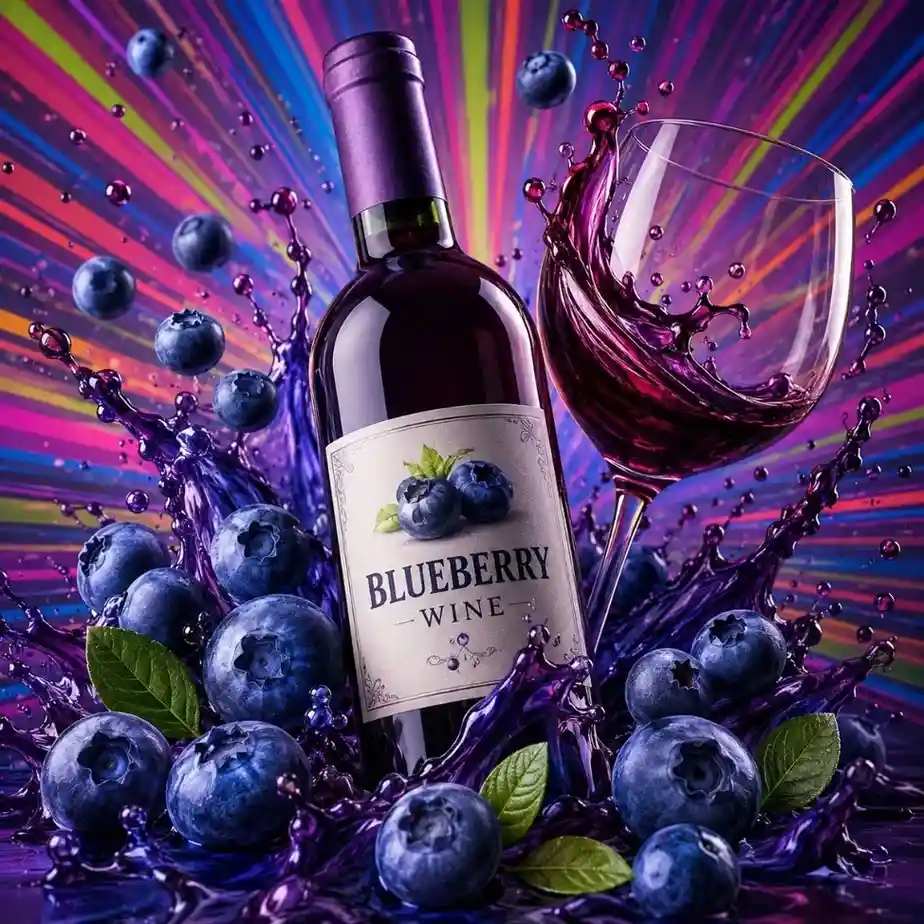
Blueberry wine is a fermented alcoholic beverage made from blueberries. The process starts with crushed fruit or juice extraction from fresh berries. Winemakers add water, sugar and specialized yeast strains to start fermentation.
The flavor profile differs from traditional grapes in important ways. Your blueberry wine tastes sweeter by default. The natural sweetness comes from the fruit itself plus added sugar. You also get tartness that keeps the drink balanced and refreshing.
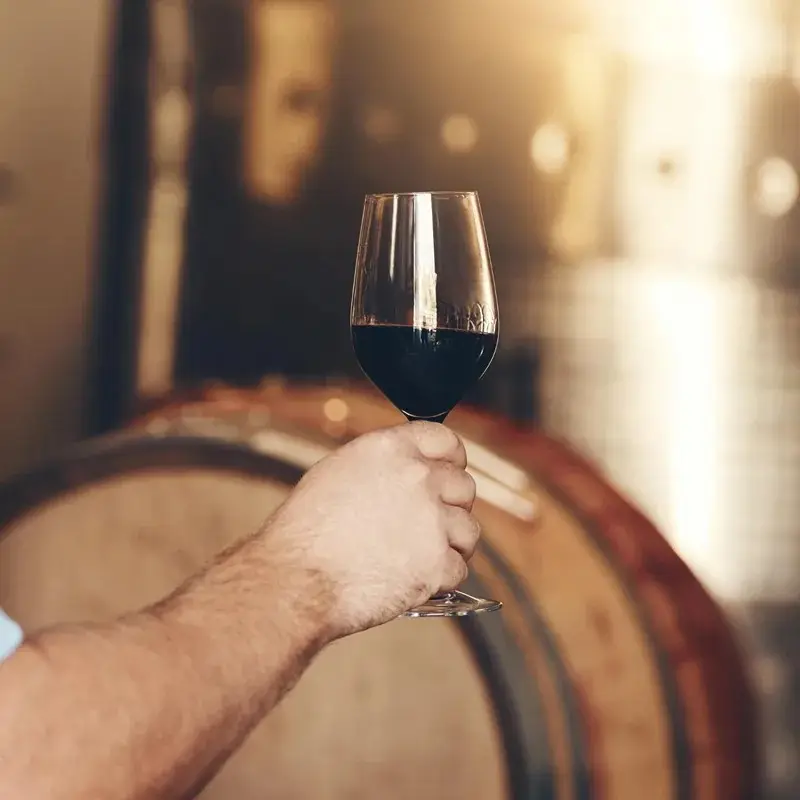
This fruit-based wine has a deep color that attracts wine enthusiasts immediately. The dark purple liquid comes from the blueberry fruit skins during fermentation. That rich desserts pairing happens naturally because of this sweetness level.
Red grape wines sit higher in tannins compared to blueberry wine. Your blueberries create a smoother beverage overall. The texture feels less drying on your lips and palate. This makes blueberry wine perfect for casual sipping rather than formal wine culture events.
The berry-forward flavors dominate your entire sensory experience. Fresh berries contribute natural fruit flavors that stay authentic. The wine production keeps these genuine tastes intact through the whole process.
How Blueberry Wine Differs From Grape Wine
Blueberry wine gives you something completely different from what you expect with traditional wines. Let us break down the main differences you should know.
- Flavor and Sweetness
Your blueberry wine brings fruity sweetness that grape wines rarely match. A dry wine made from grapes stays acidic and complex. Blueberry wine tastes like berries in liquid form with natural fruit flavors throughout.
The residual sugar in blueberry wine stays much higher. This means your drink ends with a sweet finish that lingers. Grape wines finish clean or slightly tart depending on the type.
- Body and Tannins
Tannins make grape wines feel drying in your mouth. Red grape wines carry significant tannins from the skins. Your blueberry wine has almost no tannins because berries do not contain them.
This means blueberry wine feels smoother and easier to drink. You can sip it without the puckering sensation that grapes sometimes create. The mouthfeel stays creamy and pleasant throughout your tasting experience.
- Complexity and Aging
Traditional grape wines develop complexity as they age over years. Blueberry wine reaches peak drinkability within months not years. The fruit flavors stay bright rather than becoming layered.
Premium wines gain depth with bottle aging and oxidation process. Your homemade blueberry wine tastes best fresh within the first year. Commercial blueberry wine brands maintain quality for several years when stored properly.
- Price and Accessibility
Blueberry wine costs less than comparable grape wines in most cases. You can buy blueberry wine at your grocery store, liquor retailer or online retailers easily. Amazon and specialty beverages shops stock multiple options for quick shipping.
Grape wines range from budget bottles to premium selections costing hundreds. The wine marketplace for berries feels more accessible and affordable wine focused.
Blueberry Wine Taste Profile
Your first sip of blueberry wine brings jam notes and ripe fruit immediately. The aromatic beverage smell hits your nose before the taste arrives. That sweet aroma opens up the entire sensory profile for you.
The Initial Taste
When you taste blueberry wine, sweetness comes first. Then tartness arrives to balance the sugar content. Berry flavor sits at the center of every sip you take.
The acidic snap keeps the drink from tasting syrupy even though it contains plenty of sugar. That tart berry notes create a palate cleansing effect naturally. Your mouth feels refreshed rather than coated with residue.
The Lingering Finish
Your blueberry wine lingers on your palate long after swallowing. That sweet finish extends the berry richness for several seconds. The fruity aroma stays in your nose adding to the complete experience.
Some versions bring floral notes alongside the berry character. Others taste purely like ripe berries with minimal additional complexity. The flavor intensity varies between brands and homemade batches significantly.
Sensory Contrast
You get both jam flavor and fresh berry taste simultaneously. This sweet-tart balance keeps your palate engaged throughout the drink. The sensory contrast prevents blueberry wine from becoming one-dimensional or boring.
The wine finish remains clean despite the sweetness. Authentic sensory experiences come from real fruit rather than artificial flavors. Your authentic flavor experience happens because blueberry wine uses actual berries not flavor extracts.
Stella Rosa Blueberry Wine Review
Stella Rosa blueberry wine tops the bestseller lists at grocery stores everywhere. This sweet wine appeals to casual sippers who avoid dry options. The brand commands serious shelf space at most retailers nationwide.
What Makes Stella Rosa Different
Stella Rosa creates semi-sweet blueberry wine with a smooth texture. The flavor profile leans heavily toward berry sweetness over tartness. You get fruity sweetness that tastes naturally balanced not artificial.
Some Stella Rosa versions feature lightly carbonated drinks for extra refreshment. The carbonation adds a light fizz that summer parties love instantly. Fresh fruit character shows through despite the carbonation layer.
The smooth texture makes this blueberry wine ultra approachable for new drinkers. You do not need wine knowledge to enjoy Stella Rosa blueberry wine at all. This accessibility explains why restaurants stock it consistently.
Taste and Aroma
The floral notes in Stella Rosa distinguish it from competitors. Your nose picks up berry aroma mixed with subtle floral complexity. The sweet wine profile keeps everything friendly and unchallenging.
Stella Rosa blueberry wine tastes like berries with honey added. The syrupy mouthfeel comes from residual sugar levels remaining high. Your lips feel coated with pleasant sweetness rather than tannins.
When to Drink Stella Rosa
Afternoon sipping works perfectly with Stella Rosa blueberry wine. Summer parties need this casual option for guests who avoid dry wines. You can serve it chilled in a glass at room temperature between two and four hours.
This beverage brand works as a palate cleanser between rich foods. The acidity and sugar balance refresh your mouth naturally. Casual sipping moments call for Stella Rosa more than formal dinners.
Pricing and Availability
Stella Rosa blueberry wine remains affordable across all retailers. The wine market positions this as a premium yet accessible option. You can buy blueberry wine from Stella Rosa at grocery stores, liquor stores and online shops.
Customer reviews consistently praise the smooth finish and balance. Wine consumers favor Stella Rosa for reliable quality at fair prices. The brand delivers consistent tasting profiles from bottle to bottle.
Barefoot Blueberry Wine Review
Barefoot blueberry wine takes a different approach than Stella Rosa. This brand brings more fruit character alongside moderate sweetness levels. You get a wine that feels slightly more sophisticated without becoming challenging.
The Barefoot Difference
Barefoot uses superior grapes as a base for their berry wines. The Moscato base adds structure that Stella Rosa lacks. You notice richer complexity in every sip of Barefoot blueberry wine.
Jam notes show up less aggressive in Barefoot compared to competitors. Instead you taste ripe fruit with subtle sweetness underneath. The berry-forward flavors feel more authentic and less processed overall.
Barefoot maintains a creamy dessert drink quality throughout the profile. Your dessert pairing options expand with this slightly drier approach. Rich flavors in foods complement Barefoot better than sugar-only beverages.
Flavor Characteristics
When you taste Barefoot blueberry wine, complexity arrives immediately. The fruitscato approach brings carbonated wine sensations with deep berry flavor. This creates an interesting drinking experience that evolves as you sip.
The glass matters more with Barefoot than with Stella Rosa. You want proper wine glassware to appreciate the berry intensity. The aromas open up better in real wine glasses versus casual cups.
Ripe berry flavor dominates but does not overwhelm your palate. The sweetness stays controlled compared to casual sweet beverages. Your palate stays engaged rather than fatigued by sugar.
Best Moments for Barefoot
Afternoon sipping works here but evening drinking feels more appropriate. Barefoot blueberry wine pairs better with food than Stella Rosa does. You can enjoy this beside cheese boards, charcuterie and light desserts.
The wine comparison clearly shows Barefoot suits wine enthusiasts more. Popular wine consumers recognize the quality jump in fruit profiles. Flavor authenticity comes through in every bottle you open.
Cost and Purchasing
Barefoot costs slightly more than Stella Rosa but remains affordable wine. Online marketplaces stock this brand consistently with quick shipping available. You can buy blueberry wine from Barefoot at most specialty wines retailers.
The wine recommendations in reviews highlight balance and complexity. Consumer favorites often include Barefoot blueberry wine for its versatility. Wine enjoyment increases when you appreciate the subtle differences in fruit profiles.
Aldi Blueberry Wine and Budget Options
Aldi blueberry wine, the best sparkling wine, represents the ultimate budget-friendly option available anywhere. You get legitimate quality at prices that barely break two dollars. This makes Aldi your first stop for affordable wine shopping.
What Aldi Offers
Aldi stocks blueberry wine seasonally or year-round depending on your location. The house brand delivers surprising quality at the lowest price point. You cannot find cheaper blueberry wine from legitimate retailers elsewhere.
The taste profile stays sweet and approachable like other budget options. Aldi blueberry wine lacks complexity but delivers berry flavor honestly. Your mouth feels coated with fruity sweetness not artificial additives.
This affordable wine works perfectly for casual occasions. Party drinks need volume and affordability more than sophistication. Summer beverage service suits Aldi blueberry wine completely.
Comparison to Premium Brands
Stella Rosa costs roughly double the Aldi price point per bottle. Barefoot runs three times what Aldi charges in most locations. Yet Aldi delivers drinkable quality that many consumers prefer over expensive options.
The wine quality versus price ratio favors Aldi dramatically. Your berry beverage gets the job done without premium spending. Budget-conscious shoppers find Aldi blueberry wine absolutely perfect.
Finding Aldi Blueberry Wine
Check your local Aldi wine section for seasonal inventory. The beverage shopping here focuses on value over variety. You might find limited selections compared to specialty beverages shops.
Regional availability varies based on your Aldi location. Some stores stock blueberry wine year-round consistently. Others carry it only during summer months when demand peaks.
Aldi remains an excellent option for bulk buying and entertaining. You can purchase multiple bottles without guilt about spending. The affordable wine pricing lets you buy confidently.
Homemade Blueberry Wine Recipe
Making blueberry wine at home costs way less than buying it. You feel genuine satisfaction from creating your own fermented alcoholic beverage. The process takes patience but requires minimal technical skill.
What You Need to Start
Fresh blueberries or frozen blueberries work equally well. You need white sugar, filtered water and fermentation yeast. Add yeast nutrient for best fermentation results.
Your fermentation equipment includes a fermentation bucket or glass carboy. Get a simple syrup pot for mixing ingredients properly. You need a sanitized equipment setup before brewing begins.
Crushed berries and juice extraction require basic kitchen tools. A strainer separates pulp from liquid efficiently. Daily stirring during early fermentation phases helps extraction.
The Basic Process
Start by crushing your berries in a large bowl. Add water and sugar mixed into simple syrup consistency. Pour your crushed fruit into the fermentation vessel.
Add your specialized yeast strains to begin the fermentation process. The yeast activity consumes sugar and produces alcohol gradually. You notice visual guide changes as fermentation progresses daily.
Seven days of fermentation creates initial beverage basics. Week two brings major color development from fruit skins. By week four, primary fermentation mostly completes itself.
The Aging Phase
Transfer your wine from the fermentation bucket into glass carboy after one month. This racking process separates sediment from clear liquid. Let it age for six months minimum before tasting.
Six weeks marks when you can sample early results. The beverage creation continues through chemical processes you cannot see. Patience pays off as flavors develop and mellow naturally.
Your wine aging period brings flavor integration you cannot rush. After six months, you can bottle your blueberry wine finally. Most home brewed options taste best within one year after bottling.
Common Beginner Mistakes
Skipping fermentation bucket sanitation ruins entire batches instantly. Your sanitized equipment must be perfectly clean before use. Contamination turns wine into vinegar or spoils batches completely.
Using insufficient sugar creates weak fermentation that stalls. The fermentation nutrients and sugar consumption need balance carefully. Most beginners undershoot on sugar measurements initially.
Bottling too early traps active fermentation inside sealed bottles dangerously. Wait until fermentation completes fully before final bottling. The wine aging period serves important biological functions.
Where to Buy Blueberry Wine Near You
Finding blueberry wine requires knowing where retailers stock it. Your grocery store carries multiple options depending on location. Wine availability varies by region and store type significantly.
Major Grocery Chains
Your supermarkets stock blueberry wine in the wine section typically. Whole Foods features premium and craft options alongside budget brands. Kroger, Safeway and Publix maintain consistent inventory nationally.
These stores position blueberry wine near other sweet wines. You find Stella Rosa, Barefoot and house brands easily. Beverage retailers in these chains know inventory thoroughly.
Call ahead if you need specific brands because stock fluctuates seasonally. Summer months bring better selection than winter periods. The wine distribution system prioritizes warm months for berry wines.
Specialty Wine Retailers
Your local liquor stores carry expanded selections. These specialty beverages shops feature craft options unavailable at groceries. Knowledgeable staff help you navigate choices based on your preferences.
Specialty wines retailers often order products not in regular inventory. You can request specific brands through their ordering systems. The wine sourcing happens through dedicated distributors.
These shops frequently offer tasting opportunities before purchasing. You try blueberry wine before committing to full bottles. Staff recommendations come from genuine experience rather than sales training.
Online Shopping Options
Amazon delivers blueberry wine to most addresses nationwide. The online marketplace offers extensive selection with customer reviews. Fast shipping gets your order within days in most cases.
Online retailers compete aggressively on wine pricing. You find deals unavailable in physical stores regularly. The wine marketplace for online purchases keeps prices competitive.
Check shipping policies because alcohol delivery faces state restrictions. Some locations prohibit certain types of shipments. Verify your address qualifies before placing large orders.
Direct wine retailers ship cases at bulk pricing. The wine suppliers offer subscription options if you prefer regular shipments. Your beverage marketplace research uncovers best pricing online.
Finding Deals
Seasonal sales drop prices significantly during off-months. Your loyalty programs unlock member-only discounts automatically. First-time buyer incentives offer introductory pricing on purchases.
Holiday promotions bring volume discounts on multiple bottles. The wine buying guide suggests purchasing ahead of parties. Affordable wine options expand during clearance periods.
Food Pairing and Serving Blueberry Wine Perfectly
Your blueberry wine tastes best with specific foods and serving methods. Proper serving temperature enhances flavors you might otherwise miss. Food pairing creates harmony between wine and dishes.
Dessert Pairings
New York cheesecake pairs beautifully with blueberry wine. The creamy desserts need the sweet wine balance to succeed. Your dairy richness responds well to berry flavors.
Vanilla bean ice cream creates a classic combination. The sweetness of both elements does not clash surprisingly. Palate cleansing happens through the tartness underneath.
Berry-based desserts amplify berry wine characteristics naturally. You taste more complex flavors through simple multiplication. Chocolate desserts work because cocoa contrasts nicely with fruit.
Cheese Board Combinations
Blue cheese brings salty bite that blueberry wine handles expertly. The sweet flavors dance against sharp cheddar beautifully. Goat cheese creates creamy texture that wine complements.
Artisan cheese selections deserve proper pairing consideration from you. Salty meats on charcuterie boards work with semi-sweet wine. Your charcuterie board becomes elevated through thoughtful wine selection.
Soft cheeses pair wonderfully with blueberry wine choices. The cheese pairing options expand when you understand flavor contrast. Gourmet pairing becomes simple once you grasp the fundamentals.
Afternoon Snacking
Roasted nuts provide salty contrast to berry wine sweetness. Your afternoon entertaining improves dramatically with proper beverages. Salty bite foods refresh your palate between sips.
Roasted snacks work better than raw vegetables here. The flavor balance improves through proper heat treatment. Your wine companion foods should complement not compete.
Serving Temperature and Glassware
Chill your blueberry wine to between forty-five and fifty-five degrees. Serve it in a wine glass that allows proper aeration. The chilled glass keeps temperature stable longer.
Your serving method impacts flavor perception significantly. Proper glassware concentrates fruity aroma toward your nose. Wine service matters more than casual drinkers realize.
Blueberry Wine Taste and Storage Guide
Your blueberry wine requires proper storage to maintain quality. The beverage preservation depends on temperature, light and position. Understanding storage extends your wine enjoyment considerably.
How Long Blueberry Wine Lasts
An opened bottle stays fresh for three to five days. Your refrigerator keeps oxidation slower than room temperature. The oxidation process accelerates without cold storage.
Unopened bottles last several years if stored correctly. The wine shelf life depends on quality and storage conditions. Premium bottles age better than budget options overall.
Storage Conditions Matter
Keep your blueberry wine between forty-five and sixty-five degrees consistently. The temperature stability prevents premature aging or deterioration. Light exposure ruins wine faster than anything else.
Position your bottle on its side if it has a cork. Screw cap positioning does not matter for preservation. The humidity levels should stay moderate in your storage area.
Dark storage spaces work better than bright kitchens. Your wine collection appreciates cool, dark conditions consistently. The wine aging period benefits from stability.
Signs Your Wine Has Gone Bad
Vinegar smell indicates bacterial spoilage has begun. Cork taint shows up as musty aroma immediately. Color changes from bright purple to brown suggest oxidation.
Your taste experience changes noticeably when wine spoils. Off-flavors appear harsh and unpleasant suddenly. Discard wine that shows obvious spoilage signs immediately.
Blueberry Wine vs. Traditional Grape Wine
Understanding differences helps you choose correctly for your needs. The wine comparison clarifies what each type offers distinctly. Your preferences guide decisions between these beverage categories.
| Feature | Blueberry Wine | Grape Wine |
|---|---|---|
| Sweetness Level | High naturally | Varies widely |
| Tannin Content | Minimal | Significant |
| Flavor Profile | Berry forward | Complex, varied |
| Aging Potential | 1-2 years | 5-20+ years |
| Price Point | Budget friendly | Budget to premium |
| Difficulty Level | Easy to make | Moderate to hard |
| Food Pairing | Desserts mainly | Flexible |
| Market Access | Growing | Ubiquitous |
Flavor Complexity
Traditional wines develop layers of complexity over time. Your blueberry wine stays fruit-forward and simple longer. The wine production creates different flavor development timelines.
Grape wines show the winemaker expertise through subtlety. Blueberry wine lets the fruit shine without interference. Your flavor preferences guide which approach appeals most.
Sweetness and Dryness
Blueberry wine offers consistent sweetness across producers. You know what to expect without extensive research. Dry wine selection in grapes requires knowledge.
Your palate might prefer simplicity over complexity forever. Others grow into wine appreciation through grape wines gradually. Neither approach ranks superior to the other genuinely.
Aging and Storage
Blueberry wine peaks within two years of bottling. Your wine preservation matters less than grape varieties. The beverage lifespan stays manageable and predictable.
Premium grape wines improve for decades when stored properly. Your wine aging becomes a collecting hobby entirely. The wine culture treats grapes differently than berry alternatives.
Accessibility and Price
Blueberry wine costs significantly less on average. Your budget stretches further with berry alternatives. The wine marketplace for berries feels more democratic.
Grape wines command respect and higher prices traditionally. Premium selections cost hundreds per bottle easily. Your casual wine enjoyment might prefer affordable options.
Understanding Blueberry Wine Antioxidants and Health Benefits
Your blueberry wine contains natural antioxidants worth understanding. The anthocyanins come directly from blueberry fruit skins. These compounds provide cellular health benefits when consumed moderately.
The antioxidant retention happens through the fermentation process. Wine production preserves healthy antioxidants effectively. Your body absorbs these compounds from fermented beverage form.
Free radicals cause cellular damage throughout your system. Antioxidant-rich beverages fight this damage naturally. Your health compounds multiply through berry selection.
The delicious drink also delivers nutritional benefits simultaneously. Your fruit-derived antioxidants improve overall health markers. Compound research confirms these benefit assertions.
National Institutes of Health studies document antioxidant stability in non-grape fruit wines. The 2024 research emphasizes anthocyanin stability through fermentation. University of Florida IFAS Extension notes small farm fermentation preservation benefits.
USDA berry crop and utilization reports confirm rising commercial production. The fruit beverage industry grows significantly annually. Agricultural research supports blueberry wine expansion.
Frequently Asked Questions
What is the alcohol content of blueberry wine?
Your blueberry wine alcohol by volume ranges from five to fifteen percent. Budget options like Stella Rosa stay around five percent. Homemade batches reach ten to twelve percent naturally.
.
Is blueberry wine sweet or dry?
Blueberry wine tastes sweet by default across all producers. You will not find dry versions in mainstream markets. The natural fruit sugars create inherent sweetness.
Can I make blueberry wine at home easily?
Yes, home winemaking requires minimal technical skill honestly. Beginners succeed with basic equipment and patience. The fermentation process handles most work automatically.
How long does opened blueberry wine last?
An opened bottle stays fresh for three to five days. Your refrigerator extends freshness through temperature control. Room temperature spoils wine much faster.
Where can I find blueberry wine near me?
Check your local grocery store wine section first. Liquor retailers carry expanded selections in most cases. Online retailers like Amazon deliver to most addresses.
Is blueberry wine good for beginners?
Absolutely, blueberry wine appeals to new wine drinkers immediately. The sweetness and fruity flavor feel approachable always.
What brands offer the best value?
Aldi blueberry wine delivers unbeatable value currently. Stella Rosa offers good quality at fair prices. Your budget guides brand selection ultimately.
Can blueberry wine pair with savory foods?
Pairing works better with desserts than savory dishes. The natural sweetness overwhelms most savory flavors. Salty elements work better than savory complexity.
How much blueberry wine should I drink?
Moderation keeps health benefits intact while enjoying wine. The National Institutes of Health recommends limited consumption. Your health approach guides personal decisions.
Does homemade or commercial taste better?
Taste preference depends entirely on your personal palate. Commercial options taste consistent batch to batch. Your homemade wine develops unique character.
References
- National Institutes of Health Antioxidant Retention in Non-Grape Fruit Wines.
- University of Florida IFAS Extension. Small Farm Fermentation: Southern Fruit Wines and Agricultural Publication.
- United States Department of Agriculture 2024 Berry Crop and Utilization Report.
- FlavorSuggest.co – Your Source for Flavor Reviews and Rankings. https://www.flavorsuggest.co