Moringa Seeds: Health Benefits, Uses, Planting Guide and Buying Tips
You have probably heard about moringa seeds a hundred times by now. People call them a superfood. Others use them for planting. Some press them into oil. And a growing number of people in South Asia and worldwide are adding them to their daily diet routine.
So what are moringa seeds actually good for? The short answer: a lot. This guide covers everything from their nutritional profile to how you grow a moringa tree from seeds right in your backyard. Whether you want to buy moringa seeds, understand their benefits or just learn what the hype is about, you are in the right place.
What Are Moringa Seeds?
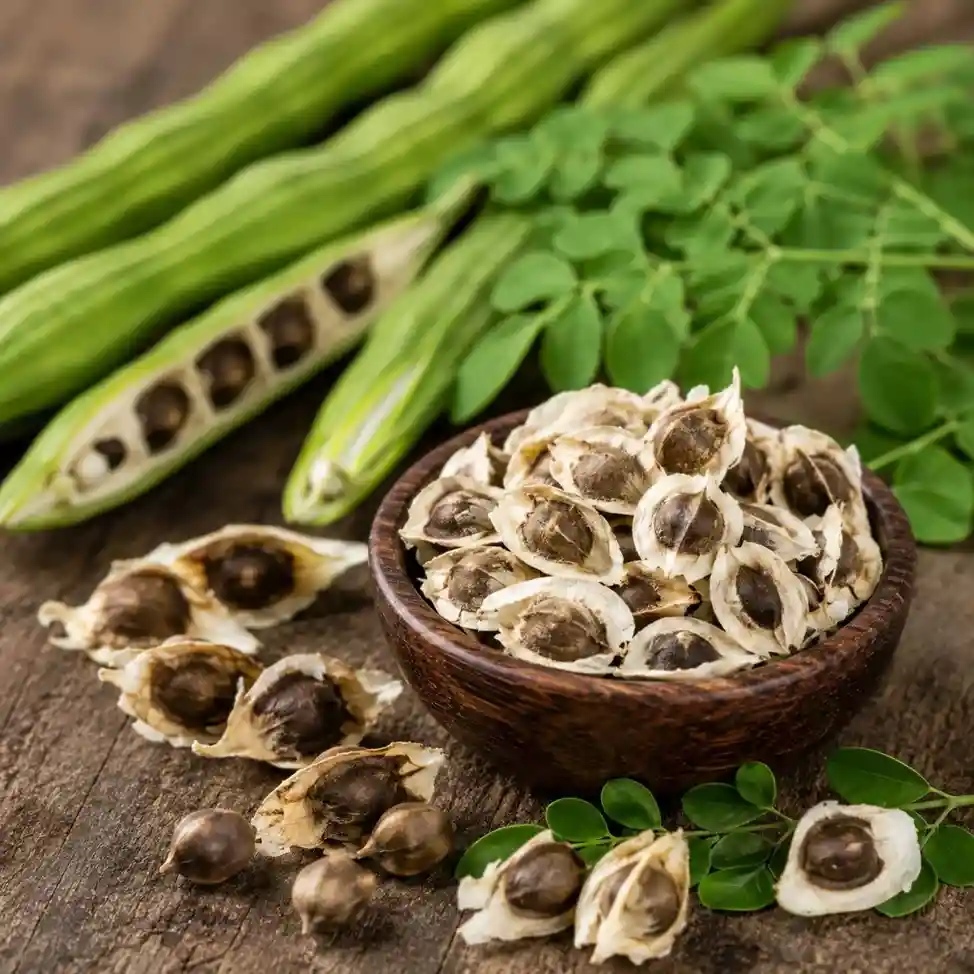
Moringa seeds come from the Moringa oleifera tree, widely known in Pakistan and South Asia as the Sohanjna tree. This tree belongs to the plant kingdom and grows long, slender pods that many people call drumsticks. Inside those tough outer shells, you find the kernels, which are the actual moringa seeds.
Each pod is fibrous, green and has papery winged edges. When you split the pod open, the inner white part of the seed is what holds most of the nutrition. People sometimes confuse moringa seeds with moringa leaves or moringa powder. All three come from the same plant but serve different purposes.
The seeds are more concentrated in certain nutrients compared to leaves. They are small, dense and come wrapped in a thick, protective shell. That shell needs to be peeled away before eating or processing.
The Moringa oleifera tree is often called a miracle tree and honestly, that description is not far off once you understand what the seeds contain.
Moringa Seeds Benefits for Human Health
The benefits of moringa seeds are not just traditional claims. Researchers have studied the compounds inside these seeds and found real reasons why cultures across South Asia have used them for centuries.
Heart and Cholesterol Support
Moringa seeds contain plant-based compounds that help protect the heart. They support healthy cholesterol levels and may reduce the buildup of lipids in the bloodstream. If your diet is heavy on fried foods, adding moringa seeds into your routine makes sense as a natural balance.
Energy and Muscle Repair
Your body needs quality protein to repair tissue after physical activity. Moringa seeds are packed with protein and essential amino acids that your muscles actually use. Many people notice a genuine lift in energy when they add these seeds to their daily consumption.
Digestive and Gut Health
Moringa seeds support digestion by feeding good bacteria in the gut. They contain dietary fiber that keeps bowel movements regular without causing harsh effects. If your digestive system struggles with irregularity, moringa seeds added gradually to your diet can make a noticeable difference.
Joint and Inflammation Relief
The antioxidants in moringa seeds work to soothe irritation in the body. People dealing with joint swelling and general inflammation have used moringa seeds as part of traditional remedies for generations. The behenic acid and other compounds contribute to this anti-inflammatory effect.
Skin and Hair Conditioning
Moringa seed oil, pressed from the kernels, is a brilliant moisturizer. Applied in drops to the face or rubbed into hair ends, it reduces breakage and delivers a clean finish. For skin hydration, a few drops go a long way. Your hair becomes noticeably easier to manage with regular use.
Immune and Bacterial Defense
The vitamin C and E content in moringa seeds gives your immune system real support. These vitamins act as antioxidants that protect cells from damage. The seeds also contain compounds that inhibit harmful bacteria, helping your gut stay balanced.
Nutritional Profile of Moringa Seeds
Here is what makes moringa seeds genuinely exceptional from a nutrition standpoint.
| Nutrient | What It Does |
|---|---|
| Protein and Amino Acids | Muscle repair, tissue growth, energy production |
| Vitamin C | Immune support, skin health, antioxidant protection |
| Vitamin E | Cell protection, skin conditioning, anti-inflammatory |
| Omega-3 Fatty Acids | Heart health, brain function, inflammation control |
| Behenic Acid | Skin moisturization, lipid stability in oil form |
| Dietary Fiber | Digestive regularity, gut bacteria support |
| Antioxidant Compounds | Protection against oxidative stress and cell damage |
| Fats and Lipids | Energy, absorption of fat-soluble vitamins |
The seeds are more concentrated in nutrients per gram than moringa leaves. When you compare moringa seeds to leaves, the seeds win in protein density and fat content. Leaves edge ahead in certain vitamins and minerals per serving volume, but seeds pack more per bite.
This concentration makes moringa seeds especially valuable as a supplement or functional food rather than just a vegetable side dish.
Taste, Flavor and Sensory Profile of Moringa Seeds
You might wonder what moringa seeds actually taste like before you commit to eating them. The flavor profile is distinct and changes depending on how you prepare them.
Raw moringa seeds have a mild, earthy bitterness that hits the back of your palate first. There is a slight nutty note underneath that bitterness. Some people detect a faint sweetness on the tongue, especially when the seeds are very fresh. That sweetness does not linger long and the earthy aftertaste takes over.
When you roast or toast moringa seeds, the bitterness reduces significantly. Roasted seeds develop a nuttier, more fragrant character. The texture becomes crunchy, which makes them easier to snack on or mix into food. The nutty note lingers pleasantly after the initial fragrant burst, making roasted seeds the most palatable form for most people.
Boiled moringa seeds become softer and take on a more neutral, mild taste. Some people find boiled seeds almost tasteless, which actually makes them easier to incorporate into soups, stews and curries without changing the dish flavor much.
Grinding seeds into powder gives you a coarse, earthy product that blends well into smoothies or oatmeal. The powder carries that earthy note more than anything else.
How Moringa Seeds Are Used
People use moringa seeds in more ways than most realize. Here is a breakdown of actual applications, not just theory.
Direct Consumption
You can eat moringa seeds raw after peeling the shell, but most people find the bitterness strong. Roasting them first makes the experience far more enjoyable. Boiling is the gentler route if your digestive system is sensitive.
Start with two to three seeds per day. Your system needs time to adjust. Some people who eat too many seeds too fast experience loose bowel movements as the fiber and compounds shift their gut activity.
Cooking and Kitchen Use
In traditional South Asian cooking, moringa seeds go into curries, soups and vegetable stews. They work alongside meats, peas, peanuts and other vegetables without overpowering the dish. Some chefs use them seared in a skillet to create a crunchy garnish. They hold up well during high-heat cooking, which makes them practical in the kitchen.
Powder and Supplement Form
Ground moringa seed powder goes into smoothies, oatmeal and health drinks. The powder dissolves reasonably well and adds nutritional density without dramatically changing your meal. Many people treat it like a pantry staple alongside other superfoods.
Water Purification
This one surprises people. Crushed moringa seeds have been used historically for water purification. The proteins in the seeds attract and bind to impurities in water, causing them to clump and settle. This is a documented, practical use that goes beyond nutrition and into community health applications in tropical and arid regions worldwide.
Moringa Seeds for Planting: Step-by-Step Guide
Growing a moringa tree from seeds is genuinely straightforward. The tree is resilient by nature and thrives in warm, frost-free climates like most of Pakistan and subtropical regions worldwide.
What You Need Before You Start
Fresh moringa seeds germinate far better than dried or old stock. Choose seeds with the winged papery coating still intact if you are planting directly in soil. Remove the wings for container planting to improve contact with the growing medium.
Planting Steps
Step 1: Soil Preparation Use well-draining soil. Moringa does not like waterlogged roots. Sandy loam works well. Mix in compost to give the seedling a nutritional start.
Step 2: Planting Depth Place seeds about 1 to 2 centimeters below the soil surface. Deeper than that slows germination without any benefit.
Step 3: Watering Schedule Water lightly right after planting. Keep the soil moist but not soggy during the germination phase. Once the seedling develops, moringa is drought-tolerant and resilient even in arid conditions.
Step 4: Germination Timeline Expect sprouts within 5 to 12 days in warm conditions. Pakistan summer and spring months are ideal for planting. Avoid planting during frost periods if your region experiences cold winters.
Step 5: Sunlight Full sun is non-negotiable. Moringa grows best with six to eight hours of direct sunlight daily. The tree continues to develop rapidly once established and can reach harvestable height within a few months.
Common Beginner Mistakes
Overwatering is the number one issue. The tree resists drought beautifully but rots quickly in standing water. Planting too deep is the second common error. Too much shade is the third. If your tree grows leggy and slow, it is almost always a sunlight problem.
How to Grow a Moringa Tree from Seeds: Indoor vs Outdoor
You can start moringa seeds indoors in pots and transplant once the seedling is 30 to 45 centimeters tall. Use deep containers because the taproot develops quickly and needs space downward.
Outdoors, plant directly into the ground where the tree will live permanently. Moringa dislikes being moved once established. Choose your location carefully before planting.
For branch development and a bushy shape, prune the top of the young tree at around one meter height. This encourages lateral branching and more pod production. An unpruned moringa grows tall and thin with fewer pods accessible at ground level.
The tree matures fast. You can harvest pods within six to eight months under good conditions. In tropical and subtropical climates, moringa grows year-round with minimal care. This resilience makes it one of the most reliable food trees for smallholder farmers in warm regions.
Moringa Seed Oil: What It is and How It is Used
Moringa seed oil, also called ben oil, is pressed from the dried kernels. It is a pale yellow liquid with a clean, neutral finish. The oil has been historically known across global cultures for both culinary and cosmetic applications.
Cosmetic and Skincare Use
As a moisturizer, moringa seed oil absorbs quickly without leaving a heavy residue. Apply a few drops to your face after washing. It works particularly well on dry patches and around the eyes. For hair, rub a small amount into the ends to reduce breakage and add shine.
The behenic acid in the oil gives it exceptional stability and skin conditioning properties. It locks in hydration without clogging pores for most people.
Cooking Oil Clarification
There is a common misconception that moringa seed oil is a standard cooking oil. The reality is more nuanced. The oil has a relatively high smoke point, which technically makes it usable for frying and high-heat cooking. However, its commercial value in the cosmetic and personal care industry is significantly higher, so it is rarely used as a frying oil in practice.
For everyday cooking in Pakistan, other oils remain more practical and affordable. Moringa seed oil is better treated as a premium cosmetic product or specialty bottle ingredient.
Extraction Process
Farmers harvest the pods, collect and dry the seeds, then press them to extract the oil. Cold-pressed oil retains more of the beneficial compounds. The process is similar to olive oil extraction in concept. What remains after pressing is a seed cake that still holds protein value.
Moringa Seeds vs Other Superfoods
People often ask how moringa seeds stack against popular alternatives like chia seeds and flaxseeds. Here is an honest comparison.
| Feature | Moringa Seeds | Chia Seeds | Flax Seeds |
|---|---|---|---|
| Primary Trait | Protein-rich, antioxidant dense | Omega-3 rich, high fiber | Omega-3 and lignans |
| Protein Content | High, complete amino profile | Moderate | Moderate |
| Fiber Content | Good | Excellent | Excellent |
| Fat Profile | Behenic acid, Omega-3 | High Omega-3 | High Omega-3, ALA |
| Oil Extraction | Yes, ben oil | Rarely | Flaxseed oil common |
| Traditional Use | South Asia, Africa | South America | Mediterranean, Asia |
| Antioxidant Level | Very high | Moderate | Moderate to high |
| Vitamin C and E | Present in seeds | Minimal | Minimal |
| Culinary Flexibility | Broad: whole, powder, oil | Broad: gel, powder, whole | Broad: ground, oil, whole |
Moringa seeds stand strong against popular highly regarded superfoods. The key difference is that moringa is a tree-based nutrient source with unique compounds like behenic acid and a broader antioxidant profile. Chia and flax are seeds of annual plants with their own strengths in Omega-3 concentration and fiber.
If you want an interactive comparison for your own needs, visit www.flavorsuggest.co where we break down superfoods by use case and nutritional goal.
Where to Buy Moringa Seeds
Whether you want seeds for planting or for eating and processing, knowing where to buy moringa seeds matters for quality.
Online Marketplaces in Pakistan
Several seed sellers on Amazon platforms and agri-supply websites offer moringa seeds for planting. Look for sellers who specify germination rate, packaging date and origin. Fresh seeds from the current season germinate far more reliably than older stock.
Quality Indicators When You Buy
Check that the shell is intact and firm. Damaged or shriveled seeds indicate poor storage conditions. If you are buying seeds for consumption or oil extraction, look for seeds that have been properly dried and cleaned. Bulk packs are more economical for planting purposes. Retail packs with better packaging work well for dietary use.
Avoiding Low-Quality Seeds
Be cautious of sellers who cannot tell you the harvest date. Seeds stored in damp conditions lose viability quickly. If you are buying for planting, always test a small batch before purchasing in large quantities.
You can find curated sourcing recommendations and product guidance at www.flavorsuggest.co.
Moringa Seeds Price and Availability in Pakistan
Prices for moringa seeds in Pakistan vary considerably based on quantity, quality and season.
Retail packs of edible or supplement-grade moringa seeds typically cost more per gram than agricultural planting seeds. Wholesale bulk pricing drops significantly for farming quantities. The planting season affects availability, with post-harvest months offering the freshest stock.
Seasonal availability impacts germination quality for planting seeds. Seeds harvested and sold within a few months of harvest perform better than seeds sitting in storage for over a year.
Wholesale and retail pricing structures differ because the supply chains serve different buyers. Farmers buying in bulk get better rates. Individual buyers paying retail prices get better packaging and quality checks. Factor this into your purchasing decision based on what you plan to do with the seeds.
Side Effects and Safety Concerns
Moringa seeds are safe for most people when consumed in reasonable amounts. That said, a few precautions are worth knowing.
Digestive Sensitivity
Eating too many moringa seeds at once can cause loose bowel movements and digestive discomfort. Your system needs to adjust gradually. Start with two or three seeds daily and increase slowly over weeks. This adjustment period helps your gut flora adapt to the new compounds entering your system.
Raw Seed Use
Raw moringa seeds contain certain compounds that are more concentrated than in processed or cooked seeds. Roasting or boiling reduces these compounds and makes the seeds gentler on digestion. Most traditional usage involves some form of preparation rather than eating completely raw seeds in large quantities.
Pregnancy and Breastfeeding
If you are pregnant or breastfeeding, speak with a healthcare provider before adding moringa seeds to your routine. Traditional use has included moringa leaves for lactating mothers, but seeds are more potent and the safety profile for seeds during pregnancy requires professional guidance. Check more detail on Health and Nutrition guide.
Overconsumption Risk
More is not always better with concentrated plant compounds. Keeping daily consumption to a moderate amount preserves the benefits without pushing the dose into territory where side effects appear. Treat moringa seeds as a regular part of a balanced diet, not as a medicine to take in large therapeutic doses without guidance.
Digestive and Dietary Effects in Detail
Your digestive system responds to moringa seeds in specific ways worth understanding before you start eating them regularly.
The dietary fiber in moringa seeds feeds beneficial gut bacteria. This is what researchers call a prebiotic effect. Your gut flora thrives on this fiber, which supports better digestion, more regular bowel movements and a healthier gut environment overall.
The compounds in moringa seeds also have mild activity against certain harmful bacteria. This means your gut gets a double benefit from regular consumption: more food for good bacteria and some resistance to the bad ones.
If you are introducing moringa seeds into your daily diet for the first time, expect a brief adjustment period. Your bowel movements may change temporarily as your system adapts. This is normal and typically settles within one to two weeks of consistent, moderate consumption.
For people with irritable digestion or sensitivity, boiling seeds before eating reduces the intensity of their effect on your gut. The boiling process softens the fibrous structure and releases some of the more stimulating compounds into the water, which you discard.
Moringa Seeds vs Moringa Leaves: Which is Better?
This question comes up constantly because both products come from the same plant and both carry impressive nutritional credentials.
Moringa leaves are gentler, more widely eaten and easier to incorporate into daily meals as a vegetable. They contain significant vitamin and mineral content per serving and are the most commonly consumed part of the moringa plant globally.
Moringa seeds are more concentrated, more potent and more versatile in their applications. They provide protein, fats and oil that leaves simply do not deliver in the same way. Seeds are harder to eat casually but offer deeper nutritional density for specific health goals.
For general daily nutrition, leaves are the easier starting point. For therapeutic use, oil extraction, water purification or a concentrated nutritional supplement, seeds are the better choice. Many people who get serious about moringa eventually use both in different ways.
Cooking and Culinary Applications
Moringa seeds fit into a surprising range of dishes once you start experimenting in the kitchen.
In South Asian cuisine, they go naturally into curries and stews alongside vegetables and meats. The mild flavor of boiled moringa seeds allows them to absorb the spices around them without competing with the dish. Add them whole to a pot of daal or mix them into a mixed vegetable stew.
Roasted moringa seeds work as a crunchy snack or topping. Toast them in a dry skillet over medium heat until they turn golden and fragrant. Sprinkle over salads or grain bowls for texture and nutrition.
Ground moringa seed powder stirs into oatmeal and smoothies for a morning nutrition boost. Mix a teaspoon into a fruit smoothie with banana or mango and you barely notice the earthy flavor under the sweetness.
For a more experimental approach, use moringa seed oil as a finishing drizzle over cooked dishes the way you would use a premium olive oil. The clean finish of ben oil adds a subtle depth to simple preparations.
FAQs About Moringa Seeds
What are moringa seeds used for?
Moringa seeds are used for eating, oil extraction, cooking, planting, water purification, skin moisturization and traditional herbal applications.
Can you eat moringa seeds raw?
Yes, you can eat them raw after removing the shell. Most people find the bitterness strong when eating them completely raw. Roasting or boiling first improves the flavor significantly and is gentler on digestion.
How long do moringa seeds take to grow?
In warm, frost-free conditions, moringa seeds germinate within 5 to 12 days. The tree reaches harvestable size within 6 to 8 months under good growing conditions.
Are moringa seeds safe to eat daily?
Yes, for most healthy adults, eating two to three moringa seeds per day as part of a balanced diet is safe and beneficial. Start with a small amount and increase gradually to let your digestive system adjust.
What is moringa seed oil used for?
Moringa seed oil is used as a skin moisturizer, hair conditioner and historically as a cooking oil. Its primary commercial use today is in the cosmetic and personal care industry because of its stability and skin-conditioning properties.
How do moringa seeds help with skin?
The behenic acid and vitamin E content in moringa seed oil and raw seeds support skin hydration and reduce irritation. Applied topically as oil, it moisturizes deeply without a heavy residue.
Where can I find more information on moringa seeds and other superfoods?
Visit www.flavorsuggest.co for detailed guides, superfood comparisons and flavor profiles of moringa and other plant-based ingredients.
How do moringa seeds compare to chia seeds?
Moringa seeds are higher in protein and offer a unique oil with behenic acid. Chia seeds are higher in Omega-3 and dietary fiber. Both are strong superfoods with different primary traits.
What does moringa mean and where does the name come from?
Moringa is derived from a Tamil word for drumstick, which refers to the long, slender pods the plant produces. The species name oleifera means oil-bearing in Latin, referring to the seeds’ oil content.