Vanilla Bean Paste: Uses, Recipes, Substitutes & Buying Guide 2026
You have probably seen vanilla bean paste in recipes and wondered what it is about. Maybe you find it at a specialty baking store. This can be your favorite; the baker swears by it.
We will cover everything. What it is, how it works, which brands are worth buying and how to use it in your kitchen.
What is Vanilla Bean Paste?
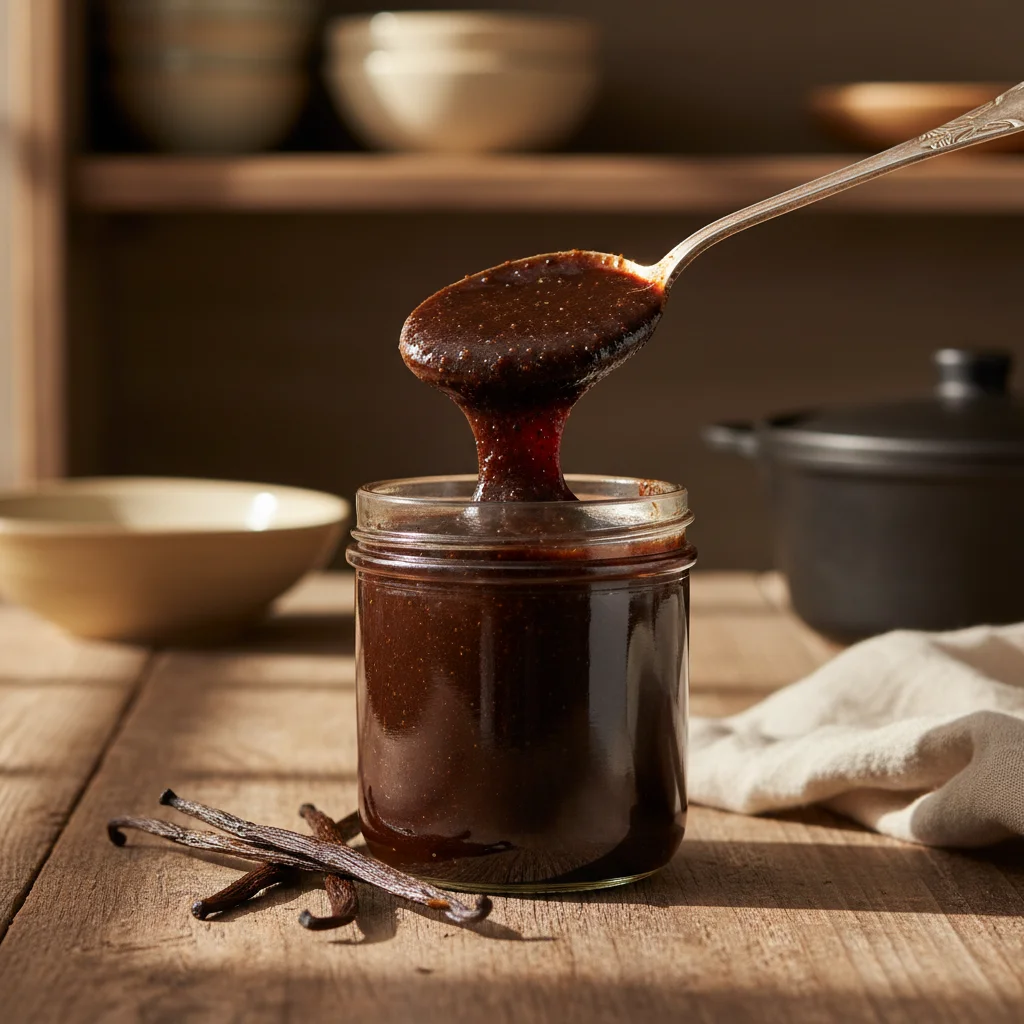
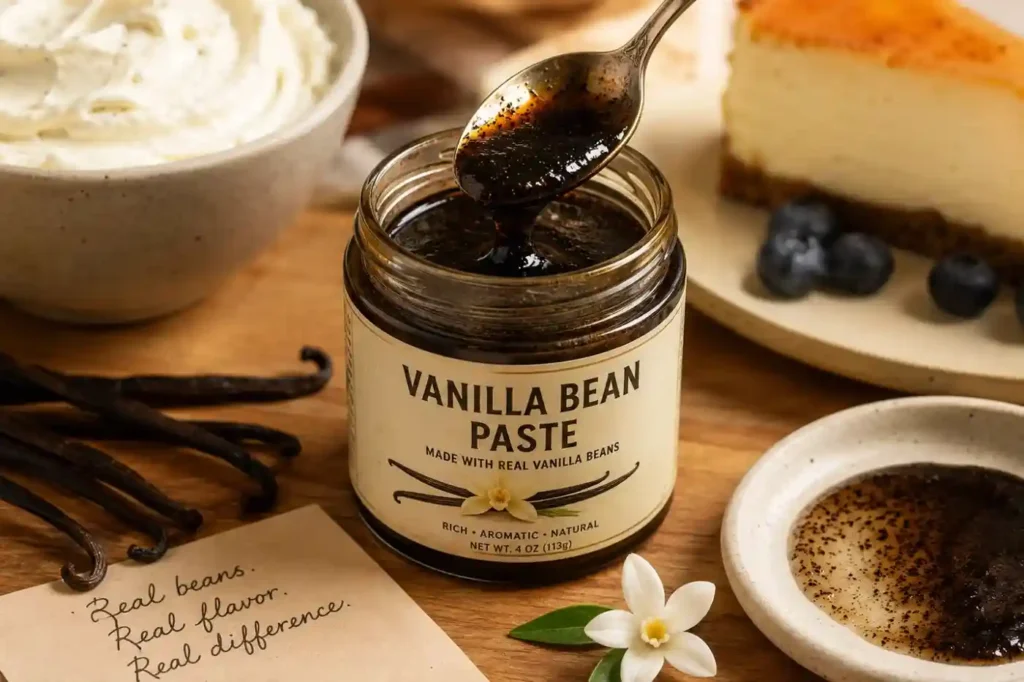
Vanilla bean paste is a thick, spoonable ingredient made from real vanilla. It combines vanilla extract substitute , scraped black seeds from cured orchid pods and a natural binder. That binder is usually gum tragacanth or a similar thickener. Some brands use a sugar base like corn syrup or agave nectar to hold everything together.
You can see the vanilla bean seeds suspended right inside the jar.
It comes from the vanilla pods of the Vanilla planifolia orchid. Those pods go through a long curing process before they become the paste you buy. The flavor depth you get comes from that aging process and the volatile compounds released in the beans.
How Vanilla Bean Paste Differs From Extract
Vanilla extract is a thin watery liquid. It is made by soaking vanilla pods in an alcohol base. The alcohol pulls out the flavor compounds. You end up with a clear or amber liquid.
Whole vanilla pods are the dry version. A dry pod gives you intense flavor but requires manual effort. You scrape them with a knife yourself. They are the most authentic ingredients, but the prep takes time. Each pod gives you a small number of seeds. You also have to split and scrape every single one.
Vanilla bean paste sits right in the middle. It gives you the real vanilla bean seeds without all the manual work. It is genuinely time-saving. The consistency is jar-ready. You measure it like extract.
Why Vanilla Bean Paste is Used in Premium Desserts
Professional pastry chefs love it for a few reasons.
- The sensory experience is richer. The flavor profile is sweet, floral and earthy all at once. There is no chemical aftertaste like you sometimes get from artificial flavors.
- Those sticky black seeds create a beautiful visual impact in your finished dish. You see them in the custard, in the buttercream, in the ice cream. That visual speckled effect signals quality to anyone eating your food.
- It is convenient. As a baking ingredient, it gives you authentic ingredients in a spoonable format. It improves dessert quality with zero extra effort. Home bakers and professionals both appreciate that.
Vanilla Bean Paste vs Vanilla Extract
Key Differences in Flavor and Texture
Vanilla extract has a sharp taste from the alcohol base. The aroma is strong at first, but it can smell a bit boozy. Some people notice that alcohol-heavy scent in cold preparations especially.
Vanilla bean paste has floral vanilla notes, a roasted sugar scent and a much warmer aroma. The flavor depth is noticeably richer. The texture is thick and syrupy, almost like a thick syrup. The seeds add to both the flavor and the visual.
When to Use Vanilla Bean Paste vs Vanilla Extract in Recipes
Use vanilla bean paste when the visual matters. Think custards, ice cream, panna cotta and buttercream frosting. The seeds show up clearly and signal premium taste perception to anyone who sees your dessert.
Use vanilla extract when you just need flavor in a large batch. Cookies, big cake batters, quick breads. The volume difference matters less there.
Use paste when you want that sensory return in every bite. The flavor distribution is more consistent. You get small bits of real seed throughout the dessert. That’s something extract simply cannot give you.
Cost, Strength and Performance Comparison in Baking
Extract is cheaper. Paste costs more. That is the honest truth.
Paste carries more concentrated flavor per teaspoon. The sensory analysis research from NIH in 2025 confirmed what most bakers already knew. Whole-seed preparations hit harder than extract in the heat process.
You can stretch paste further in some recipes because the intensity is higher. For premium desserts, the cost per serving difference is actually small.
Substitution Ratios and Conversion Guide
| Feature | Vanilla Bean Paste | Vanilla Extract | Whole Vanilla Pod |
|---|---|---|---|
| Flavor intensity | Rich, deep, floral | Moderate, alcohol-forward | Intense, complex |
| Visual (seeds) | Yes, speckled black seeds | No | Yes, hand-scraped |
| Texture | Thick syrup, spoonable | Thin watery liquid | Dry pod, solid |
| Prep required | None | None | Scraping knife needed |
| Best for | Custards, ice cream, frosting | Cookies, batters, quick breads | Gourmet custards, infusions |
| Substitution ratio | 1 tsp = 1 tsp extract | 1 tsp = 1 tsp paste | 1 pod = 1 tsp paste |
| Price | Mid to premium | Budget friendly | High per pod |
| Shelf life | 1–2 years | 2–5 years | 6–12 months |
Vanilla Bean Paste for Baking Process
Why Bakers Prefer Vanilla Bean Paste for Baking
It saves time and delivers consistent flavor distribution across the whole batch. The seeds do not clump. They spread evenly through your batter or cream. That means every slice, every scoop and every bite has the same rich flavor.
It also performs better in creamy applications. The thick syrupy texture blends smoothly into cream, butter and egg-based mixtures. You do not get pockets of flavor like you can with improperly distributed extract.
Cakes, Cookies, Custards and Pastry Applications
Chocolate cakes in general get a rounder, deeper flavor when you swap extract for paste. Custards are a classic use. French pastries like creme brulle and tart fillings show off the seeds beautifully. The visual impact in a custard cup is exactly what you want.
Brown sugar cookies with paste instead of extract taste noticeably different. The floral vanilla notes come through more clearly. The aroma when they come out of the oven is incredible.
Pound cakes, scones and icing all benefit. Buttercream frosting made with paste looks and tastes premium. Choux pastry cream is another place paste really shines.
For ice cream, it is essential. The real French vanilla ice cream should have those seeds.
Heat Stability in Baking and Cooking Processes
The flavor compounds in the seeds are more heat-stable than the volatile compounds in extract. When you bake at 350°F, extract loses some of its aroma. The alcohol evaporates early in the heat process.
The seeds in paste stay put. They keep their flavor through the bake. This is one reason professionals prefer paste for custards that go into the oven. The flavor infusion stays strong all the way through.
Vanilla Bean Paste Recipe Ideas
Vanilla Bean Paste Recipe for Cakes and Cupcakes
For a classic vanilla cake, use one tablespoon of vanilla bean paste in your batter. Mix it with the butter and sugar at the creaming stage. The seeds distribute evenly that way.
For cupcake buttercream, add one teaspoon of paste into softened butter before adding powdered sugar. The floral aroma comes through beautifully in frosting. You’ll see the speckles in the icing and it looks good, bakery-quality.
Add a vanilla bean paste glaze over pound cakes. Mix paste with powdered sugar and a splash of heavy cream.
Vanilla Bean Paste Recipe for Custards and Puddings
For classic crème brûlée, stir one teaspoon of paste into your warm cream before tempering the eggs. The seeds spread evenly through the custard. You get that beautiful speckled appearance and intense flavor in every spoonful.
For panna cotta, bloom your gelatin, then warm milk with paste and sugar. The dairy dessert gets a richer flavor and a gorgeous visual.
For vanilla pudding, replace the extract in any recipe with paste at a 1:1 ratio. The texture stays the same. The flavor is noticeably better.
Vanilla Bean Paste Recipe for Ice Cream and Desserts
French vanilla ice cream is the best use case for vanilla bean paste.
Warm heavy cream and milk with sugar and paste. Temper egg yolks into the mixture. Strain and chill. Then churn in your ice cream maker. Freezing actually concentrates the flavor. These dairy desserts taste noticeably different. Better.
Stir a teaspoon into whipped cream before serving. Fold paste into mascarpone for a dessert topping. Use it in no-bake cheesecake filling. Anywhere you want visible seeds and real vanilla flavor.
Quick Homemade Drinks Using Vanilla Bean Paste
Vanilla bean paste works beautifully in drinks.
Stir half a teaspoon into your coffee. It dissolves into hot milk better than you would expect. The floral vanilla notes come through in a latte without any syrup needed.
Add a small amount to milkshakes. Blend with vanilla ice cream, milk and paste for a richer flavor than syrup. For cocktails, it pairs well with bourbon and cream-based drinks.
How to Make Vanilla Bean Paste at Home
You can make this at home. It takes some time but it is genuinely rewarding.
You wll need vanilla pods, your binding agent and a sweetener. Split the pods and scrape out all the black seeds. Then blend the seeds with extract, your binder and sweetener in a small saucepan over low heat. Stir until the gum melts fully. That gum melting stage is what converts the mixture from a thin liquid into a proper sweet syrup consistency. That stove heating stage is what creates the right jar consistency.
The resting period matters. Let it sit for at least one week before using. That aging process allows the flavor infusion to deepen. The taste after resting is much better than using it fresh.
Ingredients Used in Homemade Vanilla Bean Paste
You need vanilla bean pods. Madagascar Bourbon pods are the standard choice for classic flavor. Tahitian varieties give a more floral aroma if you want something different.
For your binder, gum tragacanth is traditional. It creates a stable seed suspension without affecting flavor. Corn syrup or agave nectar work as the sugar base. Some recipes use a small amount of cane sugar dissolved in the mixture to form a simple sugar syrup base.
You will also need a good vanilla extract as the liquid base. The homemade version is only as good as your ingredients.
The recipe yield from a small batch is usually around 4 to 6 ounces. That’s enough for several weeks of regular baking.
Vanilla Bean Paste Substitute Guide
Vanilla Bean Paste Substitute Options
Vanilla extract is the easiest swap. Use the same amount. You lose the seeds and some flavor depth, but the basic vanilla flavor is there. For most everyday baking, it works fine.
Whole vanilla pods work if you have them. Scrape one pod for every teaspoon of paste called for in the recipe. More work, same result visually.
Vanilla powder is another option. It’s dried and ground vanilla beans. Use half the amount since the flavor is more concentrated. It works well in dry applications like spice rubs and dry batters.
Substitution Ratios for Baking Accuracy
Keep these handy.
One teaspoon of vanilla bean paste equals one teaspoon of vanilla extract. One teaspoon of paste equals the seeds from one vanilla pod. One teaspoon of paste equals half a teaspoon of vanilla powder.
For large batches, multiply straight across. The ratios stay consistent.
If you’re using a processed substitute like artificial vanilla flavoring, use 50% more to approximate the flavor. But be aware of the chemical aftertaste that often comes with those products. It’s noticeable, especially in delicate preparations.
When Substitutes Fail in Premium Recipes
For panna cotta, crème brûlée and similar desserts where the seeds are a visual feature, extract simply cannot replace paste. There is nothing to see.
For ice cream, the seeds matter. That is part of the identity of French vanilla. The butterfat in the ice cream base holds the seeds evenly. Using extract gives you flavor, but the dessert upgrade you’re going for doesn’t happen visually.
High-end pastry work where every detail matters? Use the real thing. The sensory return from actual vanilla bean paste in premium recipes is worth every cent.
Bourbon Vanilla Bean Paste
What Is Bourbon Vanilla Bean Paste
Bourbon vanilla bean paste comes from Madagascar and the Comoros Islands. The name refers to the old Bourbon Island, now called Réunion. It has nothing to do with the whiskey.
It is made from Vanilla planifolia orchid pods grown in that region. The cured orchid pods from Madagascar are widely considered the world’s finest. They produce a classic, creamy vanilla flavor that’s become the baking industry standard.
Flavor Profile and Origin of Bourbon Vanilla
The flavor is rich, creamy and intensely sweet. There’s a slightly woody note underneath. The aroma is full and warm.
Madagascar’s climate and soil create ideal conditions for vanilla cultivation. The curing process used there has been refined over generations. The imported pods that reach brands like Nielsen-Massey come through that traditional process.
Compare it to Tahitian vanilla, which is more floral and fruity. Or Mexican vanilla, which tends to be smoother and spicier. Bourbon vanilla sits at the classic end of the spectrum. It’s the flavor most people picture when they think of vanilla.
How Bourbon Vanilla Bean Paste Is Used in Gourmet Cooking
Bourbon vanilla bean paste works anywhere classic vanilla flavor is central. Custards, pastry creams, ice cream and pound cakes are the obvious choices.
In gourmet plating and finishing touches, a tiny smear of paste on a dessert plate is a visual signal of quality. Some chefs stir it into finishing sauces for savory dishes too. It pairs well with seafood glazes and reduction sauces.
For brown butter applications, it’s exceptional. The roasted sugar scent of the paste intensifies when it hits browned butter. The combination in a cookie or tart shell is unforgettable.
Popular Vanilla Bean Paste Brands
Nielsen-Massey Vanilla Bean Paste Overview
Nielsen-Massey is the most recognized name in premium vanilla. Their paste is made with Madagascar Bourbon vanilla. The extraction process is slow and cold. That cold-extraction process preserves the floral oils and volatile compounds that cheaper methods destroy.
The paste is thick, rich and deeply aromatic. The seed count per jar is high. You see real texture in the consistency. Every teaspoon delivers consistent flavor distribution.
It is widely considered a baking industry standard by culinary researchers and professional pastry chefs. Many bakers just call it Nielsen Massey for short.
Trader Joe’s Vanilla Bean Paste Overview
Trader Joe’s offers a budget-friendly option that gets a lot of attention. It is available in their grocery aisle at a much lower price than premium brands.
The flavor is solid for everyday baking. The texture is slightly thinner. The seed count is lower. For brown sugar cookies, simple cakes and home baking projects, it performs well.
It’s not quite at the Nielsen-Massey level of intensity. But for the price, it’s a genuinely good value. Many home bakers use it as their everyday paste and save the premium stuff for special occasions.
Comparison of Premium vs Budget Vanilla Bean Paste
Premium pastes use higher-quality vanilla beans, often from specific regional pods. They go through more careful commercial processing. The texture calibration is better. The flavor is deeper and more consistent.
Budget pastes get the job done. They are suitable for most home baking. The ingredient label might include more additives. Some have caramel color added for appearance. A few have corn syrup as the primary sugar base rather than real vanilla extract..
How Brand Choice Affects Baking Results
The flavor intensity gap between a quality paste and a low-quality one shows up clearly in delicate recipes. Custards, panna cotta and ice cream highlight the difference. Where vanilla is the main flavor, quality paste shines and cheap paste falls flat.
In a chocolate cake or heavily spiced cookie, the difference is smaller. The other flavors compete with the vanilla. That’s where budget paste makes the most sense.
Match your brand to your application. Check out more comparisons at www.flavorsuggest.co for updated brand reviews and baking guides.
Buying Guide for Vanilla Bean Paste
How to Choose High-Quality Vanilla Bean Paste
Start with the ingredient label. The first ingredient should be vanilla extract or vanilla bean seeds. Not sugar. Not corn syrup. Not artificial flavors.
Look for visible seeds in the jar if you can see through the packaging. The paste should be dark brown and thick.
Smell it if possible. It should smell warm, floral and sweet. A good paste smells like the inside of a fresh vanilla pod. If it smells synthetic or sharp, move on.
Ingredient Label Analysis and Additives to Avoid
Watch for these red flags on ingredient labels.
Artificial flavors are a dealbreaker for premium baking. They create that chemical aftertaste. Caramel color is added for looks only. It adds nothing to flavor. Excessive corn syrup means the paste is more sweetener than vanilla. Some brands add preservatives. Those can dull the floral aroma over time.
The cleanest labels have:
- Vanilla bean seeds, vanilla extract, sugar or agave nectar and a natural binder like gum tragacanth. .
Price vs Quality Breakdown
Budget range (under $8): Basic flavor, works for everyday baking. Lower seed count. May contain additives.
Mid-range ($10-15): Better flavor. Fewer additives. Good for most home baking applications.
Premium ($18-30+): Superior flavor intensity. High seed count. Clean ingredients. Worth it for custards, ice cream and anything where vanilla leads. The premium price reflects better sourcing and processing.
The price vs quality difference is real. But you don’t need premium for everything.
Where to Buy Vanilla Bean Paste
You can find it in several places.
Specialty baking stores carry a good selection. These are your best bet for premium brands and for finding Tahitian varieties or regional pods.
Grocery stores like Trader Joe’s carry their own version in the baking aisle. It’s affordable and available year-round.
Online purchase through Amazon and other online retailers gives you access to bulk jars and specialty brands that your local store might not carry. Pricing is often better for larger sizes.
For ongoing baking, buying online in larger quantities makes sense financially. For trying something new, start with a small jar from a local store. Some online retailers also offer affiliate links to specialty brands you won’t find in regular grocery stores.
From a cost efficiency standpoint, premium paste used in high-impact recipes delivers better value than budget paste that falls short in those same applications.
Nutrition and Vanilla bean paste ingredients
Calorie and Sugar Content in Vanilla Bean Paste
Vanilla bean paste has more calories than extract. That’s because of the sugar base. A typical one-teaspoon serving contains 10 to 20 calories and 2 to 5 grams of sugar depending on the brand and formulation.
In context, that’s a small amount. Most recipes use one to two teaspoons per batch. Spread across a dozen servings, the sugar content per serving is negligible.
Extract has fewer calories per teaspoon since it is primarily alcohol and water.
Natural vs Artificial Formulations
Read the label carefully. Natural formulations use real vanilla bean seeds, natural vanilla extract and natural binders. The flavor comes from real vanilla. The color is natural dark brown from the beans and extract.
Artificial formulations use synthetic vanillin. This is a compound originally derived from wood pulp or petroleum. It mimics vanilla flavor but doesn’t replicate the full flavor profile. You miss the floral oils, the earthy notes and the complexity.
Allergens and Additives Overview
Most vanilla bean pastes are gluten-free. But check if you have a serious allergy since manufacturing facilities vary.
Corn syrup is present in many brands. This matters if you avoid corn-derived ingredients.
Some pastes contain gum-based binders. These are generally well-tolerated but worth noting if you have digestive sensitivities.
The NIH 2025 research confirmed that gum tragacanth and similar natural binders are safe at typical culinary use levels.
Common Vanilla Bean Paste Uses
Desserts and Bakery Applications
Desserts and baking are the home territory for this ingredient.
Ice cream, custards and panna cotta are where it performs best. Cakes and cupcakes benefit from it. Buttercream frosting gets a visual and flavor upgrade. Pound cakes, scones and icing are reliable applications. Doughs and cookie batters work well too.
French pastries benefit from the premium taste perception paste provides. Anything where vanilla is the star flavor deserves paste.
Beverages and Drinks
Coffee shops use it in their syrups and cream-based drinks. At home, stir a small amount into warm milk for a latte. Add it to milkshakes for a real vanilla flavor that store-bought syrup cannot match.
Cocktails benefit too. Vanilla-forward drinks like vanilla old fashioneds, cream-based cocktails and hot chocolate all taste better with paste. The floral aroma carries into the drink beautifully.
Gourmet Plating and Finishing Touches
A tiny dot on a dessert plate next to your panna cotta. A swirl stirred into the cream spooned alongside warm tart. These small touches signal attention to detail and premium ingredients.
Mixed into crème fraîche or mascarpone for a topping. Added to reduction sauces for dessert plating. Stirred into warm butter to serve alongside bread at a dinner event. The uses go further than most people explore.
Curious where vanilla bean paste originally comes from?
Explore Madagascar and Mexico on our Flavor Finder map → https://flavorsuggest.co/flavorfinder/
FAQs About Vanilla Bean Paste
What is Vanilla Bean Paste Used For?
Vanilla bean paste is used in baking, desserts and beverages. It replaces vanilla extract in most recipes. The main applications are ice cream, custards, cakes, cookies, buttercream and drinks. You use it wherever you want rich vanilla flavor and the visual appeal of real vanilla bean seeds.
Can You Substitute Vanilla Bean Paste for Extract?
Yes. Use a 1:1 ratio. One teaspoon of paste equals one teaspoon of extract. The paste adds seeds and a richer aroma. The sweetness level is similar.
Is Vanilla Bean Paste Better Than Vanilla Extract?
For premium desserts, yes. The flavor is richer, the aroma is more complex and the visual impact is much better. For large everyday batches where cost matters, extract is perfectly fine.
Why Is Nielsen-Massey Vanilla Bean Paste So Popular?
Nielsen-Massey uses premium Madagascar Bourbon vanilla beans and a cold-extraction process that preserves the delicate floral oils and volatile compounds. The flavor intensity and consistency are above most other brands. Professional bakers trust it for reliable results. It’s become the standard in professional pastry kitchens.
Is Trader Joe’s Vanilla Bean Paste Good for Baking?
Yes, for everyday home baking. It’s a good value product with decent flavor and real seeds. It works well in cookies, cakes and simple desserts. For premium recipes where vanilla is the centerpiece, you may want to invest in a higher-tier brand.
References
- National Institutes of Health (NIH). (2025). Sensory analysis of vanilla formulations in heat-based applications. nih.gov
- U.S. Food and Drug Administration. (2024). Labeling requirements for vanilla extract and related products. fda.gov
- Nielsen-Massey Vanillas. Product information and sourcing practices.
- Vanilla planifolia cultivation and curing process overview. Regional producer documentation, Madagascar and Comoros Islands.
For more baking guides, ingredient comparisons and flavor inspiration, visit www.flavorsuggest.co.