Best Noodle Udon Soup Guide: How to Make, Buy & Cook Perfect Udon
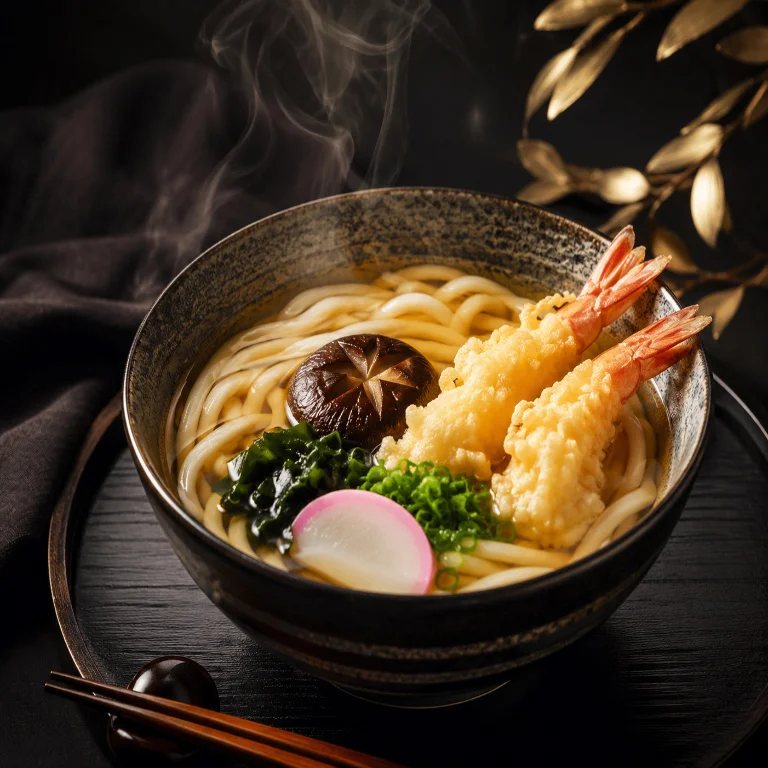
Imagine discovering a bowl of warm noodle udon soup for the first time. Steam rises from golden broth. Thick, chewy noodles wait beneath. You take one bite and feel transported. We at flavorsuggest.co has made it easy for you to know how to select premium quality and how to cook them with delicious taste.
What Are Udon Noodles Made Of?
Udon is a Japanese wheat noodle. It is thicker than most other noodles. The texture profile is chewy and bouncy. Beginners often ask what makes them unique.
Primary ingredients breakdown:
- Wheat flour forms the base.
- Water creates the dough consistency.
- Salt enhances flavor.
- Optional: eggs or tapioca starch.
Wheat flour provides around 80 percent of the recipe. Water gets added gradually. The hydration ratio affects final texture. Salt balances everything together.
Most udon uses refined wheat flour. Some regions use whole grains now. The processing method changes nutritional value. Quality ingredient matter significantly here.
How the Ingredients Create Signature Texture
Wheat flour contains gluten protein naturally. When you mix it with water, something happens. The proteins form networks under kneading. This creates that chewy, satisfying bite.
Water percentage is critical here. Too much makes mushy noodles. Too little creates tough, brittle texture. The ratio changes by region. Osaka style differs from Sanuki style completely.
Salt pulls the dough together. It strengthens gluten development. Salt also seasons from the inside out. Most traditional recipes use minimal salt amounts.
Regional Variations in Composition
Sanuki udon comes from Kagawa prefecture in Japan. These noodles are thicker than average. The water ratio creates specific bounce texture. Sanuki-style udon became famous for consistency.
Osaka udon uses different flour percentages. Fukuoka brings its own regional character. Each region developed noodles matching local broths. These composition differences matter to experts.
Fresh udon differs from dried or frozen varieties. Fresh versions have higher moisture content. The protein structure varies too. Cooking times change based on these differences.
Understanding Udon Noodle Structure & Quality
Noodle thickness directly impacts your eating experience. Thick noodles stay firmer longer. They resist becoming mushy for minutes. Thinner noodles absorb broth much faster. Texture contrast becomes important here.
Why thickness matters: It affects bite resistance. It changes cooking time significantly. Thick noodles provide different mouthfeel. Your broth choice should match your noodle thickness.
How gluten develops: Kneading creates the network. Resting time strengthens it further. Temperature affects development speed. Longer kneading creates chewier results.
Why udon holds sauce better: The starch content is high. Starch helps sauce cling to noodles. Thick surface area captures more broth. Thin noodles shed sauce quickly.
Starch content creates creamy broths naturally. When you cook udon, starch releases into water. This thickens your broth slightly. Many cooks use this to their advantage.
Udon vs. Soba Noodles: Which Should You Choose?
| Factor | Udon | Soba | Somen |
|---|---|---|---|
| Main ingredient | Wheat flour | Buckwheat | Wheat flour |
| Thickness | Very thick | Medium | Very thin |
| Texture | Chewy & bouncy | Firm with snap | Delicate |
| Chewiness | Very chewy | Earthy firm | Soft delicate |
| Flavor profile | Mild savory | Earthy complex | Subtle clean |
| Cook time fresh | 3-5 minutes | 4-5 minutes | 2-3 minutes |
| Best broth | Rich creamy | Light delicate | Cold dipping |
| Best use | Winter soups | Year-round | Summer cold |
| Fiber content | Lower | Higher | Lower |
| Gluten content | High | Low | High |
Ingredient differences explained: Udon uses wheat flour exclusively. Soba contains buckwheat flour. This changes everything about taste. Buckwheat creates earthier flavor notes. Soba pairs with lighter broths. Udon accepts rich, heavy broths.
Texture comparison: Udon is thick and chewy. Soba has a snappy, firm texture. Somen noodles feel delicate and soft. Your preference shapes which you buy. Some people like chew. Others prefer snap.
Cooking time comparison: Dried udon: 8-10 minutes Frozen udon: 2-3 minutes Fresh udon: 3-5 minutes Soba dried: 4-5 minutes Soba frozen: 1-2 minutes
Cost analysis: Udon costs less typically. Soba prices vary by quality. Frozen varieties cost similar amounts. Fresh options cost slightly more. Budget cooking often uses frozen udon.
When to use udon over soba: Use udon for hearty broths. Use soba for light, delicate broths. Udon handles tonkotsu well. Soba works better with light dashi. Your broth weight should match noodle type.
Types of Udon Noodles Available
Fresh udon: Find these in refrigerator sections. Shelf life is 3-5 days. Cook immediately for best results. Texture stays tender and delicate. Most restaurants use fresh versions. Cost is higher but quality shines.
Dried udon: These last for months unopened. Storage is simple and easy. Soaking takes extra time though. Cooking time is longer too. Budget option that works well. Texture is slightly denser than fresh.
Frozen udon noodles: The convenience option for busy people. No thawing required before cooking. Texture stays excellent after freezing. Cook time is only 2-3 minutes. Most home cooks prefer frozen. Quality remains surprisingly good.
Instant/pre-seasoned udon: These come with sauce packets. Cooking is extremely quick. Flavor is pre-mixed and instant. Quality varies between brands. Good for emergency meals. Less control over seasoning though.
Regional varieties: Sanuki udon: Thick, bouncy, Kagawa origin Inaniwa udon: Thin, delicate, specialty version Kishimen: Flat ribbon-style noodles Each region brings unique character. Specialty shops stock regional varieties. Most home cooks use standard varieties.
Frozen Udon Noodles: The Buyer’s Guide
Why frozen udon noodles work best for home cooks
Convenience factor matters. No soaking required before cooking. You grab them straight from freezer. Cooking takes just 2-3 minutes. Perfect for weeknight dinners. Your schedule stays flexible this way.
Texture maintenance is excellent. Freezing preserves the structure well. Fresh noodles become mushy quickly. Frozen versions stay chewy. Most people cannot taste the difference. Quality remains remarkably good.
Shelf life is much longer. Fresh lasts only days. Frozen lasts for months. You always have noodles ready. Budget cooking appreciates this flexibility. Bulk buying saves money long-term.
Budget-friendly option overall. Frozen costs less than fresh. More affordable than restaurant visits. Meals cost around $3-5 per serving. Great value for quality food. Family meals become affordable.
What to look for when buying
Read ingredient labels carefully. Watch for additives or preservatives. Some brands use minimal ingredients. Others add flour or starch. Simpler is usually better. Check country of origin too.
Noodle thickness varies between brands. Thicker noodles cost slightly more. Thicker noodles cook slower. Thinner varieties cook faster. Choose based on your preference. Package size matters for portions.
Country of origin affects quality. Japanese brands are usually superior. They follow traditional methods. Korean brands work well too. Some Western brands cut corners. Sanuki-style options guarantee quality.
Price range varies significantly. Budget brands cost $1-2 per package. Quality brands cost $2-4. Premium brands run $3-5. Value often improves with price. Your budget guides your choice.
Top brands and where to buy
Amazon carries Unha’s Japanese Sanuki Fresh Udon Noodles. These are starter picks for quality. Currently well-reviewed by customers. Shipping is fast and convenient. Price is competitive online. Free shipping sometimes available.
Asian grocery stores stock deeper selections. Specialty staff know their products. Multiple regional options available. Prices often beat online. You can inspect before buying. Community recommendations matter here.
Japanese grocery stores offer premium choices. Frozen sections are fully stocked. Staff expertise is excellent. Quality is guaranteed usually. Prices reflect specialty status. Worth the extra cost for quality.
Online specialty retailers ship nationwide. Selection is much wider. Prices vary between retailers. Reviews guide your first purchase. Bulk buying saves money. Shipping adds to total cost though.
Mainstream supermarkets have basic options. Quality is acceptable usually. Prices are convenient often. Selection is limited significantly. These work fine for beginners. Asian stores beat them on choice.
Quality indicators to check
Noodle color should be pale yellow. Not white, not dark brown. Pale yellow indicates quality. White means lower quality. Color reflects ingredient freshness. Inspect before purchasing if possible.
Package condition matters. Torn packages let freezer burn in. Frost buildup means age. Pristine packages ensure quality. Check seals carefully. Damaged packages skip entirely.
Cooking time consistency proves quality. Package should specify exact time. Vague instructions mean poor quality. Times should match your experience. Consistent results mean good product. Test one package first.
Flavor absorption capacity varies. Better noodles absorb broth deeply. Cheap noodles stay bland. Taste after cooking matters. Flavor cling is important. Quality shows in final dish.
Selecting Udon Noodles Gluten Free
Why traditional udon contains gluten:
Wheat flour is the base ingredient. Wheat contains gluten proteins naturally. Most commercial udon uses wheat flour. Cross-contamination risks exist in manufacturing. Shared equipment causes gluten traces. Celiac disease requires absolute avoidance. Wheat sensitivity varies by person. Label reading becomes mandatory.
Gluten-free udon noodle alternatives:
Buckwheat udon (soba, technically): Contains buckwheat flour instead. Lower gluten content overall. Earthier flavor than wheat. Different texture profile. Not truly gluten-free always. Check labels carefully still.
Rice-based udon substitutes: Made from rice flour. Naturally gluten-free option. Texture differs from wheat. Less chewy sensation. Milder flavor profile. Works well in soups.
Tapioca/cassava udon options: Alternative starch base. Bouncy texture possible. Different cooking requirements. Less traditional feel. Works for dietary needs. Texture quality varies.
Brand recommendations for gluten-free: Check specialty brands carefully. Online retailers stock these. Health food stores carry options. Some Asian brands make GF versions. Quality varies significantly. Read reviews before purchasing.
Where to buy gluten-free varieties:
Specialty health food stores stock them. Staff understand dietary needs. Selection is better than mainstream. Prices reflect specialty status. Quality is usually excellent. Community recommendations matter.
Online gluten-free retailers ship nationwide. Wide selection available. Prices are competitive. Shipping costs vary. Reviews guide purchasing. Bulk buying saves money.
Food labels matter significantly. Label reading prevents reactions. FDA standards apply always. Certifications ensure safety. Trust your sources completely. When uncertain, ask experts.
Cooking modifications for gluten-free udon:
Shorter cooking times needed often. Rice-based cook faster typically. Test at 1-2 minutes. Texture quality matters here. Water temperature affects results. Different starches behave differently.
Water temperature sensitivity is real. Some GF versions need cooler water. Others need hotter water. Follow package instructions carefully. Experimentation helps finding sweet spot. Temperature consistency matters.
Rinsing protocol differs sometimes. Traditional method skips rinsing. Some GF versions need rinsing. Check package directions always. Rinsing affects sauce cling. Different products have different needs.
How to Cook Udon Noodles: The Foolproof Method
Pre-cooking preparation:
Thawing frozen udon noodles is optional. You can cook straight from frozen. Direct cooking saves time. Thawing takes 30 minutes though. Both methods work equally well. Choose based on your timeline.
Water quality matters more than people think. Filtered water works best. Tap water is fine usually. Hard water can affect texture. Room temperature water starts. You will bring it to boil.
Pot size should be generous. At least 3 quarts minimum. 1 quart per serving is the rule. Overcrowding ruins everything. Noodles need space to move. Smaller pots create mushy results.
Step-by-step cooking instructions:
- Bring water to rolling boil (1 quart per serving).
- Add noodles, stir immediately to prevent sticking.
- Return to boil (cooking time varies by type).
- Frozen udon noodles: 2-3 minutes of simmering.
- Fresh udon: 3-5 minutes.
- Dried udon: 8-10 minutes.
- Test for doneness (slight resistance, not mushy).
- Drain in colander.
Do not rinse unless making cold noodle dishes. Rinsing removes starch. Starch helps sauce cling. Hot noodle dishes skip rinsing. Cold noodles get ice bath treatment.
Common mistakes to avoid:
Overcrowding the pot creates mushy noodles. Each noodle needs space. Water temperature drops with crowding. Cooking becomes uneven. Use bigger pots always.
Not using enough water causes starch accumulation. Starch thickens the water. Too much starch makes mushy texture. Use full amount of water specified. Never skip water recommendations.
Cooking too long destroys texture. Always test early. Start checking at minimum time. Frozen versions cook faster than expected. Remove immediately when done. Sitting in water ruins everything.
Rinsing when you should not removes starch. Starch needed for sauce cling. Hot noodles should not be rinsed. Only rinse for cold dishes. This single step matters greatly.
Seasoning and finishing:
Toss with light oil to prevent sticking. Oil also adds shine. Use neutral oil preferred. Sesame oil works too. This step matters for storage. Noodles clump without oil.
Add noodles directly to broth sometimes. Skip separate cooking then. This creates creamier broth. Starch releases directly into broth. Some recipes prefer this method. Others cook separately always.
Serve immediately for best results. Hot noodles lose quality fast. Sitting in hot broth overcooks them. Pour broth gently over noodles. Timing is everything here.
How to Make Udon Noodles From Scratch
Why homemade is worth attempting:
Control over ingredients is complete. You choose exact flour type. You select water quality. You decide salt amount. Additives stay nonexistent. Quality is superior always.
Superior freshness cannot be matched. Store-bought ages inevitably. Homemade goes straight to cooking. Texture quality peaks immediately. Nothing compares to fresh texture. This reward justifies the effort.
Cost if making in bulk becomes reasonable. Single batches cost more. Bulk making divides costs. Flour is cheap per serving. Water is free essentially. Salt costs pennies. Economics improve with scale.
Ingredients you will need:
High-protein bread flour is best. All-purpose flour works too. Bread flour creates better texture. Protein content matters greatly. Look for 12+ percent protein. Soft flours fail consistently.
Water in specific ratios matters tremendously. Ratio guides are usually 1:0.4 water to flour. Exact measurements create consistency. Weight measurements beat volume. Precision pays off here. Tap water is fine always.
Salt strengthens gluten development. About 2 percent of flour weight. Precise amounts help. Too much makes tough noodles. Too little loses structural benefit. Balance matters greatly.
Equipment needed: mixer or strong arms. Stand mixer saves your energy. Manual kneading works though. You need rolling space too. Clean countertop works fine. Parchment paper helps handling.
The kneading and resting process:
Initial dough mixing combines everything. Mix flour and water first. Add salt after initial mixing. Combine for 2-3 minutes. Stop when shaggy dough forms. Do not fully knead yet.
Kneading duration is 20-30 minutes. This develops gluten networks. Stand mixer takes 10-15 minutes. Manual kneading takes 30-40 minutes. Your arm will get tired. Persistence pays off here.
First rest period lasts 30 minutes. This allows gluten relaxation. Cover your dough loosely. Room temperature works fine. This rest allows hydration. Gluten strengthens during this period.
Second kneading session follows rest. Knead for another 10 minutes. This further develops structure. Your dough becomes smoother. The texture becomes silky gradually. Stop when dough looks perfect.
Final rest before rolling overnight is best. At minimum 4-6 hours. Cold fermentation improves flavor. Overnight creates superior noodles. Your schedule might not allow this. Shorter rests work too.
Shaping and cutting:
Rolling thickness should be 3-4 millimeters. Use a pasta roller if available. Manual rolling works though. Consistency matters most. Thinner noodles cook faster. Thicker noodles take longer.
Cutting widths for traditional udon: 8-10 millimeters is standard. Thinner cuts create different texture. Thicker cuts change cooking time. Knife cuts work perfectly. Pasta cutting machines help. Speed matters less than consistency.
Dust requirements prevent sticking. Flour dusting stops adhesion. Use generous amounts. Cornstarch works too. Shake off excess before cooking. Dust buildup causes issues.
Cooking fresh homemade udon:
Water temperature sensitivity is key. Boiling water is essential. Some test at lower temps. Higher heat creates better texture. Never use cold water. Gradual heat causes mushiness.
Testing for doneness (fresh equals faster cook). Homemade cooks in 3-4 minutes. Fresh texture appears quickly. Slight resistance indicates doneness. Do not overcook here. One minute difference matters.
Why cooking water becomes thick. Starch releases from noodles. This thickens your cooking water. Some use this for broth. Others drain completely. Your choice affects final dish.
Storage for homemade udon:
Fresh noodles last same day only. Eat or cook immediately. Refrigeration extends life slightly. One day maximum in fridge. Quality declines afterward. Fresh tastes best always.
Freezing for later takes work. You must dry the noodles first. Freeze for up to 3 months. Thaw in refrigerator before cooking. Cooking time increases slightly. Frozen homemade works well.
Classic Noodle Udon Soup Recipes
1. Traditional Kake Udon (Hot Broth, Simple)
Best for: Beginners, weeknight dinners.
What makes it work: Light dashi broth lets noodles shine. Simple preparation teaches fundamentals. Nothing masks the noodle quality. You taste pure, clean flavor.
Ingredients:
- Frozen udon noodles (1 serving).
- Dashi stock (4 cups).
- Soy sauce (1.5 tablespoons).
- Mirin (1 tablespoon).
- Green onion for topping.
- Tempura flakes optional.
- Kamaboko (fish cake) optional.
Cooking time: 15 minutes total.
Instructions:
- Bring water to boil.
- Add frozen noodles directly.
- Cook 2-3 minutes.
- Meanwhile, heat dashi gently.
- Drain noodles completely.
- Place noodles in bowls.
- Pour hot dashi over top.
- Garnish with green onion.
- Serve immediately.
Why this teaches you basics: You learn noodle texture expectations. You taste what good dashi tastes like. Simple approach builds confidence. This classic broth never disappoints anyone.
2. Creamy Tantanmen-Style Udon Soup
Best for: Rich flavor lovers.
What makes it work: Sesame-based broth clings to noodles. Creamy sauce coats everything evenly. Rich flavors satisfy completely. Warming sensation lingers.
Ingredients:
- Frozen udon noodles.
- Sesame paste (3 tablespoons).
- Chicken broth (4 cups).
- Soy sauce (1 tablespoon).
- Mirin (1 tablespoon).
- Spice paste (optional).
Cooking method: 20 minutes.
Instructions:
- Heat chicken broth gently.
- Mix sesame paste with water.
- Add sesame mixture to broth.
- Season with soy and mirin.
- Cook frozen noodles separately.
- Pour sesame broth into bowls.
- Add cooked noodles.
- Customize spice level.
Customization options: Vegetarian uses vegetable broth. Vegan skips any animal products. Meat lovers add ground pork. Spice lovers add chili paste. You control final flavor completely.
3. Miso-Based Udon Soup (Rich & Warming)
Best for: Cold weather, comfort food seekers.
What makes it work: Miso’s umami depth satisfies deeply. Warming sensation spreads throughout. Comfort feeling appears instantly. This soup hugs you from inside.
Ingredients:
- Frozen udon noodles.
- Miso paste (2 tablespoons).
- Dashi stock (4 cups).
- Stock base vegetables.
- Green onions.
- Tofu optional.
Pro tip: Cook noodles separately. This prevents miso clouding. Miso stays clear and beautiful. Cloudiness tastes fine. But appearance matters.
Serving suggestions: Season at table for customization. Some people like more salt. Others want extra umami. Individual adjustment works best.
4. Zaru Udon (Cold Noodle Salad)
When to make it: Summer, light appetite.
What makes it work: Cold noodles contrast with warm dipping sauce. Refreshing sensation on hot days. Light feeling appeals always.
How to cook udon noodles for cold service:
- Cook, then drain completely.
- Place in ice bath immediately.
- Chill in refrigerator.
- Oil lightly to prevent clumping.
- Chill until serving time.
Dipping sauce prep: Mentsuyu concentrate works well. Use bottle instructions for dilution. Fresh dashi works too. Ratio matters for flavor balance.
Toppings: Cucumber slices, fresh ginger, wasabi, nori. These add crunch. Fresh flavors balance richness.
Make-ahead: Yes, up to 3 days. Store noodles in containers. Keep dipping sauce separate. Assemble just before serving.
5. Warm Vinegar-Based Udon Broth
When to make it: Year-round, sour/tangy preference.
What makes it work: Bright acidity balances rich noodles. Digestive benefits come naturally. Complex flavor develops gradually. Sophisticated taste appeals to many.
Recipe of udon noodles: Vinegar-ponzu method.
Cooking steps: 12 minutes total.
Health angle: Vinegar aids digestion naturally. Warm broths soothe stomachs. Clean flavors feel light. This preparation feels healthy.
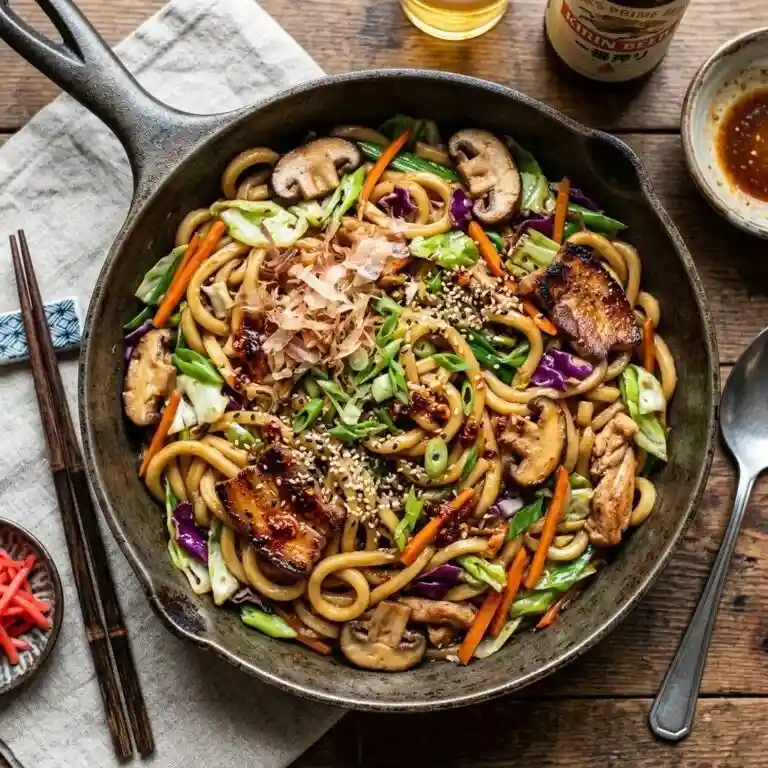
6. Recipe Stir Fry Udon Noodles (Yakiudon)
Why stir-frying works: Caramelization creates depth. High heat develops flavors. Noodle surfaces char beautifully. Restaurant quality appears possible.
What makes it work: High heat, pre-cooked noodles, proper technique.
How to cook udon noodles for stir-fry:
- Cook frozen noodles 70 percent only.
- Make them slightly firmer.
- Drain and cool slightly.
- Oil lightly before stir-frying.
Ingredient ratios:
- Frozen udon noodles: 1.5 servings per recipe.
- Sauce: Worcestershire, soy, oyster sauce blend.
- Protein & vegetables: 50 percent of noodle weight.
Cooking technique:
- High heat (medium-high burner).
- Continuous stirring (2-3 minutes).
- Sauce addition at the end.
- Toss everything constantly.
Flavor variations:
- Classic yakiudon (meat & cabbage).
- Seafood yakiudon (shrimp, squid).
- Vegetarian yakiudon (mushroom forward).
Serving: Direct from pan. Optional bonito flakes on top.
7. Spicy Chili Oil Udon Noodles
Heat level customization: Mild to fiery, your choice.
Recipe of udon noodles: Chili-garlic sauce base.
Ingredients:
- Frozen udon noodles.
- Chili oil (quality matters).
- Aromatics (garlic, ginger).
- Broth base optional.
Cooking method: Broth-based or oil-tossed styles.
Toppings: Cilantro, lime, peanuts, fried shallots.
Make it vegan: Broth substitutions work perfectly.
8. Umami Bomb: Mushroom & Truffle Udon Soup
Best for: Elevated entertaining.
Recipe of udon noodles: Restaurant-quality depth.
Mushroom varieties: Why different types matter. Shiitake brings earthiness. Cremini adds meatiness. Oyster mushrooms stay delicate.
Broth building: Layered umami approach. Build depth gradually. Start with quality stock. Add kombu next. Then bonito flakes. Mushrooms come last.
Cost management: When to splurge on truffle oil. A little goes far. Quality makes difference. Sometimes not necessary. Your budget decides.
Vegan-friendly: No broth modifications needed. Plant-based broths work well. Mushrooms provide umami. Truffles stay vegan. This dish works completely.
Why Your Udon Noodles Are Not Perfect (And How to Fix It)
Problem: Mushy noodles
Cause: Overcooked (especially with frozen udon noodles) Solution: Start 1-2 minutes earlier than package suggests Prevention: Set timer, test at 2-minute mark
Frozen varieties cook faster than people realize. Package times are often conservative. Start checking at two minutes. Visual doneness appears quickly. Remove immediately when ready.
Problem: Noodles taste bland
Cause: Not salting cooking water properly Solution: Water should taste like sea water Prevention: Add salt early, taste as you go
Your cooking water matters tremendously. It seasons noodles from outside. Water without salt creates bland results. Add salt at boiling time. Adjust gradually based on taste.
Problem: Noodles stick together in clumps
Cause: Insufficient water, starch not rinsed Solution: Use 1 quart water per serving minimum Prevention: Stir immediately after adding noodles
Crowding is the main culprit. Each noodle needs space. Stir right when they hit water. Keep stirring for one minute. Noodles separate this way.
Problem: Broth tastes one-dimensional
Cause: Single-flavor base Solution: Layer flavors (see multi-broth technique) Prevention: Use stock plus aromatics plus acid plus umami
Complex broths require planning. Start with quality stock. Add aromatics (garlic, ginger). Include acid (vinegar, citrus). Top with umami (soy, miso). Each layer builds depth.
Problem: Cannot find quality frozen udon noodles
Solution: Check Asian grocery stores first Alternative: Order online, bulk buy to save money Backup: Fresh udon from specialty sections
Your local options matter. Asian stores stock best selections. Online retailers offer convenience. Bulk buying saves significantly. Premium costs justify the quality.
Storage and Make-Ahead Tips
Cooked udon noodles: Refrigerate up to 2 days (in light oil)
Keep them in airtight containers. Oil prevents sticking. Moisture gets sealed in. Check before using always.
Broths: Freeze in ice cube trays (component cooking)
Each cube stores one serving. Combine cubes for meal prep. Thaw overnight in fridge. Reheat gently before serving.
Sauce components: Label and date (up to 1 week)
Store separately from noodles. Label everything clearly. Date each container. Use within timeframe. Freshness matters for flavor.
How to cook udon noodles ahead: Par-cook method explained
Cook noodles 70 percent only. Cool immediately. Oil lightly. Store in fridge. Finish cooking before serving. This prevents mushiness
Flavor Intensity vs. Preparation Time Matrix
Low effort, subtle flavor: Kake udon, zaru udon
Low effort, bold flavor: Chili oil, miso-based
High effort, premium flavor: Homemade noodles plus house-made broth
Medium effort, maximum flavor: Store-bought noodles plus layered broth technique
SECTION 8: CONCLUSION & NEXT STEPS
Quick recap: Udon noodles are made of wheat. They stay thick and chewy. Versatile cooking methods exist. Frozen versions work wonderfully. Many recipes are possible. Your skill level does not matter.
Your action step: Start with frozen udon noodles. Choose one of the 3 easiest recipes. Cook it this week. Notice what you enjoy. Adjust next time based on results.
Save this guide: Use the decision tree next time. Reference during meal planning. Share with cooking friends. Bookmark for future visits. This becomes your resource.
Level up: Try homemade once you master basics. Experiment with different broths. Create your own recipes. Build confidence gradually. Your palate will develop.
People Asked Questions
What is the best way to store cooked udon noodles?
Store cooked noodles in airtight containers. Keep them refrigerated. They last 3 to 4 days safely. Toss with a tiny bit of oil. This prevents them from sticking together. Reheat by dipping in hot water.
Can I use instant ramen noodles instead of udon?
Technically yes, but results differ. Instant ramen tastes completely different. The texture is lighter and less chewy. Flavor profiles are bold and seasoned. Udon stays mild and neutral. Your broth needs much less seasoning with instant noodles.
How thick should udon noodles be?
Traditional udon is very thick. Thickness usually ranges from 3 to 4 millimeters. This creates the signature chewiness. Thinner varieties exist but taste different. Noodle thickness directly impacts texture quality. Thicker noodles resist mushiness longer.
What is dashi made from?
Dashi uses kombu seaweed and bonito flakes. Kombu is dried kelp. Bonito flakes come from dried fish. These simmer together briefly. This extraction method pulls flavor without bitterness. The result is light, clear broth.
Is udon soup healthy?
Noodle udon soup provides reasonable nutrition. Wheat flour offers B vitamins naturally. The broth delivers minimal calories. Vegetables add nutrients significantly. Overall, yes, it qualifies as balanced. Portion sizes matter like any meal.
What makes restaurant udon taste better?
Restaurants use dashi made fresh daily. They simmer broths for hours. Quality ingredients cost more money. The technique represents years of experience. Your homemade versions improve with practice. Fresh dashi makes the biggest difference.
Can I make udon noodle soup vegan?
Absolutely. Use vegetable dashi instead of fish-based. Vegetable stock works perfectly. Miso soup becomes naturally vegan. Skip the bonito and kombu usually means nothing loses umami. Many vegan options taste excellent.
How do I prevent mushy noodles?
Start checking at the minimum time. Frozen noodles often cook faster than package suggests. Remove them immediately when done. Do not let them sit in hot water. Pour them into broth right away. Timing discipline prevents mushiness.
What is the difference between fresh and frozen udon?
Fresh udon tastes slightly better usually. The texture feels more delicate. Frozen versions work nearly as well though. The convenience justifies the minor flavor difference. Most people cannot detect the difference. Budget matters more than taste typically.
Where can I find quality udon brands?
Japanese grocery stores carry the best selection. Amazon stocks popular brands nationally. Specialty stores have knowledgeable staff. Frozen sections always have options. Check current reviews before purchasing. Sanuki-style options represent premium quality. Brand reputation matters considerably.
What is the best udon broth recipe?
The best udon broth starts with quality dashi. Classic broth uses just dashi, soy sauce and mirin. This classic udon soup approach never fails. Light dashi broth stays clear and subtle. Hot dashi broth tastes complex yet delicate. Your basic udon broth follows simple ratios.
Why does my udon taste bland?
Bland food usually means insufficient seasoning. Your ratio of soy sauce matters greatly. The foundation needs proper balance. Broth-based soups depend on quality stock. A good dashi base transforms everything. Season gradually and taste constantly.
Can I use curry roux in udon?
Japanese curry roux works wonderfully. Curry udon flavor appeals to most people. The curry sauce coats each noodle. Cook the roux separately from noodles. Combine them just before serving. This curry udon approach is very easy.
What vegetables should I include?
Sliced green onion works in every style. Green onions add fresh flavor notes. Vegetables like carrot add crunch. Apple offers subtle sweetness sometimes. Coconut oil appears in some regional styles. Shichimi togarashi is a seven-spice blend.
How do I achieve wok fragrance?
High heat is absolutely essential here. Wok-charred noodles develop at very high temperatures. The edges char and caramelize slowly. Wok fragrance fills your entire kitchen. This aromatic quality signals proper technique. You need discipline maintaining heat consistency.
What does koshi bite mean?
Koshi bite refers to noodle texture specifically. It means that bouncy, springy resistance. Japanese cooks value this quality highly. Koshi describes the ideal bite sensation. A noodle with good koshi snaps back. Firm texture indicates proper cooking.
Is there a gluten-free option?
Rice-based udon noodles work for celiac disease. Celiac disease requires strict gluten avoidance. Rice-based udon differs in texture significantly. The chewiness reduces noticeably. Gluten-free alternatives still taste good though. Many specialty stores stock these options.
What is the easiest recipe?
Kake udon recipe is the absolute simplest. You need just frozen udon noodles. Water, dashi concentrate and soy sauce. Green onions for garnish finish it. This very easy preparation takes 10 minutes maximum. The difficulty is truly minimal.
How long does preparation take?
A: Quick meals happen in 10 to 15 minutes. Budget cooking uses frozen noodles mainly. Little effort means maximum flavor reward. Three hours total preparation applies to homemade versions. Most frozen recipes take under 20 minutes. Fresh noodles need 15 to 20 minutes.
References
- Harvard T.H. Chan School of Public Health. “Nutrition Source.” https://www.hsph.harvard.edu/nutritionsource.
- USDA Food Safety and Inspection Service. “Food Safety Basics.” https://www.fsis.usda.gov.
- Food and Drug Administration. “Food Labeling Guide.” https://www.fda.gov.