Beef Pizzle: Benefits, Risks, Bully Stick Safety & Dog Chews
Your dog goes absolutely wild for that chewy stick. You picked it up at a local pet boutique, flipped it over and saw two words: beef pizzle. You froze for a second. What even is this thing?
Here is the short answer: beef pizzle is the dried penis of a bull or steer. It sounds odd but it is one of the most popular natural dog treats on the planet. Pet parents love it. Dogs go crazy for it. And once you understand what it actually is and how it is made, it makes a lot more sense.
This guide covers everything from the beef pizzle meaning to how it is processed, who it is safe for and whether your dog should be chewing one right now.
What is Beef Pizzle?
Beef pizzle is an old English term for bull penis. The word pizzle goes back centuries and was used to describe the penis of an animal, particularly cattle. Today, the pet industry uses it as the technical or raw term for what gets sold commercially as bully sticks.
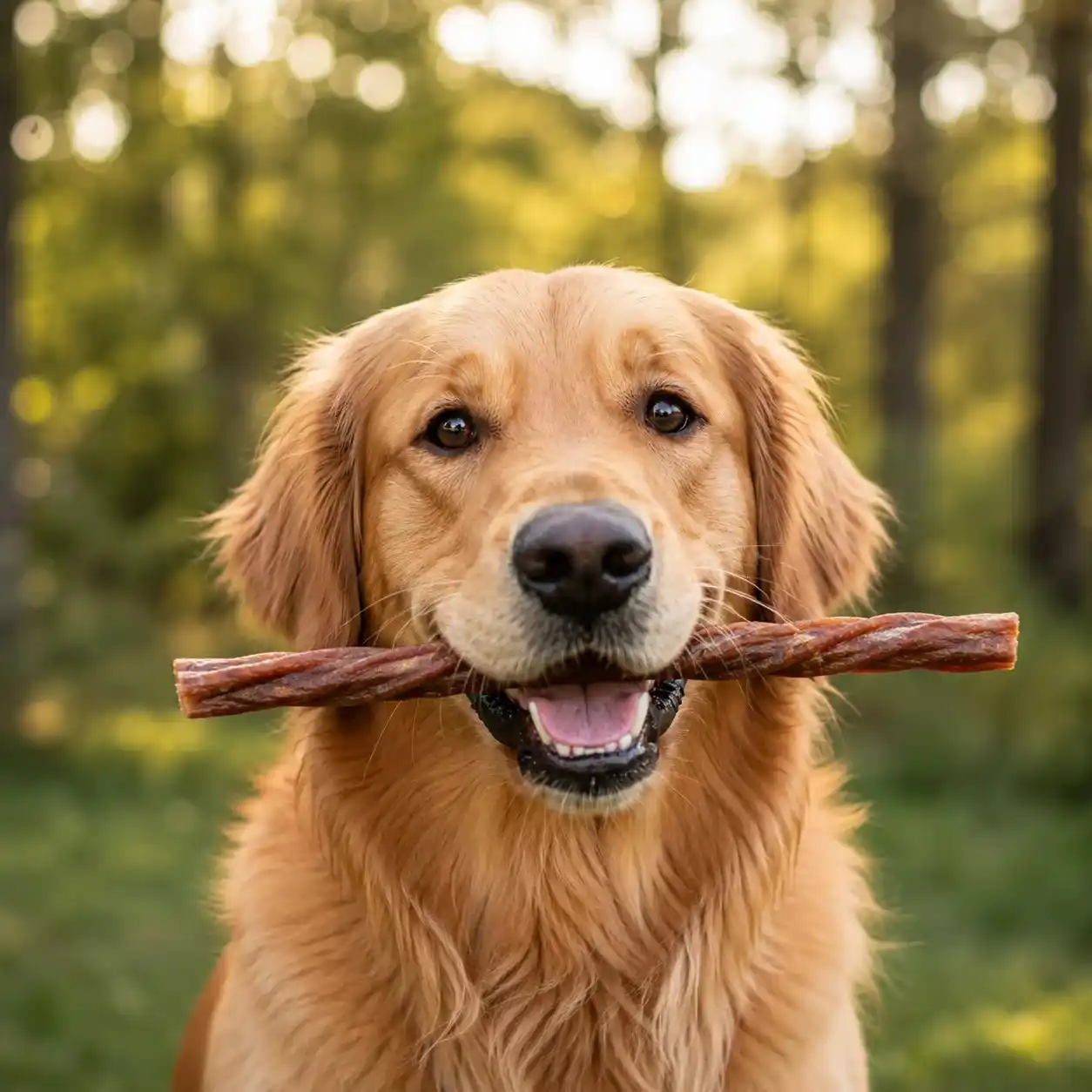
It comes from bulls and steers. The muscle tissue is dense, fibrous and pure muscle. There is very little processing involved in the basic form. You take the raw material, clean it, dry it and you have a natural dog chew that dogs absolutely love.
The reason it is called a bully stick in stores is simple marketing. Not everyone wants to read bull penis on a label at the checkout counter. So the industry settled on bully stick as the friendly commercial name.
Beef pizzle and bully stick refer to the exact same product. Do not let the naming confusion throw you off.
Beef Pizzle vs Bully Stick
People often search “beef pizzle vs bully stick” thinking they are two different things. They are not. The difference is just language and stage of production.
Beef pizzle is the raw term. It refers to the fresh, unprocessed organ sourced from cattle. Bully stick is what that same raw material becomes after it goes through cleaning, drying and packaging.
| Feature | Beef Pizzle (Raw Term) | Bully Stick (Commercial Product) |
|---|---|---|
| What it is | Raw bull or steer penis | Dried, processed pizzle |
| Stage | Pre processing | Post-processing |
| Where you hear it | Farms, butchers, ingredient lists | Pet stores, product labels |
| Additives | None | Usually none (single-ingredient) |
| Smell | Strong natural scent | Milder or odor-free versions |
The production process is what turns beef pizzle raw into the finished stick your dog chews. That step matters a lot for quality and safety, which we cover below.
What is Beef Pizzle Made Of?
This is one of the most searched questions around this product. People want to know if there is anything hidden in there.
The answer for a proper single-ingredient treat is nothing but 100 percent beef muscle. Beef pizzle is made of pure muscle tissue from the bull or steer. It is not organ meat like liver. It is not processed scraps. It is 100 percent beef muscle tissue that happens to come from a specific anatomical location.
From a nutrition standpoint, that means it is roughly 80 percent pure protein by weight. It is relatively low in fat compared to some other dog treats, making it a good healthy daily reward for most dogs. It contains amino acids that support healthy muscle development. It also delivers steady energy without a sugar spike.
You will sometimes see beef pizzle described alongside terms like beef muscle or beef pizzle meat. These all refer to the same dense, fibrous natural muscle tissue.
In high-quality, single-ingredient versions, there are no artificial flavors, no artificial preservatives, no artificial colors, no chemical additives and no artificial sprays. What you get is 100 percent beef muscle tissue and nothing else. That is it.
Compared to products that use synthetic options, artificial smoke sprays, synthetic bacon spray or chemically flavored bases, a clean beef pizzle stick is a far superior choice for your dog.
Is Beef Pizzle Safe for Dogs?
Yes, beef pizzle is safe for dogs when sourced well and used correctly. The safety level is generally rated as very safe compared to alternatives like rawhide or bleached rawhides.
Here is the honest breakdown.
Digestibility is the big win: Beef pizzle is highly digestible. Dogs can digest it easily through normal stomach acids. It does not sit in the stomach the way rawhide does. This makes it a much better option for most dogs compared to rawhide, which is indigestible for many animals.
Supervision is required: Never leave your dog alone with any chew, including this one. Once the stick gets small enough to swallow whole, there is a risk of blockages. Dangerous blockages can be life-threatening, so take the chew away when it gets down to a small nub.
Size matching matters: Smaller breeds should get bite-sized pieces or shorter, thinner sticks. A strong chewer from a larger breed needs a thicker stick to make it last and stay safe. Matching the variety of sizes to your dog is important.
Choking is a real risk if you get the size wrong: A stick that is too small for a large dog can be swallowed quickly, which creates risk. A stick that is too large can also cause issues if a dog tries to bite off chunks aggressively.
Breed and age suitability: Some dogs with dental problems or worn teeth may struggle with a tough exterior. There are rare cases where overly aggressive chewers can break teeth on very hard, dried chews. This risk is low but worth knowing.
Overall, the digestibility, the cleaner flavor profile and the higher nutritional value make beef pizzle a very safe option compared to bleached rawhides, plastic chew toys or nylon bones.
Benefits of Beef Pizzle for Dogs
There are real, practical reasons why pet parents keep buying these and why dogs keep asking for them.
Dental health: The intense mechanical chewing action scrapes soft plaque and tartar off teeth. Regular chewing activity supports dental hygiene and can help reduce the risk of periodontal disease over time. The chewing experience creates natural moisture and saliva flow, which also supports canine health.
Protein and nutrition: With 80 percent pure protein content, beef pizzle delivers genuine nutritional value. The amino acids support healthy muscle development. It works as an excellent reward without loading your dog up on empty fillers.
Mental stimulation: Dogs have a natural instinct to chew. Giving them a long-lasting chewing experience satisfies that dog’s natural craving and keeps them mentally engaged. The sensory reward from gnawing on something tough and fibrous keeps dogs occupied and calm.
Long chewing sessions: The tough fibrous texture means it takes time to get through. That long-lasting chew behavior is great for high-energy dogs or dogs prone to anxiety. Engaging your dog’s palate and keeping them busy is a real benefit.
Natural and clean: The authentic flavor profile, the natural flavor compounds and the rich roasted beef taste all come from the beef itself. There is no synthetic flavoring involved. The authentic taste appeals to your dog’s natural preferences.
Risks and Concerns
Every chew has a downside. Beef pizzle is no different.
The smell: This is the most common complaint. The strong natural scent of beef pizzle is real. Some describe it as a musky beef odor. It is the natural result of drying pure muscle tissue.
Odor-free versions exist, but they typically involve additional processing. If smell is a dealbreaker, look for slow-roasted or baked options, which tend to produce smellier options but some brands market odor-free versions specifically.
High calorie intake: Beef pizzle is a healthy daily reward in moderation. But it is calorie-dense. If your dog is on a strict diet or gaining weight, factor the stick into their daily food intake. Overconsumption is a real concern for dogs prone to weight issues.
Bacterial contamination risk: Poorly sourced beef pizzle can carry bacteria if it is not thoroughly cleaned during production. This is why sourcing from brands that use free-range cattle, grass-fed cattle and transparent production processes matters. Low-quality products skip proper cleaning and washing steps.
Choking and blockage risk: As mentioned above, risk of blockages increases when chews get small. Monitor your dog during any chewing activity and remove the chew when it becomes a nub.
How Beef Pizzle is Processed
The production process is what separates a premium beef pizzle stick from a low-quality one.
It starts with raw material from cattle. Good producers use grass-fed, free-range cattle. The raw pizzle is then thoroughly cleaned and washed to remove bacteria and contaminants. This step is non-negotiable for a safe product.
After cleaning, the pizzle is stretched and hung vertically. This prevents curling during the drying process. Some producers twist or braid them, which gives you the braided sticks you see on shelves.
The drying process is the key quality variable. Premium products use a slow drying process over roughly 72 hours. Some use slow roasting or slow cooking in large ovens. Others use baking or a combination of methods. The longer and slower the process, the denser and tougher the final texture tends to be.
A properly dried straight stick should have a tough exterior with a fibrous texture inside. The dark roasted aroma and rich roasted flavor are results of the Maillard reaction, the same chemical process that gives seared steak its surface crust and deep flavor.
Cheaper products rush the drying process. They may also add chemical additives, artificial preservatives or artificial colors to compensate for inferior raw material. Always check the ingredient list on the label. Explore our Flavorfinder tool to find the best beef pizzle flavors. The best beef pizzle sticks have one ingredient and that is beef pizzle.
Beef Pizzle for Puppies vs Adult Dogs
Age matters when choosing a chew.
Puppies have softer teeth and developing jaws. Introducing beef pizzle too early or with a chew that is too tough can damage developing teeth. For puppies, look for smaller, thinner sticks or bite-sized pieces specifically designed for young dogs.
Adult dogs can handle the standard stick and even the braided sticks, depending on their chewing habits. Strong chewers usually need a thicker, denser variety to get the long-lasting chewing experience without finishing it too fast.
Puppies under 16 weeks are generally too young for any hard chew. After that, start small, supervise closely and watch how your puppy handles the texture. Chewing habits develop early, so introducing natural chews at the right stage helps build healthy behavior.
Senior dogs with softer gums or dental problems may need softer alternatives. If your vet has flagged any dental concerns, check with them before introducing beef pizzle to an older dog.
Beef Pizzle vs Rawhide vs Other Alternatives
A lot of pet parents come to beef pizzle after getting nervous about rawhide. That concern is valid.
| Chew Type | Digestibility | Ingredients | Safety Level | Smell |
|---|---|---|---|---|
| Beef Pizzle | Very High | Single-ingredient | Very Safe | Moderate to strong |
| Rawhide | Very Low | Often bleached/treated | Lower | Low |
| Bleached Rawhides | Very Low | Chemical processing | Lower | Very Low |
| Nylon Bones | Indigestible | Synthetic | Moderate | None |
| Pig Ears | High | Single-ingredient | Safe | Moderate |
| Dental Sticks | Moderate | Often multi-ingredient | Moderate | Low |
| Antlers | High | Natural | Safe for strong chewers | None |
Rawhide is made from animal hide, not muscle. It goes through chemical processing and it does not digest easily. Bleached rawhides are even more processed. They are indigestible for most dogs and a serious blockage risk.
Nylon toys and plastic chew products are not digestible at all. They can work for light chewers who just need something to gnaw on, but they offer zero nutritional value.
Pig ears are a fair alternative with a mild pork flavor and good digestibility, but they are greasier and higher in fat.
Antlers last longer than almost anything, but they are very hard and carry a risk of breaking teeth in aggressive chewers.
For most dogs, beef pizzle is the cleanest, most natural and most digestible option in this group.
Where to Buy Beef Pizzle
You can find beef pizzle for dogs at local pet supply stores, local pet boutiques and online through platforms like Amazon. Buying in bulk packages online is often the best value if your dog goes through them regularly. Buy the Bully Sticks on Amazon.
When buying, read the ingredient list carefully. The only word you should see is beef pizzle or beef. Anything else is a red flag.
At the checkout counter in chain stores, you will often find branded options. Specialty local pet boutiques tend to carry higher-quality sourcing with more transparency about where the cattle come from.
For more expert information, reviews and fresh rankings, visit Food flavors guide. The guide covers honest advice on dog treats, sourcing standards and top flavors worth trying.
If you prefer bulk online shopping, look for grass-fed and free-range sourcing labels. Prices vary widely, but for a single-ingredient treat, you often get what you pay for.
Frequently Asked Questions
What is beef pizzle made of?
What is beef pizzle made of? It is made of 100 percent beef muscle tissue from a bull or steer. There is nothing added in a proper single-ingredient product. It is pure protein from pure muscle.
Is beef pizzle natural?
Yes. It is a natural animal by-product that gets cleaned and dried. No synthetic ingredients are needed to make a quality beef pizzle stick.
Why do dogs love it?
Dogs love the intense savory flavor profile, the umami taste and the rich roasted beef aroma. The chewing experience also satisfies their natural instinct to gnaw.
Does it smell?
Yes, it can. The strong natural scent is a result of the drying process. Odor-free versions are available. They go through additional processing to reduce the smell, but the authentic flavor profile may also be milder.
Is it raw or cooked?
Beef pizzle is not raw in the final product. It goes through drying, slow roasting, baking or slow cooking during the production process.
What is a beef pizzle?
It is the dried, processed penis of a bull or steer. It is a natural dog chew with high protein content, good digestibility and authentic beef flavor. Dogs love it and it supports dental health through natural chewing activity.
Is beef pizzle good for your dog?
Yes, for most dogs it is a very good treat. It delivers pure protein, supports dental hygiene, provides mental stimulation and is highly digestible.
Why do not vets recommend bully sticks?
Some vets express caution because of calorie density, bacterial contamination risk from poor sourcing and the choking risk if the stick is not monitored. These are valid concerns. However, many vets do recommend beef pizzle as a natural dog chew when sourced from quality producers and used with supervision. The concerns are about misuse and poor sourcing, not the product itself.
What is the difference between beef pizzle and bully sticks?
There is no functional difference. Beef pizzle is the raw material name. Bully stick is the commercial product name for the same thing after it has been cleaned, dried and packaged.
Is beef pizzle the same as a pizzle stick?
Yes. A pizzle stick is simply another common name for a bully stick made from beef pizzle. The terms are interchangeable.
References
- FlavorSuggest. Dog treat reviews, rankings and sourcing guides. www.flavorsuggest.co
- Journal of Veterinary Dentistry. Studies on mechanical chewing and plaque reduction in dogs.
- Pet Food Institute. Guidelines on single-ingredient pet treats and labeling standards.
- ASPCA Animal Poison Control. General chew safety guidelines for pet parents.