Best Protein Powder for Weight Loss 2026: Find the Best Option
Picture this. You finish a tough workout, walk into the kitchen and your hunger hits like a wall. Every snack in sight is calling your name. Staying in a calorie deficit feels impossible in that moment. But what if a single drink could shut down that hunger, protect your muscle and actively support fat burning?
One that tastes like a chocolate milkshake. That rich chocolate milkshake flavor is not a gimmick. Thick, creamy and genuinely satisfying. That is exactly what the right protein supplementation does for your body and your goals.
So what is the best protein powder for weight loss? The direct answer is whey protein isolate, micellar casein and clean plant-based protein blends. These three types deliver a concentrated dose of macronutrients with a high protein-to-calorie ratio.
They suppress appetite naturally, elevate your metabolic rate, support lean muscle preservation and keep you in a sustainable calorie deficit without feeling deprived. They are also the foundation of smart fitness nutrition and recovery nutrition for anyone serious about fat loss.
But nutrition labels alone do not tell the full story. If your shake tastes chalky and clumps in your bottle, you will stop drinking it. Consistency is everything.
So we are going to break down what actually works: the science, the types, the top brands and the flavor profiles. That way you find a protein supplement you genuinely look forward to every single day.
How Protein Powder Supports Weight Loss and Metabolic Rate
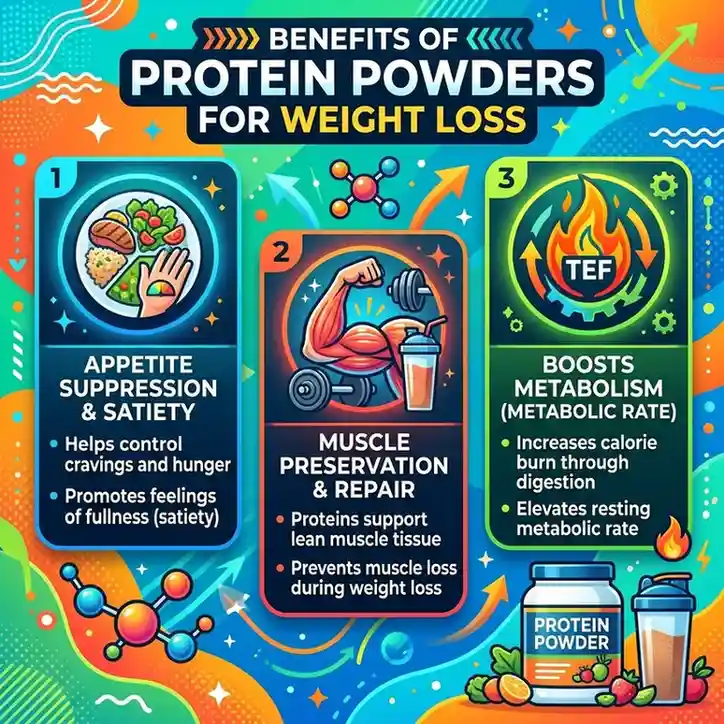
Before choosing a product, you need to understand why high-protein dieting works at a biological level. Three specific physical reactions drive the results.
First, protein is the most powerful appetite suppression tool in your diet. When you consume a high-protein shake, your body begins lowering hunger hormones immediately. The ghrelin hormone, responsible for hunger signals, drops. A slower protein digestion rate from casein keeps it suppressed even longer.
At the same time, increasing fullness hormones signal to your brain that you have eaten a real, satisfying meal. This is hormonal appetite regulation in action. A thick creamy shake triggers the same satiety response as solid food. That satisfying fullness often lasts three to five hours.
Second, protein protects lean body mass during a calorie deficit. When you eat less than you burn, your body can break down muscle tissue for energy. This process is called muscle catabolism. Keeping your dietary protein intake high tells your body to burn stored fat instead. Preserving muscle mass while preserve lean muscle during fat loss is the core goal of protein supplementation.
This matters because calorie-burning muscle tissue does more work at rest than fat does. Preserving muscle means a higher resting metabolic rate, even while you diet. This is how protein supplementation directly supports healthy metabolism and clean nutrition goals.
Third, digesting protein costs energy. This is the thermic effect of food. Your body expends up to 30 percent of the calories in a protein shake just to break it down, supporting macronutrient metabolism and caloric utilization. That means a 120-calorie serving of whey protein isolate delivers fewer net calories than the label shows.
The insulin response to protein is also lower than to carbohydrates, which supports metabolic activity, limits protein oxidation for energy and reduces fat storage signals. You are literally burning calories while absorbing amino acids.
No other macronutrient offers that level of thermogenesis and energy expenditure. This metabolic adaptation is why high-protein dieting consistently outperforms low-protein approaches for sustainable dieting and long-term fat loss.
Types of Protein Powder for Weight Loss: A Complete Breakdown
Walking the supplement aisle can feel overwhelming. Every label makes bold claims. Here is a clean, honest breakdown of each type, including what it tastes like and who it is best suited for.
Whey Protein Isolate
Whey is a byproduct of cheese production. Whey protein isolate is the most refined form. It is processed to remove nearly all the fat and lactose. What remains is a fast-digesting, easy-to-mix protein shake that delivers maximum amino acids directly to your muscles within 30 to 60 minutes.
For weight loss and muscle recovery, whey isolate is the gold standard. It is a true low-carb protein option. Low calorie, lactose-free and easy on digestion. Ideal for anyone managing gastrointestinal tolerance concerns.
From a sensory standpoint, whey isolate blends into a smooth milky texture. Vanilla flavored and chocolate flavored options are rich without being heavy. Mixed with just water, a high-quality whey isolate still delivers a smooth blending experience every time.
Micellar Casein
Casein also comes from dairy, but its digestion kinetics are completely different. Where whey absorbs quickly, casein forms a slow-digesting gel in your stomach. This provides a steady release of amino acids over four to seven hours.
That makes it exceptional for hunger management across long gaps between meals and for controlling late-night cravings. It is a recovery-focused protein source with powerful appetite suppression benefits.
The texture of casein is noticeably thicker than whey. Mixed with a small amount of liquid, it creates a creamy protein pudding. Blended with ice and milk, it becomes a thick creamy shake with an ice-cream-like consistency.
That dessert-like protein shake experience makes casein one of the most enjoyable daily shake options available. If you find yourself raiding the kitchen at 10pm, this filling breakfast drink alternative before bed is one of the most effective tools in weight management.
Plant-Based Protein Powder
Plant-based protein blends typically combine pea protein, rice protein and hemp protein. They are an excellent dairy-free protein solution for anyone with lactose intolerance or a preference for vegan-friendly nutrition.
Earlier generations of plant protein had a gritty plant protein texture and earthy taste. Today, improved milling processes produce smooth and creamy texture with nutty flavors that blend beautifully into fruit smoothies. No dairy bloating. No chalky aftertaste.
Pea protein has one of the strongest satiety profiles among plant sources. It also contains extra fiber, which extends fullness and slows digestion further. Brown rice protein rounds out the amino acid delivery that pea protein alone cannot fully provide.
Together, a pea-rice blend becomes a complete protein option for body recomposition. It is the best plant protein for weight loss when you want clean nutrition without compromise.
Collagen Peptides
Collagen comes from the connective tissues of animals. It is not a complete protein for muscle protein synthesis the way whey is. But it serves a different role. It supports joint health, skin integrity and bone density. All of these matter during intense training. Collagen peptides are virtually flavorless and dissolve completely clear in hot or cold liquid.
Stirring a scoop into your morning coffee adds 18 grams of protein without changing the taste at all. It is one of the most seamless ways to increase your daily protein intake. Think of it as a metabolism-supporting supplement you will never taste but always benefit from.
Best Protein Powder for Women for Weight Loss
Many readers ask how to find the best protein powder for weight loss that suits female physiology. Women generally require fewer daily calories than men to maintain a deficit. That means every calorie in a supplement matters more. The best protein powder for women weight loss programs should deliver 20 to 25 grams of protein for around 100 to 110 calories per serving. This is low-calorie nutrition done right.
Beyond macronutrient balance, women often experience bloating from lower-quality whey concentrates. The lactose and fat left behind in concentrate formulas are common culprits. Switching to a clean whey isolate or a refined pea protein typically eliminates this entirely.
These are digestion-friendly, easy-mixing, bloating-free protein powder options with sugar-free profiles built for protein digestibility and comfort. Look for products with added digestive enzymes or probiotics. These support nutrient absorption and keep digestion smooth. No dairy bloating. No discomfort.
Flavor matters here too. Many women prefer lighter, more refreshing profiles over heavy, artificial-tasting chocolate. Look for brands with naturally sweetened protein, using stevia or monk fruit. Options like refreshing iced coffee flavor, strawberry cream or light vanilla offer a clean aftertaste.
That makes the enjoyable daily shake experience feel like a pleasure rather than a chore. These are protein shakes that keep you full and rank as the best protein powder for appetite suppression on the market. This is what women-focused protein supplementation should look like.
When searching for the best protein powder for weight loss female shoppers consistently return to, ingredient transparency is non-negotiable. A short ingredient list, third-party testing certification and zero added sugars separate the clean ingredient supplements from the overcomplicated ones.
This is the standard for protein shakes for women with low sugar and maximum results. Every protein supplement for women should meet this bar.
Best Protein Powder for Weight Loss and Muscle Growth
If your goal is body recomposition, your supplement needs to do more than just cut calories. Losing fat while building or maintaining muscle is a different challenge. The best protein powder for weight loss and muscle growth must contain a complete amino acid profile.
That means all nine essential amino acids your body cannot produce on its own. These are the raw materials your body uses for repairing muscle fibers and delivering anabolic recovery and muscle hypertrophy support after resistance training.
Whey protein isolate leads this category. It is the best whey isolate for fat loss and muscle building combined. Its rapid protein absorption rate means amino acids reach fatigued muscle tissue right when recovery begins. You get maximum muscle protein synthesis with minimal fat and carbohydrate intake.
The result is a leaner physique built on real recovery, not calorie surplus. This is the best protein powder for post workout fat loss and protein for toned physique results, not just bulk.
For those avoiding animal products, a soy protein isolate or a blended pea and rice protein provides equivalent complete protein coverage. Both support muscle hypertrophy and fat-loss focused nutrition effectively when paired with consistent resistance training and resistance training nutrition.
The sensory experience matters here too. After a demanding workout, a rich chocolate flavor recovery shake feels rewarding. That satisfying recovery beverage experience builds the habits that drive long-term consistency.
How to Choose the Right Protein Supplement: What the Label Is Really Telling You
Selecting a protein powder requires knowing what to look for and what to avoid. Here is a focused checklist for choosing clean ingredients and a high-quality dietary supplement every time.
Protein content per serving. Look for at least 20 to 25 grams of protein per scoop. Anything less delivers insufficient amino acid delivery for meaningful satiety signaling or muscle recovery support.
Calories and sugar. A weight-loss-appropriate low calorie protein powder should fall between 100 and 130 calories per serving. Keep sugar under 3 grams. Liquid calories accumulate faster than solid ones.
They do not trigger the same mechanical fullness response. Low-sugar protein supplements protect your daily calorie control without sacrificing taste. This is calorie control that does not feel like punishment.
Ingredient transparency. Shorter ingredient lists are always a stronger signal of quality. Avoid thickeners like carrageenan if you have a sensitive gut.
Prioritize brands that clearly state they undergo third-party testing for purity and protein concentration accuracy. This is what separates a true clean ingredient supplement from a marketed one.
Mixability and flavor profile. A powder that clumps, separates or leaves a bitter aftertaste will not survive your daily routine. The best tasting protein powder mixes effortlessly and tastes genuinely good.
If you mix with just water, whey isolate offers the smoothest and most enjoyable experience. It is a true easy-to-mix protein shake. If you blend with frozen banana, almond milk or peanut butter, a plant-based option adds a nutty undertone. The smooth and creamy texture of a well-blended plant shake is hard to beat.
Digestive comfort. Easy to digest whey isolate and lactose-free protein options eliminate the bloating that makes lower-quality concentrates uncomfortable. Look for a protein powder with no bloating as a baseline requirement.
For people with dairy sensitivity, an organic plant protein or a collagen supplement solves the problem entirely. Digestive comfort is not a luxury. It is what makes protein supplementation sustainable.
Top Protein Powder Recommendations for Weight Loss
Here is a direct breakdown of the top protein powder recommendations, evaluated on nutritional value and sensory quality.
| Brand | Type | Calories | Protein Per Serving | Key Features |
|---|---|---|---|---|
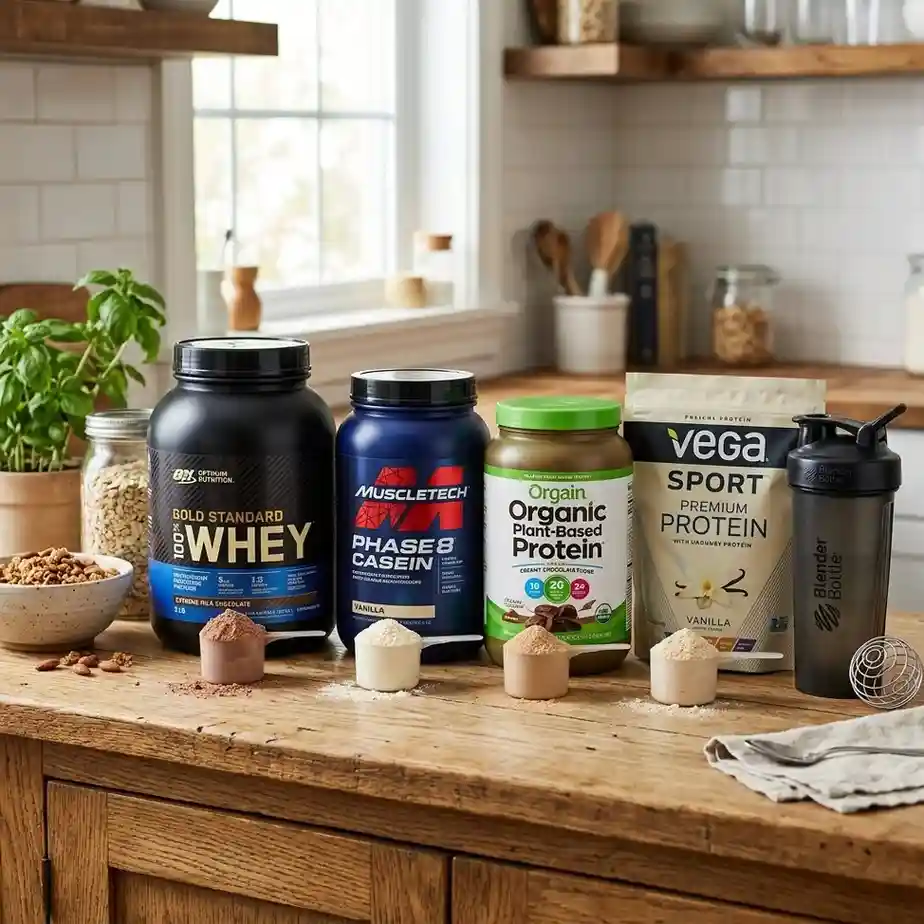
| Optimum Nutrition Gold Standard | Whey Blend | 120 | 24g | Best-in-class chocolate flavor, instant mixability |
| Dymatize ISO100 | Whey Isolate | 110 | 25g | Ultra-low carb, light and fruity flavors available |
| Orgain Organic Plant Based | Plant Blend | 150 | 21g | Creamy texture, dairy-free, certified organic |
| Legion Casein+ | Micellar Casein | 110 | 25g | Thick milkshake texture, sustained fullness for hours |
| Vital Proteins Peptides | Collagen | 70 | 18g | Completely unflavored, dissolves invisible in hot coffee |
Each of these products is recognized for ingredient transparency and consistent third-party testing. Optimum Nutrition Gold Standard is the best tasting protein powder for chocolate lovers. Dymatize ISO100 is the top low calorie protein powder for anyone on a strict macro budget.
Orgain is the best plant protein for weight loss with a grass-fed and organic edge. Legion Casein+ is the standout muscle recovery protein powder for overnight satiety. Vital Proteins Peptides is the keto-friendly, gluten-free, casein protein for weight loss alternative that disappears into any drink.
They cover the full range of supplementation strategies. From fast-digesting post-workout nutrition support to slow-release overnight recovery options.
How and When to Use Protein Powder for Maximum Fat Loss
Buying the right supplement is only step one. How you use it determines the actual outcome.
Nutrient timing matters. Stabilizing blood sugar is the first job of a morning shake. A high-protein shake first thing in the morning does exactly that. It suppresses appetite before the first craving hits and sets a positive metabolic tone for the entire day.
Alternatively, consuming post-workout nutrition within 30 minutes of finishing resistance training maximizes post-exercise recovery and enhancing workout recovery at the cellular level. Fueling resistance training correctly is what separates people who get results from people who just go through the motions.
Get creative with your recipes. You do not have to drink a plain shake from a plastic bottle forever. Blending protein shakes into meals, mixing protein powder with liquids you already love and supplementing dietary protein through food combinations keeps your plan exciting.
Protein-enhanced breakfasts, satisfying recovery beverages and dessert-like snacks all count. This is sustainable dieting. This is clean nutrition that does not feel like a diet.
- Protein Oatmeal: Stir a scoop of vanilla bean whey into your morning oats. The result is a protein-enhanced breakfast that delivers 40-plus grams of protein and sustained fullness and satiety before 9am. A filling breakfast drink that actually keeps you full.
- Fat-Loss Smoothie: Blend chocolate plant protein with half a frozen banana, a handful of spinach, cocoa powder and unsweetened almond milk. The frozen banana gives it an ice-cream-like consistency.
- A high protein low calorie meal replacement that feels like a treat. This is protein for calorie deficit diets done deliciously.
- Protein Coffee: Mix a scoop of unflavored collagen peptides or vanilla whey isolate into your iced coffee for a refreshing iced coffee flavor boost.
- You get 18 to 24 grams of additional dietary protein with zero flavor disruption. A high protein low carb shake hiding in plain sight.
Pair your supplementation strategy with resistance training. Protein powder is not magic in isolation. Lifting weights two to three times per week gives your body a reason to use those amino acids for muscle-building rather than burning them as general fuel.
Tracking calorie intake alongside your training ensures you stay in a calorie deficit while maintaining calorie control. Controlling cravings, maintaining calorie deficit and supporting metabolic function all happen more easily when your protein intake is consistent. High-protein dieting combined with resistance training is the most evidence-backed method for genuine body recomposition.
Frequently Asked Questions About Protein Powder and Weight Loss
What is the best protein powder for weight loss? Whey protein isolate and micellar casein are consistently the top choices. They deliver the highest protein-to-calorie ratio, the most effective satiety signaling and the cleanest nutritional profiles for sustainable fat loss.
What is the best protein powder for women for weight loss? Women typically respond best to clean whey isolates or pea protein blends that digest easily and avoid bloating. Aim for a low calorie protein powder for women providing around 100 calories and zero added sugars.
Natural sweeteners like stevia and monk fruit deliver a clean aftertaste. These are digestion-friendly formulas built specifically for women-focused results.
How does protein powder help with weight loss? Protein works by lowering hunger hormones and increasing fullness hormones simultaneously. It preserves calorie-burning lean muscle mass during a calorie deficit and raises your metabolic rate through the thermic effect of food.
Hormonal appetite regulation, muscle preservation and thermogenesis all work together. That is how protein shakes keep you full and support fat loss at the same time.
Can protein powder replace a full meal? You can use it as a meal replacement protein shake, but add complementary nutrients to make it complete. Blending a scoop with frozen fruit, leafy greens and a healthy fat like almond butter creates a high protein low calorie meal replacement that delivers sustained fullness and satiety. This is satisfying meal replacement nutrition that actually works.
What is the best time to take protein powder for weight loss? Morning consumption handles stabilizing blood sugar and controlling cravings throughout the day. Consuming post-workout nutrition within 30 minutes optimizes muscle recovery and protein absorption.
Both windows produce results. Morning is ideal for recovery nutrition after overnight fasting. The best window is whichever fits your routine consistently.
Are plant-based protein powders good for weight loss? Yes. Pea and brown rice protein blends offer complete amino acid delivery and often contain additional fiber that extends satiety even longer than whey. They are an excellent dairy-free protein solution for fat-loss focused nutrition.
The best protein powder with digestive enzymes often comes from plant-based brands that prioritize protein digestibility and digestive comfort.
How much protein powder should I take daily for weight loss? One to two scoops per day is the standard range for supplementing dietary protein. That yields 20 to 50 grams of supplemental protein. Adjust based on how much protein you already get from food. A total daily intake of 0.7 to 1 gram per pound of bodyweight is the general target for lean muscle retention and best protein powder for lean muscle retention results during a calorie deficit.
What are the side effects of protein powder? The most common issue is mild gas or bloating from lactose in whey protein concentrate formulas. Switching to easy to digest whey isolate or a vegan-friendly plant protein usually resolves this immediately. Look for a protein powder with no bloating as your baseline filter. Digestive enzymes added to some formulas further improve gastrointestinal tolerance.
Can protein powder cause weight gain? If you drink protein shakes on top of your normal calorie intake without exercising, the extra calories will cause weight gain. Always track your total daily caloric intake. Tracking calorie intake is non-negotiable for anyone using protein powder for fat loss. Protein powder is a supplementation tool, not a standalone solution.
What is the best protein powder for weight loss and muscle growth? Whey protein isolate is the strongest dual-purpose option. It is the best whey isolate for fat loss and muscle hypertrophy support at the same time. Its rapid digestion kinetics and complete amino acid profile make it ideal for post-exercise recovery while staying very low in fat and carbohydrates.
Which protein powder tastes the best? Optimum Nutrition Gold Standard is consistently rated the best tasting protein powder for rich chocolate flavor. Dymatize ISO100 leads in light and fruity flavors. For plant-based options, Orgain delivers a smooth and creamy texture and organic flavor profile. For a chocolate protein powder for weight loss that also tastes like a dessert-like protein shake, Gold Standard is the benchmark.
Final Word: Build a Protein Strategy You Will Actually Stick To
Losing fat requires consistency above everything else. The best protein powder for weight loss is never the one with the most impressive marketing. It is the one you actually drink every single day without dreading it. It is the enjoyable daily shake that becomes a habit, not a chore.
Pick a fast-absorbing whey isolate for post-workout recovery and muscle recovery protein powder benefits. Choose a thick micellar casein for overnight satiety. Or go with a clean dairy-free plant protein blend if bloating is your concern. Whatever you pick, the flavor and texture you enjoy will always drive better results than the powder you merely tolerate. A satisfying recovery beverage that fits your lifestyle beats a technically superior formula sitting closed in your cabinet.
Pick the type that matches your goals. Visit FlavorSuggest.co and choose a flavor you genuinely look forward to. Pair it with resistance training, protein powder for calorie deficit diets and a sustainable supplementation strategy.
References
- U.S. Department of Agriculture (USDA). (2024). Dietary Protein and Weight Management: Satiety and Metabolic Rate Tracking.
- National Institutes of Health (NIH). (2025). Thermic Effect of Macronutrients and Impact on Body Composition.
- Harvard T.H. Chan School of Public Health. (2026). Protein Supplements and Lean Mass Preservation in Caloric Deficits.